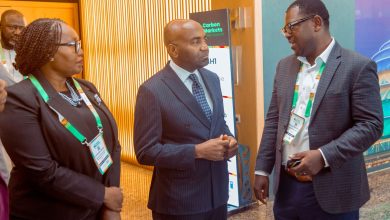
Climate Action: How SBL is leading the way in curbing climate change
DAR ES SALAAM: AS climate challenges persist , Serengeti Breweries Limited is demonstrating how businesses can be part of the solution.
As the world marks World Environment Day 2026 under the theme “Inspired by Nature. For Climate. For Our Future,” the conversation around climate change is increasingly shifting from awareness to action.
For countries like Tanzania, the urgency is difficult to ignore.
Although Tanzania contributes just 0.31 percent of global greenhouse gas emissions, it remains among the countries most vulnerable to climate-related impacts. According to the World Bank, climate change could reduce economic growth by up to 4 percent by 2050, push 2.6 million people into poverty, and displace millions of people if adequate adaptation measures are not put in place.
Across the continent, the picture is equally concerning. The World Meteorological Organization estimates that climate-related events are already costing African economies between 2 and 5 percent of GDP annually, placing growing pressure on governments, businesses, and communities alike.
The challenge is particularly significant for Tanzania, where agriculture contributes approximately 26 percent of GDP and employs around 65 percent of the workforce. As rainfall patterns become increasingly unpredictable and water resources come under pressure, the effects are being felt across entire value chains.
Against this backdrop, many experts argue that addressing climate change cannot be left to governments alone. The private sector has an important role to play in supporting environmental sustainability while strengthening economic resilience.
One company that has embedded this approach into its operations is Serengeti Breweries Limited (SBL).
Having joined the United Nations Global Compact, SBL has spent more time in integrating sustainability into its business strategy, particularly in the areas of water stewardship and sustainable agriculture.
Investing in Water Security
Water remains one of the most critical resources for both communities and industry. Recognising this, SBL has invested more than TZS 2.5 billion in community water projects across Tanzania through its Water for Life programme.
The initiative has supported access to clean and safe water for more than 2.3 million people across several regions of the country. Beyond improving public health outcomes, the projects help reduce the burden on women and children who often travel long distances in search of water and contribute to greater resilience in communities facing water stress.
Alongside community investments, the company has also worked to improve water and energy efficiency within its own operations, demonstrating that environmental sustainability and business performance can be mutually reinforcing objectives.
Building Climate-Resilient Agriculture
Agriculture forms the backbone of Tanzania’s economy and is also one of the sectors most vulnerable to climate change.
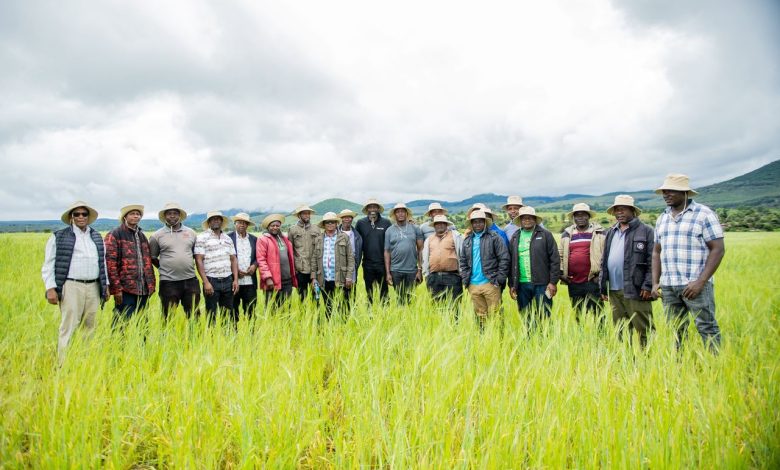
As a major purchaser of locally grown raw materials, SBL works with farmers across multiple regions of the country and continues to invest in programmes that support sustainable agricultural practices.
Through initiatives such as Shamba ni Mali, farmers receive training and support aimed at improving productivity while promoting climate-smart farming methods that enhance resilience to changing environmental conditions.
The company has also invested in developing future agricultural leaders through the Kilimo Viwanda programme, which supported young Tanzanians pursuing agricultural education and careers. Through this programme 300 youths have been trained on smart farming methods from 2020 to 2025. Coming from various regions across Tanzania, the youths are now imparting the knowledge and skills gained across the country.
These initiatives recognise that long-term business success depends on the health of the agricultural communities and ecosystems that supply critical raw materials.
A Shared Responsibility
This year’s World Environment Day observance highlights the urgent need for governments, businesses, and individuals to move past scientific warnings and take meaningful steps to protect the planet under the theme, “Inspired by Nature. For Climate. For Our Future.
It is, therefore, clear that businesses alone cannot solve the climate crisis. While many believe they have both the resources and the influence to accelerate solutions, the tackling of the climate change threat call for collective action across various stakeholders.
As World Environment Day 2026 highlights the importance of nature-based solutions, SBL’s experience demonstrates how private sector investment can contribute to environmental protection while delivering social and economic benefits.
The challenge ahead remains significant. However, as climate risks continue to grow, partnerships between governments, communities, development organisations, and businesses will become increasingly important.
For Tanzania, building a climate-resilient future will require action from all sectors. Increasingly, the private sector is showing that it can be part of that solution.