CAWM-Mweka introduces new courses to boost conservation, tourism skills
KILIMANJARO: AS global efforts to tackle climate change and conservation challenges intensify, the Moshi-based College of African Wildlife Management, Mweka (CAWM-Mweka) in Kilimanjaro has taken a major step forward by introducing new curricula designed to give graduates additional expertise in conservation.
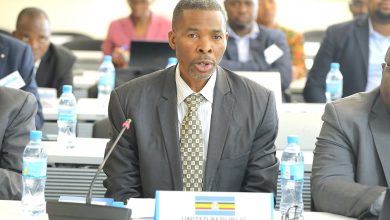
CAWM-Mweka Rector, Professor Julius Nyahongo, highlighted the development while discussing the college’s recognition as a Centre of Excellence in Wildlife Management.
“In order to provide quality training that meets contemporary needs, the College regularly reviews and updates its curricula to address emerging challenges in the wildlife and tourism sectors, with a strong focus on creating employment opportunities for our youth,” he said.
He explained that the updated curricula aim to prepare professionals capable of addressing persistent conservation challenges, including humanwildlife conflicts, controlling the spread of wildlife-borne diseases to humans and livestock, curbing illegal wildlife harvesting, mitigating climate change effects, managing invasive plants and reducing environmental pollution.
Professor Nyahongo emphasised that the college’s programmes also focus on strengthening sustainable tourism management, a key driver of Tanzania’s economic growth.
“In line with regular curriculum reviews and market demands, the College has introduced several new programmes. Starting from the 2025/2026 academic year, we began offering four new courses: Bachelor’s Degree in Environmental and Waste Management, Bachelor’s Degree in Natural Resources Management, Master’s Degree in Environmental and Waste Management and Master’s Degree in Community-Based Natural Resources Management,” he said.
ALSO READ: Tanzania writes a golden chapter at Berlin Tourism Fair
Beyond degree programmes, the College conducts short courses, research and various projects aimed at generating income and producing knowledge to address challenges in the wildlife and tourism sectors.
“During the 2024/2025 academic year, the College conducted eight short courses with 277 participants, 106 of whom came from outside Tanzania,” Prof Nyahongo noted.
Looking ahead, the Rector revealed plans to establish a driving school in collaboration with Arusha Technical College.
“The driving school will provide training for tour guides, particularly in navigating rough terrains. Students in tourism-related courses will also receive driving training as part of the College’s integrated curriculum,” he said.
Professor Nyahongo added that the driving school will enhance practical training, strengthen the effectiveness of academic programmes and prepare skilled professionals for the tourism industry.