CAG calls for key reforms
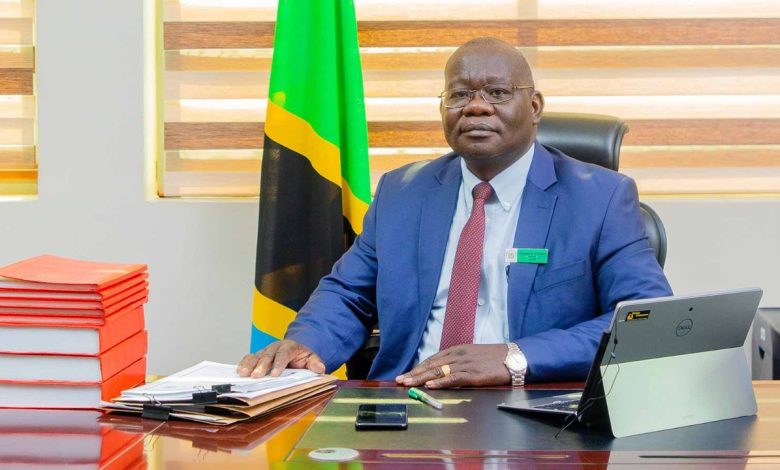
DODOMA: THE Controller and Auditor General (CAG) has issued a series of sweeping recommendations aimed at addressing persistent weaknesses in public financial management and improving the performance of government institutions, following the 2024/25 audit findings.
The summary of key recommendations was released yesterday by the National Audit Office (NAOT) through a statement issued to the media following the tabling of the Annual General Reports for the 2024/25 financial year in Parliament last Friday.
The NAOT statement aimed to inform the public that the reports are now publicly accessible for parliamentary action and citizen oversight.
Central to the report, the findings highlighted several recommendations for improvement, including the urgent need to strengthen the management of public projects and contracts, with a focus on ensuring timely implementation, adherence to quality standards and control of costs to prevent losses of public funds.
This is due to procurement flaws, weak contract management, delays, cost overruns and payments for incomplete infrastructure works, which undermine accountability and value for money, as revealed by the CAG in infrastructure development and technical audit findings.
The CAG also called for strengthened accountability and internal control systems, particularly in financial reporting, resource management and the follow-up of audit recommendations.
According to the statement, the report further recommended improving revenue collection and the management of receivables as another key priority, with emphasis placed on closer monitoring of debtors and ensuring that public institutions settle invoices on time.
The reports also recommended enhancing the efficiency of public institutions and state enterprises by ensuring investments generate value, reducing reliance on government subsidies and tightening control over operational costs.
In the social sectors, the CAG urged stronger management of health, education and water services to ensure resources are used effectively, infrastructure projects are completed on schedule and services reach citizens as intended.
The recommendations also underscored the need to improve the use and management of Information and Communication Technology (ICT) systems through better integration, reduced duplication and more reliable financial and operational data.
Additionally, the CAG stressed the importance of establishing robust systems to monitor the implementation of audit recommendations.
“It is important for all stakeholders within the accountability framework to fulfil their responsibilities in line with the principles of transparency, accountability and institutional integrity, in order to improve government performance and enhance public trust,” reads part of the statement.
In accordance with Article 143 of the Constitution of the United Republic of Tanzania of 1977, the CAG completed the audit of the government for the financial year 2024/25 and submitted the Annual General Reports to President Samia Suluhu Hassan on March 30 this year.
According to the statement, a total of 1,554 audits were conducted during the audit cycle, including 1,339 financial audits, as well as performance, compliance, forensic, real-time and systems audits.
Out of 1,339 financial audits conducted for the 2024/25 financial year, 99 per cent (1,326 auditees) received an unqualified (clean) audit opinion, with only the remaining 1 per cent receiving qualified and adverse opinions, reflecting significant weaknesses.