Bunge directs govt to address PEPMIS challenges in rural areas
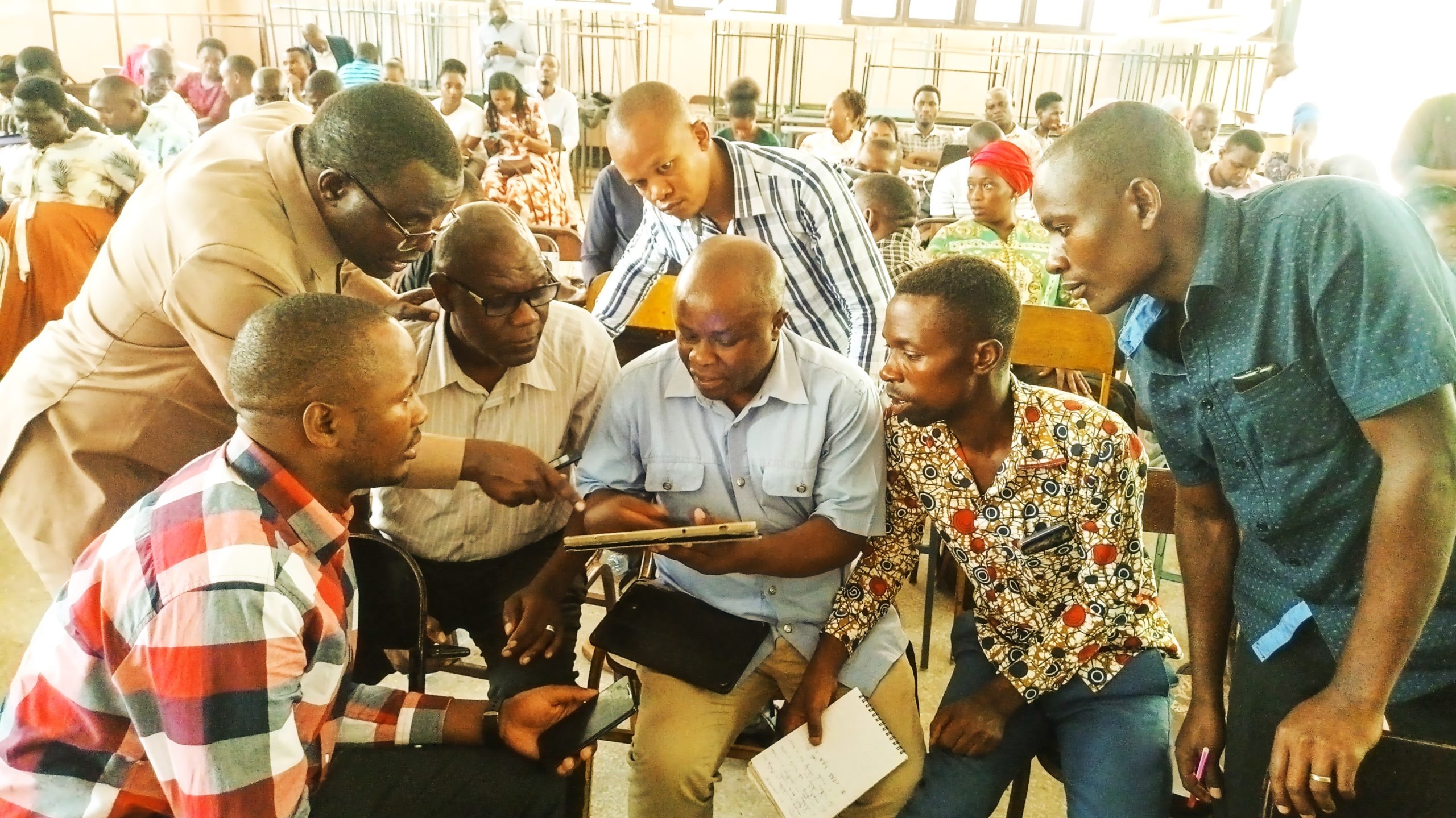
DODOMA: THE National Assembly has directed the government to resolve the challenges hindering effective use of the Public Employees’ Performance Management Information System (PEPMIS) for public servants in rural areas across the country.
The directive was issued in a resolution yesterday after Members of Parliament (MPs) deliberated on the 2024 Report presented by the Chairperson of the Parliamentary Standing Committee on Governance, Constitution and Legal Affairs Dr Joseph Mhagama.
The report covered various activities conducted between February 2024 and January 2025 by the Ministry of State in the President’s Office (Public Service Management and Good Governance), the Ministry of State in the President’s Office (Planning and Investment), the Ministry of State in the Vice-President’s Office (Union and Environment), the Ministry of State in the Prime Minister’s Office (Policy, Parliament and Coordination) and the Ministry of Constitution and Legal Affairs.
According to the legislators, the system has faced significant challenges for public servants working in rural areas due to the lack of supportive tools and infrastructure.
“The committee learned that poor internet connectivity in rural areas, difficulties in accessing the digital platform and the absence of necessary supporting tools are major obstacles,” Dr Mhagama told the House.
ALSO READ: No loss of revenue when companies change names-Minister
The MPs noted that the unfriendly environment has led to the failure of public servants to complete the required performance data, hindering the government’s ability to track and assess the performance of public employees in rural settings.
Cognisant of the unfriendly environment, the legislators said that the use of PEPMIS should be accompanied by improvements in internet services, particularly in rural areas.

Without reliable internet access, public servants cannot fully engage with the digital platform, further impeding their ability to input performance data.
In their resolution, the legislators directed the government to conduct an evaluation of the issues that arose during the system’s implementation.
It has been nearly a year since the system was introduced. Although precise data on the number of public servants in Tanzania’s rural areas is not readily available, it is estimated that a significant portion of the country’s public workforce is stationed in these areas, considering that around 62.59 per cent of Tanzania’s population lives in rural settings.
Public servants are spread across various sectors, including health, education, security, agriculture and livestock and fisheries.
The distribution of public servants in rural areas varies depending on the types of services provided in each region. Areas with healthcare facilities, schools and administrative offices typically have a higher concentration of public servants.