Building resilience: Tanzania steps up emergency preparedness through medical training
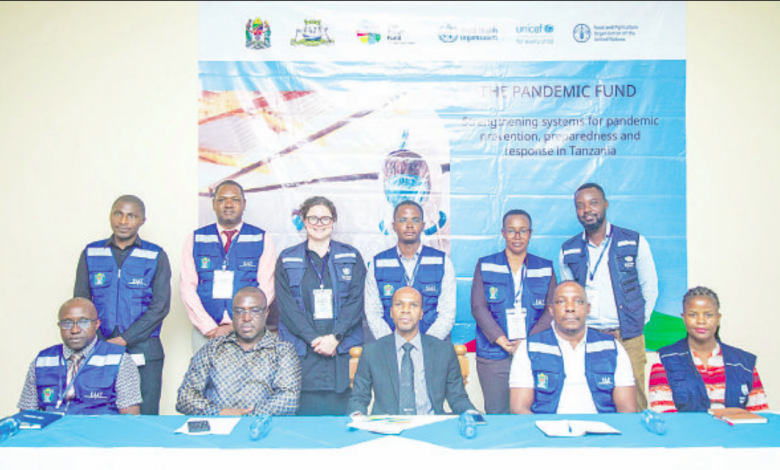
AS the world faces an increasing wave of health emergencies, from infectious disease outbreaks to climate-related disasters, Tanzania is taking decisive steps to strengthen its preparedness and response systems.
The latest move comes through the launch of a national training programme aimed at building the capacity of Emergency Medical Teams (EMTs), a critical component in saving lives during crises.
The initiative, led by the Ministry of Health-Government of united republic of Tanzania, in collaboration with the World Health Organisation and other development partners under the Pandemic Fund project, reflects a growing recognition that preparedness is no longer optional, it is essential.
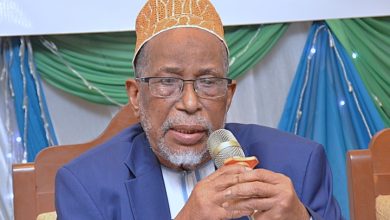
Speaking during the launch of the training in Zanzibar on March 24, 2026, Director at the Zanzibar Ministry of Health, Dr Amour Suleiman Mohamed underscored the urgency of the effort.
He noted that the 21st century has brought increasingly complex health threats, including pandemics, floods, earthquakes and the farreaching impacts of climate change.
“Tanzania is not immune to these risks,” he said, pointing to rising population movement and expanding economic activity as factors that heighten vulnerability.
“Our past experiences have revealed gaps in emergency health service delivery, particularly in rapid patient assessment and timely clinical decision-making, which can lead to preventable deaths.”
These gaps are precisely what the EMT training seeks to address.
By equipping health professionals with practical skills and standardised procedures, the programme aims to ensure that emergency responses are swift, coordinated, and aligned with international best practices.
Emergency Medical Teams are not just local response units; they are part of a global network coordinated by the WHO, designed to provide rapid, high-quality care during crises.
Their role has become even more critical in a world where emergencies are increasingly interconnected and unpredictable.
The Zanzibar training has brought together 44 health professionals from both Mainland Tanzania and Zanzibar, reflecting a unified national approach.
Participants are undergoing intensive sessions that combine theoretical discussions, case studies, and hands-on simulations to prepare them for real-world emergency scenarios.
ALSO READ: Dar receives Sudanese medical students for practical training
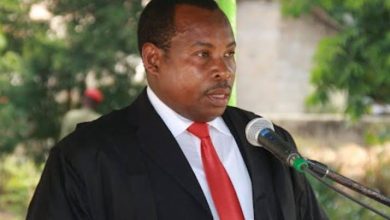
According to Joseph Hokororo, who represented the Chief Medical Officer from Mainland Tanzania, the goal is clear, to build a skilled and responsive workforce capable of acting decisively in times of crisis.
“The government expects this training to strengthen disaster response capacity and significantly reduce preventable deaths,” he said.
The emphasis on preparedness aligns closely with global health priorities. The WHO has consistently highlighted emergency preparedness as a cornerstone of resilient health systems, stressing that countries must invest in workforce training, surveillance systems, and rapid response mechanisms.
In its guidance, the organisation underscores that timely and coordinated action during emergencies can dramatically reduce mortality and long-term health impacts.
Preparedness is also embedded in the United Nations Sustainable Development Goals (SDGs), particularly Goal 3, which calls for ensuring healthy lives and promoting well-being for all.
A key target under this goal is strengthening the capacity of all countries, especially developing nations, for early warning, risk reduction, and management of national and global health risks.
The EMT initiative directly contributes to this target by enhancing Tanzania’s ability to detect, respond to, and manage emergencies effectively.
At the national level, Tanzania’s long-term development blueprint, Tanzania Development Vision 2050, also emphasises resilience and preparedness as critical pillars for sustainable growth The vision recognises that economic progress and social wellbeing depend heavily on a strong health system capable of withstanding shocks.
Investing in emergency preparedness, therefore, is not just a health priority, it is a development imperative.
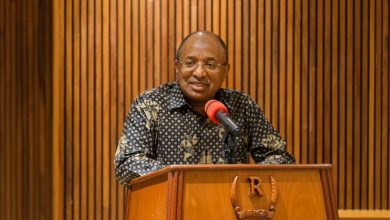
The WHO Representative, Galbert Fedjo, echoed this sentiment, noting that the EMT training marks a significant step toward strengthening both national capacity and international collaboration.
“Investing in human resources and emergency systems will save lives and better protect public health,” he said, adding that partnerships remain vital in building resilient systems that can respond to evolving threats.
Beyond technical training, the initiative also signals a broader shift in mindset, from reactive responses to proactive preparedness.
By focusing on readiness before disasters strike, Tanzania is positioning itself to minimise damage, protect communities and maintain continuity in essential health services.
As climate change intensifies and global health risks continue to evolve, such efforts are likely to become even more critical.
For Tanzania, the investment in Emergency Medical Teams represents more than a training programme, it is a strategic step toward safeguarding the health and future of its people. In a world where emergencies can strike without warning, preparedness remains the most powerful tool. And with initiatives like this, Tanzania is making it clear that it intends to be ready.