Ben Pol, Man Fongo call for social change … Deliver standout performances at Sauti za Busara
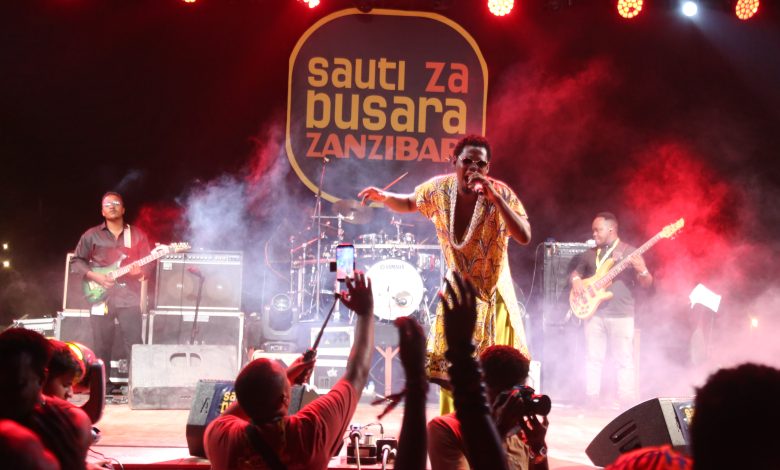
ZANZIBAR: Zanzibar came alive on the second night of Sauti za Busara as music, movement and message met on one stage, with Tanzanian artists Ben Pol and Man Fongo using their performances to call on fellow creatives to become voices for social change.
In separate interviews following their shows, Ben Pol and Man Fongo called on fellow artists to use their platforms to advocate for children’s rights, women’s rights and a more responsible future generation.
Though expressed in different voices and styles, their messages met at the same point: that artists are not only entertainers, but messengers with a duty to society. Speaking to Sunday News after his performance, Ben Pol said artists must recognise the influence they hold and the responsibility that comes with it.
“Artists need to be voices,” he said. “Through our art, we need to make an impactful contribution to society, whether it is children’s rights, speaking out for women, or the environment. We entertain, and the public wants to hear from us, and that is something special.
If we do not make ourselves loud for society, who would? Let us be a voice for change.” Man Fongo echoed the same call after closing the night with an energetic set, urging artists and the wider public not to forget where responsibility begins. “Let us not forget that we were once children,” he said.
“Every adult was once a child. If we remember that, then we understand what our responsibility is. Every girl is a mother of tomorrow, and every boy is a father of tomorrow. If we protect them, they will protect the next generation, and the one after that.” The messages landed after a night that was defined by sound, movement and connection.
Day two of Sauti za Busara unfolded as a celebration of rhythm and diversity, with performers from across the region filling the historic Stone Town venue with music that travelled easily between joy, reflection and release. Ben Pol’s performance came with a sense of closeness that drew the audience in from the opening moments.
His live delivery allowed space for the crowd to participate, and they responded by singing along, voices rising together as if rehearsed.
When Sophia began, the connection between artist and audience became unmistakable. It was not simply a performance but a shared moment, built on familiarity and mutual affection. Fans sang, swayed and reached towards the stage, holding on to every line.
The bond felt personal, as though each song was being offered directly to them. When the set reached its end, there was little sense of closure. Fifty minutes had passed, but it felt far too short. The crowd’s reaction made it clear that many would have welcomed another hour without hesitation.
ALSO READ: Music, heritage take centre stage at Sauti za Busara
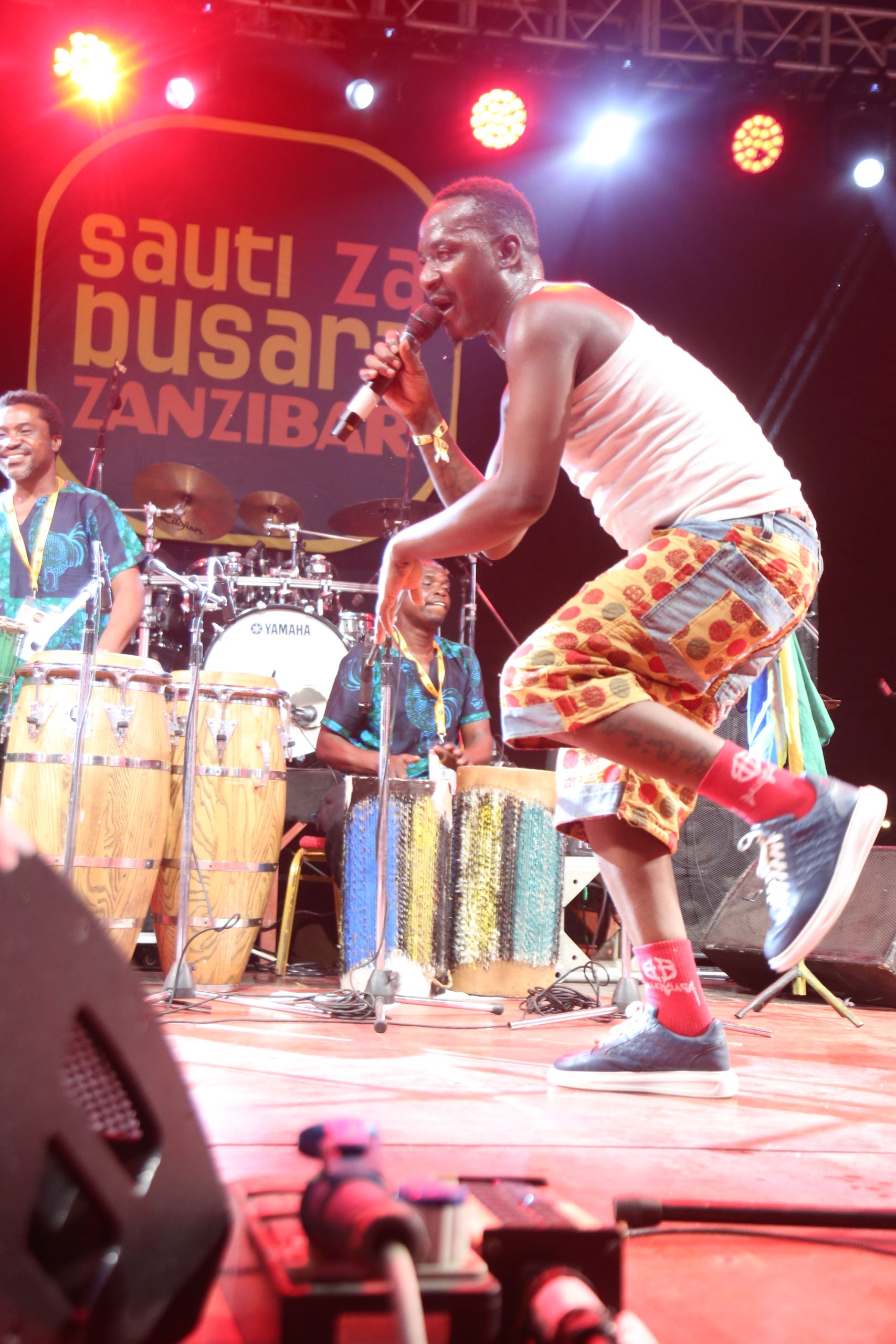
As Ben Pol exited the stage, the night shifted direction. Man Fongo arrived with a different energy, one that transformed the space almost instantly. His performance introduced Singeli to the closing slot of the evening, and with it came speed, movement and intensity.
Dancing was no longer optional. The crowd jumped, moved and followed the rhythm instinctively, responding to the sharp tempo and relentless drive of the sound. Where Ben Pol’s set had invited reflection and emotional connection, Man Fongo’s demanded physical response.
The audience gave it willingly. Bodies moved in waves, feet lifted from the ground, and the space became a collective motion of sound and sweat. It was a striking contrast, yet one that felt natural within the flow of the festival. As the final notes faded, there was a sense that the night had not ended but transformed. The energy remained high, lingering in conversations and movement long after the stage lights dimmed.
It felt, as some in the crowd remarked, like the beginning of something new rather than the close of a programme. Together, Ben Pol and Man Fongo made day two of Sauti za Busara memorable not only for its music but for its meaning.
Their performances entertained, but their words challenged. In a festival known for celebrating African music, the call was clear: artists have the power to shape conversation, protect the vulnerable and help build a better future if they choose to speak.