

Ashura: A Day That Transcends Geography, Ethnicity, and Religion
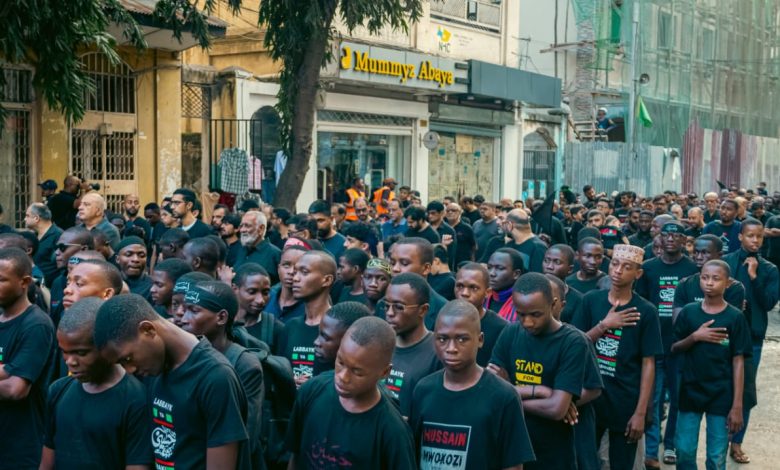
DAR ES SALAAM: In the past week in cities, towns and villages across Tanzania and worldwide one may have noticed processions, religious commemorations and free distribution of food and water to the less fortunate. Many have participated in charitable initiatives, including launching donations for free eye camps and blood donation drives, extending philanthropy to individuals regardless of race, creed, or colour.
All this was to commemorate Ashura and to mark the tragedy of Karbala, the sacrifice of Imam Husain ibn Ali, the grandson of Prophet Muhammad. This event took place 1346 years ago. The commemoration aims to unite humanity through the story of a man who stood resolutely against overwhelming power, refusing to surrender his principles. Imam Husain chose dignity over submission, truth over expediency, and justice over fear.
While power can compel obedience, it cannot command legitimacy. Weapons can kill, but they cannot extinguish principles and ideas. Political authority may dominate temporarily, but moral authority endures across generations. This is why the message of Karbala continues to resonate throughout the ages. It has never belonged exclusively to a single community; rather, it transcends geography, ethnicity, and religion. Wherever people struggle against oppression, seek justice, or defend their dignity, the spirit of Karbala finds renewed expression.
Today, our world is marred by endless wars, often characterized by double standards in global politics. Some nations endure brutal intimidation simply for their desire to live lives of freedom and dignity, resisting the encroachment of those seeking power, often to exploit their resources. Despite technological advancements and the formation of numerous organizations aimed at protecting people and nations, the message of Ashura remains strikingly relevant.
In the past two years, there have been over 250,000 direct battle-related deaths worldwide, with the figure exceeding half a million when accounting for the indirect effects of conflict. According to data from the United Nations Refugee Agency (UNHCR), over 129 million people were forcibly displaced globally by the end of 2024, due to conflict, violence, persecution, or serious human rights abuses. International relations too frequently prioritize calculations of hard power over commitments to justice, echoing the same moral dilemmas that led to the martyrdom at Karbala.
Resistance, as taught by Imam Husain, is not an ideology of war; rather, it is the determination to remain steadfast when circumstances urge submission. At its core, resistance is a moral concept before it becomes a political one. The purpose of resistance is not endless confrontation, but to preserve justice, safeguard dignity, and create conditions in which peace is founded on mutual respect rather than domination.
ALSO READ: Young voices, digital power and the ethics of information in Tanzania
Sustainable peace cannot be imposed through force alone; it emerges when justice becomes the foundation of international relations. The historical event of Karbala has inspired both Muslims and non-Muslims alike. It is commemorated reverberating with people of diverse traditions who recognize Imam Husain as a universal symbol of resilience, courage and sacrifice.
Prominent figures, including Mohandas Gandhi and Nelson Mandela, drew inspiration from Imam Husain’s example. Gandhi famously stated, “I learned from Husain how to achieve victory while being oppressed.” Mandela credited the memory of Imam Husain of providing him strength during his imprisonment. Rajendra Prasad, the first President of India, remarked that “the sacrifice of Imam Husain is not limited to one country or nation, but is the heritage of all mankind.”
Each generation faces new forms of oppression and tests of conscience. While circumstances may evolve, the moral choice remains the same: whether to submit to injustice or stand for principle. This enduring relevance is why Ashura continues to be commemorated for centuries, carrying forth a message of peace.




References:
Legiano Casino Echtgeld sites.fastspring.com