

Arusha adopts roadmap for stronger primary healthcare

ARUSHA: THE Second International Primary Health Care Conference (IPHC 2026) has adopted the 10-point Arusha Call for Action, urging African governments to increase domestic health financing, strengthen primary health care systems and accelerate progress towards universal health coverage across the continent.
The resolutions were adopted at the close of the conference over the weekend in Arusha, where delegates from across Africa called for sustained political leadership to ensure primary health care reforms translate into quality services for citizens.
Minister of State in the Prime Minister’s Office (Regional Administration and Local Government -PMORALG), Professor Riziki Shemdoe, said governments should prioritise stronger implementation and monitoring of primary health care and universal health coverage policies to ensure they deliver tangible results.
In a speech read on his behalf by Deputy Minister in the office, Dr Festo Dugange, Prof Shemdoe said countries should strengthen supply chains for health commodities, invest in training health workers and improve service quality at health facilities.
He also called for increased health sector funding from domestic revenues, equal access to quality health services and investment in interoperable information systems that link clinical services, health insurance, disease surveillance and commodity management.
“We need to strengthen community participation in planning, implementing and monitoring health services to ensure that services provided meet the actual needs of citizens, while continuing to strengthen local production of health commodities and their supply chains,” he said.
Vice-Chairperson of the Parliamentary Standing Committee on Health and HIV/ AIDS Affairs, Dr Zeyana Hamid, said Parliament will continue to work with the government, development partners and civil society organisations to ensure limited health resources are directed to areas with the greatest impact on patients.
She said the conference availed an opportunity to lawmakers to engage directly with experts and better understand challenges facing primary health care systems.
“While new technologies can help improve health services, they may create additional burdens for healthcare providers if they are not properly designed and financed,” Dr Zeyana cautioned.
ALSO READ: Leap for primary healthcare
Representing the Permanent Secretary in the Ministry of Health, Director of Emergency and Disaster Management, Dr Erasto Sylvanus, described primary health care as the foundation of a resilient, equitable and sustainable health system.
He said the conference underscored the importance of strengthening primary health care because it is the first point of contact between people and the health system.
“When we talk about prevention, that is where we can do prevention. When we talk about health threats, that is where they can be detected early. And when we talk about timely action, that is the right place to start those actions,” he said.
Dr Sylvanus added that strengthening primary health care requires more than building health facilities, saying countries also need an adequate and motivated health workforce capable of delivering quality services to communities.
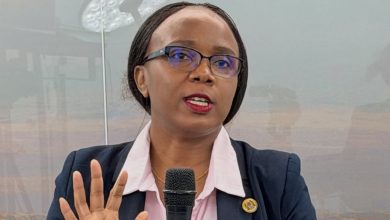
Chief Executive Officer of the East, Central and Southern Africa Health Community (ECSA-HC), Dr Ntuli Kapologwe, pledged continued support for countries in the region through enhanced coordination, health diplomacy, specialised training and greater involvement of young people in strengthening primary health care.
Among the conference resolutions was a call for Heads of State and Government to provide sustained political leadership, recognising that strong commitment is essential for successful primary health care reforms and achieving universal health coverage across Africa.



Thank you for posting this informative article. The content is easy to read and very helpful. I appreciate your effort in sharing knowledge.
I appreciate the insightful content shared here. The explanations are easy to follow and provide useful knowledge for readers. Thank you for consistently posting high-quality information that adds value and supports learning.