Analysts call for dialogue, rule of law
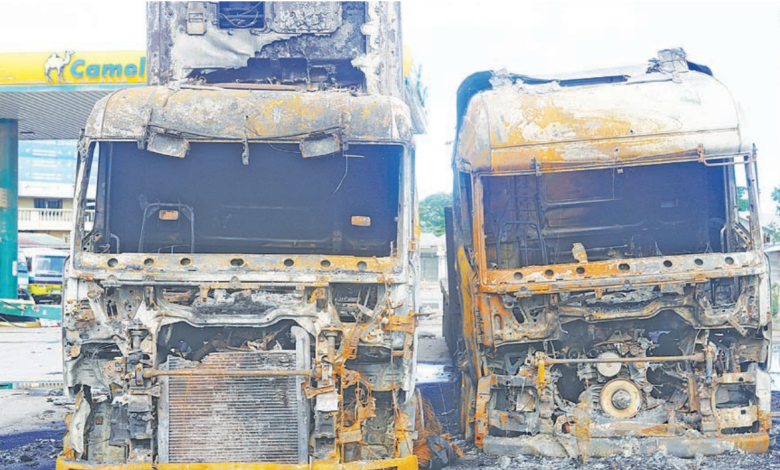
DAR ES SALAAM: COMMUNITY leaders and socio-political analysts have called on Tanzanians to prioritise dialogue, lawful political engagement and respect for national institutions in order to prevent a recurrence of the unrest witnessed on October 29.
They have stressed that a renewed commitment to peace, lawful political activism and adherence to the rule of law is essential for safeguarding national unity and fostering sustainable development.
Speaking to the ‘Daily News’ recently, the leaders and analysts warned that unrest undermines both social cohesion and economic progress, arguing that violence and disorder ultimately harm ordinary citizens rather than advancing political or social goals.
They urged political actors, civil society, the youth and citizens at large to draw lessons from past events and choose peaceful and responsible approaches to resolving differences.
National Coordinator of the Tanzania Human Rights Defenders Coalition (THRDC), Mr Onesmo Olengurumwa, said the country should avoid a repeat of the violence and instability experienced on October 29, noting that lasting solutions can only be achieved through dialogue, accountability and respect for the law.
Mr Olengurumwa emphasised that all political parties, whether in government or in opposition, have a crucial role to play in ensuring peace and political stability.
He said democracy thrives when political competition is guided by rules, mutual respect and shared national values.
“Those in power have a responsibility to strengthen systems, uphold justice and create inclusive platforms for dialogue. Opposition parties, on the other hand, have a duty to demand rights through legal means and guide their supporters to follow the law,” he said.
He added: “Political parties are not enemies; they are competitors with different ideas who must coexist for the benefit of the nation. When competition turns into hostility and violence, the country as a whole suffers.”
Mr Olengurumwa also stressed that Tanzania’s Constitution recognises the right of citizens to demonstrate and express their views, but said these rights must be exercised within the framework of the law, peacefully and responsibly.
ALSO READ: PM tells leaders to adhere to rule of law
“Global experience shows that when protests are properly led, well organised and responsibly managed, they promote accountability and good governance without disturbing peace or threatening lives and property,” he said.
He cautioned that claiming rights does not grant permission to destroy property or harm others, insisting that rights must go hand-in-hand with responsibility.
“Citizens must respect the law and the rights of others. Violence, looting or destruction of infrastructure only deepens divisions and undermines the very freedoms people seek to protect,” he noted.
Mr Olengurumwa further highlighted the importance of addressing challenges facing young people, observing that the youth were significantly involved in the October 29 protests.
He said issues such as unemployment, limited economic opportunities and feelings of marginalisation directly affect national stability and therefore require serious and sustained attention from policymakers.
“Young people need hope, opportunities and a sense of inclusion. If their concerns are ignored, frustration can easily be manipulated for destructive ends,” he said.
He added that returning to the negotiation table and building politics based on reconciliation, mutual respect and competition of ideas would help to strengthen national systems, safeguard peace and reduce recurring conflicts that hinder development.
“If we build a culture of dialogue and friendship in politics, we will establish strong institutions and reduce cycles of tension that slow down national progress,” Mr Olengurumwa said.
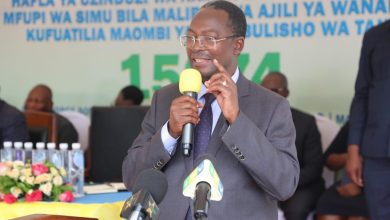
Political analyst Mr Hamiduni Maliseli also called on political parties, activists and young people to firmly embrace peaceful and lawful political engagement.
He said political parties, as legally registered national institutions, bear a primary responsibility to reflect on their conduct and ensure they are never associated with violence.
While acknowledging that parties have a legitimate right to demand reforms, accountability and transparency, Mr Maliseli stressed that such demands must always be pursued through non-violent, professional and lawful means.
“Political parties are national institutions registered under the law. They must clearly distance themselves from all forms of violence. Destroying public infrastructure or disrupting livelihoods only harms ordinary citizens who pay for those assets through their taxes,” he said.
He argued that violence undermines political legitimacy, which he said is built through ideas, public trust and respect for the law, not through anger, threats or destruction.
“History has shown that sustainable political change is achieved through persuasion, organisation and moral authority, not through fear,” Mr Maliseli said.
He pointed to historical examples, including India’s independence struggle under Mahatma Gandhi, to illustrate how disciplined, peaceful movements can achieve profound and lasting change without plunging societies into chaos.
Mr Maliseli also cautioned against political messaging that relies on fear, such as warnings that the country could descend into civil war if certain voices are not heard.
Such narratives, he said, erode public confidence, polarise society and replace constructive debate with intimidation.
He warned that even when violence is not officially organised by political parties, its occurrence can still damage their public image and weaken public trust.
This, he said, makes it more difficult for political movements to sustain long-term support among citizens.
A key concern raised by Mr Maliseli was the mobilisation of young people without adequate civic education and ideological preparation.
He said the youth must be properly educated on the goals, principles and consequences of political action.
“Protests without clear leadership, clear objectives and a strong commitment to non-violence can easily degenerate into chaos and social division,” he warned.
He stressed that all demonstrations, including those demanding basic rights, must remain peaceful and orderly, cautioning that failure to uphold non-violence risks endangering national unity and long-term stability.
Historian Dr Francis Daudi echoed similar sentiments, saying that electionrelated violence, which has occurred in many parts of the world, does not offer lasting solutions but instead creates long-term negative consequences for societies.
Dr Daudi explained that violence during elections disrupts citizens’ ability to participate fully in productive economic activities, leading to economic decline from the household level to the national economy as a whole.
“When people are afraid, businesses close, transport is disrupted and daily economic activities come to a halt,” he said.
He added that one of the most painful impacts of political violence is the loss of life, noting that in many cases those who die are breadwinners for their families and communities.
“This leaves families vulnerable to poverty and dependency, while also weakening the workforce and social fabric of the nation,” Dr Daudi said.
Social affairs analyst Mr Thomas Kibwana also said that societal challenges cannot be resolved through violence and must instead be addressed peacefully to allow the country to move forward without inflicting economic damage.
He emphasised the need for citizens and leaders to reflect on constructive ways of resolving disputes, noting that problems arising during elections in some areas have previously had negative impacts on transport infrastructure and public services.
According to Mr Kibwana, such situations place additional strain on the national economy, as public funds are diverted to repairing damaged infrastructure instead of financing development projects.
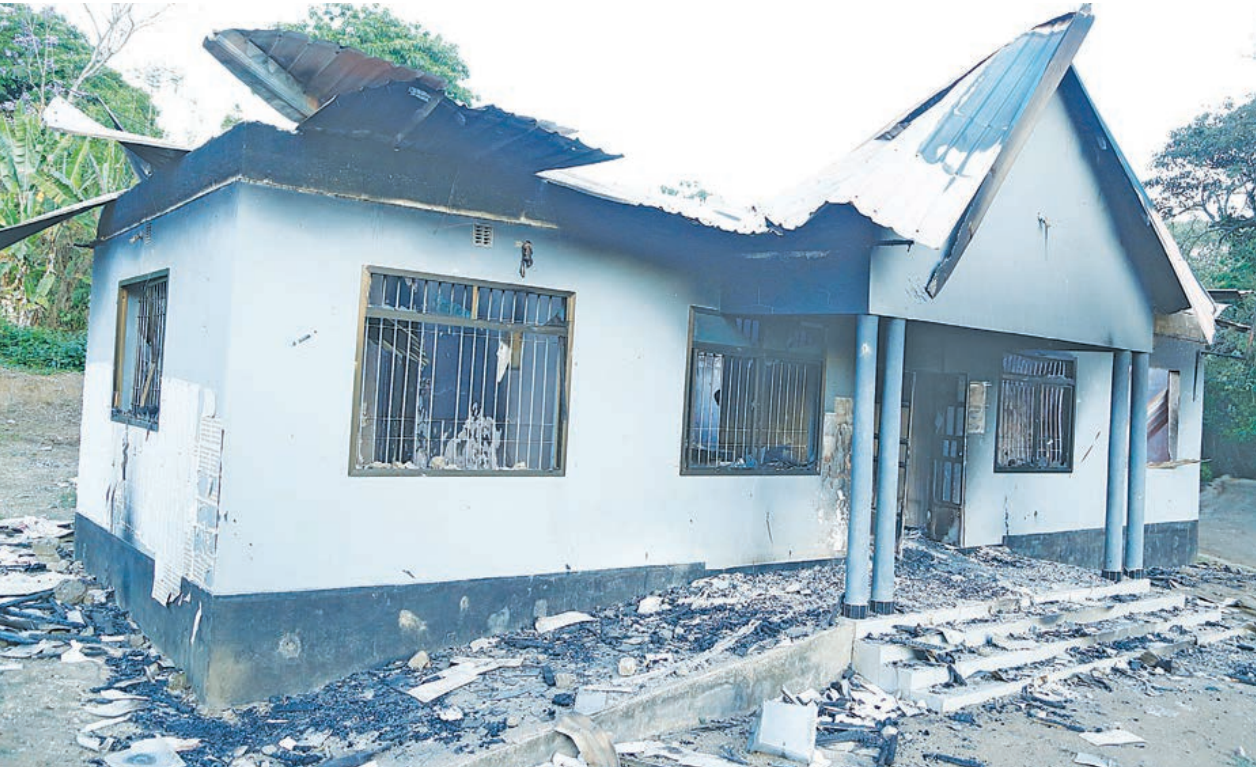
“When roads, vehicles or public buildings are destroyed, it is taxpayers’ money that is used to repair them. That money could have been used for schools, hospitals or water projects,” he said.
He added that disruptions to transport systems force citizens to spend excessive time commuting instead of engaging in productive activities, weakening the economy from the individual level to the national level.
The analysts collectively urged Tanzanians to learn from past experiences and protect the country’s longstanding peace, noting that stability remains a critical foundation for democracy, development and social wellbeing.
They called on all stakeholders; government, political parties, civil society, religious leaders and citizens to promote dialogue, tolerance and respect for the law as the country continues to navigate its democratic journey