AI, QR codes set to transform key sectors
ARUSHA: THE Ministry of Education, Science and Technology has pledged to accelerate the formulation of a national policy on Artificial Intelligence (AI) to spur technological innovation and enhance digital literacy among young Tanzanians.
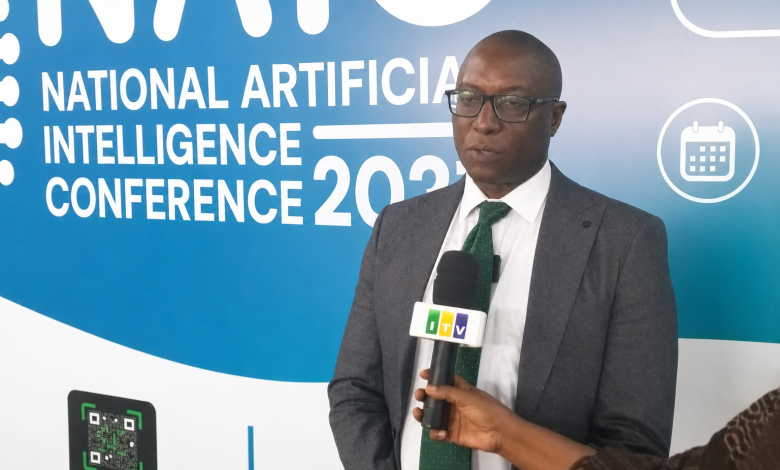
The commitment was made by the ministry’s Assistant Director of Science and Technology, Dr Harun Makandi, who opened the National Artificial Intelligence Conference (NAIC 2026) in Arusha yesterday on behalf of the sector Minister, Professor Adolf Mkenda.
Dr Makandi said the AI policy development process is currently at the draft stage and that the ministry is committed to fast-tracking it in order to establish a comprehensive policy framework.
“We want to strengthen the capacity of young people and educational institutions in the use of various modern technologies to enhance skills, knowledge and nurture innovation among the youth,” said Dr Makandi. He added that the conference is expected to generate recommendations that will contribute to the formulation of a robust policy on the use of AI and QR Codes.
“Through this conference, we also expect to receive recommendations that will help us develop a strong policy framework on the use of Artificial Intelligence and QR Codes,” he said. Dr Makandi noted that AI policy frameworks in Tanzania and the wider East African region are still underdeveloped, although the country has made progress in policies related to infrastructure and education.
“That is why last year there was a presentation of AI guidelines, and now we want the process to move forward so that it contributes to a strong policy framework for the use of AI and QR Codes,” he said. He said the government’s objective is to strengthen the capacity of youth and educational institutions in the use of modern technologies to promote competence, knowledge and innovation.
According to him, AI and QR Codes are increasingly important for the growth of sectors such as agriculture, transport, health and education.
Dr Makandi said AI can help farmers use appropriate resources, such as crop-specific fertilisers, thereby improving agricultural productivity.
He also noted that QR Codes enable agricultural products and other goods to be accurately tracked by customers from different locations before making purchasing decisions.
“In education, artificial intelligence can be used as a teaching tool to improve learning and the delivery of education, enable faster learning and facilitate education beyond the classroom. When used ethically, AI can help people acquire reliable and quality knowledge,” he said.
He further urged conference participants to develop strategies for using AI to create Kiswahili language models aimed at expanding the language’s use, integrating it with other languages, and promoting Kiswahili in Tanzania, across Africa and beyond, while also helping address key national development challenges.
Dr Makandi emphasised that combining AI with human intelligence can unlock major achievements and therefore called for the ethical use of the technology.
He warned that while QR Codes and AI are important tools for development, failure to observe ethical standards could create significant social challenges.
Meanwhile, the Chief Executive Officer of Scan Code Tanzania, Faustine Mgimba, said QR Codes and AI can help Tanzanians improve service delivery, expand business opportunities and enhance operational efficiency in both public and private institutions.
He said the world is undergoing a major digital transformation, with AI and QR Code technologies reshaping lifestyles and activities ranging from commerce to financial services and online business.
“Tanzania has a great opportunity to become a hub of innovation and technology in Africa because it has created a conducive environment that stimulates technological growth for the benefit of society as a whole,” said Mgimba.
He said the conference was organised to provide a national platform for exchanging knowledge and experiences, building the capacity of youth and professionals, strengthening national collaboration, and discussing policies, systems and practical applications of QR Codes and AI.
“That is why this conference has been organised to create a national platform for exchanging knowledge and experiences, build the capacity of youth and professionals, strengthen national cooperation, and discuss policies, systems and the use of QR Codes and AI,” he added.