CAG urges AI use in graft fight

ZANZIBAR: AFRICAN public audit institutions have been urged to adopt Artificial Intelligence (AI), data science and cybersecurity tools to strengthen the detection of fraud, financial irregularities and misuse of public funds.
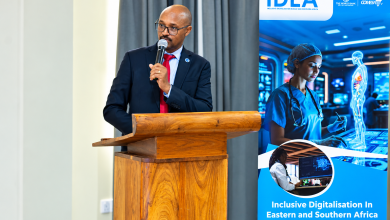
The call was made on Monday by Tanzania’s Controller and Auditor General (CAG), Charles Kichere, during the opening of a two-week training programme at the Indian Institute of Technology (IIT) Madras, Zanzibar Branch.
The training brought together representatives of Supreme Audit Institutions (SAIs) from several African countries. Kichere said the rapid shift by governments to digital systems has made advanced technologies essential in modern public auditing.
He stressed that technological transformation is already underway, with governments relying on digital platforms for revenue collection, service delivery and management of public resources. He noted that AI has the potential to significantly transform auditing by enabling auditors to analyse entire sets of transactions rather than relying on small samples, as is common in traditional methods.
“AI-powered systems can help detect duplicate payments, links between supplier accounts and government employees, and other suspicious transactions,” he said.
Kichere added that such systems can also identify invoices deliberately placed below approval thresholds, a possible sign of attempts to bypass procurement procedures.
He explained that these patterns are often difficult to detect manually but can be identified more effectively using technology capable of analysing large volumes of data. He further said data science can help auditors examine spending trends across ministries, financial years and supply chains.
For instance, procurement data may reveal cases where a single supplier wins an unusually high number of tenders, suggesting possible unfair competition. Payroll analysis can also help detect ghost workers. Kichere said technology can also assist in identifying areas where public revenue is lost or diverted.
ALSO READ: Dar RC unveils bold plan to ease city congestion
However, he cautioned that increasing digitisation exposes government systems to cybersecurity risks. He warned that systems used for tax collection, payroll and procurement have become potential targets for cyberattacks if not adequately protected.
He urged auditors to build capacity to assess system controls, monitor information use and detect cybersecurity threats. Kichere commended India’s CAG and IIT Madras for organising the training, describing it as a key step in strengthening the capacity of audit institutions to respond to technological changes.
He also encouraged participants to use the training to enhance regional cooperation in applying modern audit technologies. Zanzibar’s CAG, Dr Othman Abass Ali, said AI, data science and cybersecurity are critical in improving efficiency, transparency and accountability in public auditing.
He stressed that while SAIs should embrace emerging technologies, they must also remain mindful of associated risks and ensure that their application upholds transparency, accountability and good governance.
“The advancement of technology must not compromise integrity, which remains the foundation of public auditing,” he said. Indian High Commissioner to Tanzania Bishwadip Dey said the training has brought together senior auditors from countries including Eswatini, Egypt, Algeria, Liberia, The Gambia, Tunisia, Tanzania Mainland, Zanzibar, Mauritius and Morocco.
He said participants are expected to gain skills in data analysis, fraud detection and protection of public resources, while addressing challenges linked to digital systems and cybersecurity