AI-powered healthcare: How Muhimbili is using smart technology
DAR ES SALAAM: ARTIFICIAL Intelligence (AI) is increasingly transforming healthcare systems worldwide, helping medical professionals diagnose diseases, monitor patients and improve the quality of care.
From detecting illnesses earlier to supporting health workers with real-time data, AI is becoming an important tool in modern medicine.
The World Health Organisation (WHO) says AI has the potential to revolutionise healthcare by addressing workforce shortages, improving access to quality services and supporting healthcare workers in making timely and informed decisions.
According to the organisation, AI can strengthen disease diagnosis and screening, assist with clinical care, improve health research and support health system management.
WHO further notes that AI is already being used in some countries to improve the speed and accuracy of disease detection, support patient monitoring, strengthen outbreak response systems and improve healthcare delivery.
The organisation believes that when implemented responsibly, AI can help countries build more efficient, equitable and patient-centred health systems.
However, WHO emphasises that AI should complement rather than replace healthcare professionals. The organisation has issued guidance urging countries to ensure that AI technologies are safe, ethical, transparent and designed with patient welfare at the centre.
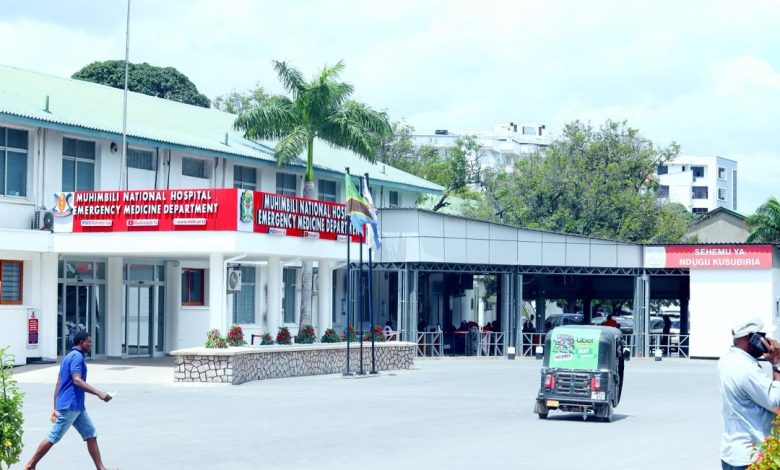
In Tanzania, one of the institutions embracing this technological shift is the Muhimbili National Hospital (MNH), which has introduced an AI-powered patient monitoring system aimed at improving nursing services and patient safety.
Speaking on the innovation, Redempta Matindi, Director of Nursing and Midwifery Services at Muhimbili National Hospital, said the hospital has begun using advanced technology powered by artificial intelligence to assist nurses in monitoring patients’ conditions continuously and accurately.
She said the system tracks key vital signs, including blood pressure, heart rate, respiratory rate, body temperature and blood oxygen levels.
These indicators provide important information about a patient’s health status and can help medical teams identify complications before they become life-threatening.
“The technology has been introduced to support nurses in monitoring patients more effectively and ensuring that any changes in a patient’s condition are detected at the earliest possible stage,” she said.
According to Nurse Matindi, the innovation is built around what the hospital calls a “Smart Bed.” While the bed appears similar to an ordinary hospital bed, it contains specialised sensors installed beneath the mattress.
The sensors detect tiny vibrations naturally produced by the body’s organs and physiological systems. These micro-vibrations are captured and transmitted to a data analyser, which processes the information before forwarding it to a cloud-based platform.
Once processed, the information becomes available on digital screens located in hospital wards as well as in a central monitoring centre.
Matindi explained that the system enables nurses to view a patient’s vital signs in real time without relying solely on routine manual measurements.
“Through the monitoring screens, nurses can instantly see a patient’s blood pressure, heart rate, oxygen saturation and body temperature. This allows healthcare providers to identify changes in a patient’s condition much faster,”she said.
The innovation is expected to improve efficiency in nursing care by reducing the time required for routine observations while allowing nurses to focus more on direct patient care.
One of the system’s most significant advantages is its ability to generate immediate alerts whenever a patient’s condition begins to deteriorate.
To support this function, Muhimbili has established a dedicated supervision team operating 24 hours a day and seven days a week. The team continuously monitors data from patients connected to the system across different wards.
According to Matindi, when the technology detects abnormal readings, alerts are generated within seconds and communicated directly to the responsible nurse.
“If a patient’s blood pressure becomes unstable, oxygen levels drop or body temperature rises beyond the acceptable range, the nurse responsible receives an immediate notification and can quickly assess the patient,” she explained.
The supervision team also follows up to ensure that appropriate interventions have been carried out after an alert is issued, helping to strengthen accountability and improve response times.
Healthcare experts worldwide believe that technologies capable of continuously monitoring patients could play a critical role in reducing preventable complications and deaths.
WHO has said that AIpowered solutions can help bridge healthcare gaps, particularly in settings facing shortages of healthcare workers and growing patient numbers.
ALSO READ: MPs hail plan for new Muhimbili National Hospital
As Tanzania continues to modernise its healthcare system, Muhimbili’s adoption of AI-powered monitoring technology demonstrates how digital innovation can support healthcare professionals, improve patient safety and enhance the quality of medical services.
The initiative also reflects a broader global trend in which hospitals are increasingly using artificial intelligence not only to diagnose diseases but also to monitor patients in real time, predict health risks and support faster clinical decision-making.
With proper governance, training and investment, experts believe AI could become one of the most powerful tools in strengthening healthcare systems and improving patient outcomes in the years ahead.