Agribusiness training draws 100 youths in Central Zone
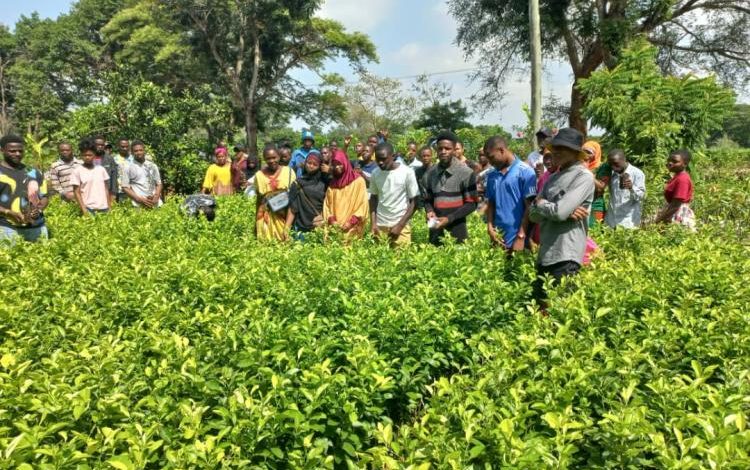
DODOMA: A TOTAL of 100 young innovators from Dodoma and Singida have been selected from 729 applicants to undergo intensive entrepreneurship and agribusiness training under the Vijana Kilimo Biashara (VKB) project, aimed at creating jobs and modernising Tanzania’s food systems.
Implemented by Rikolto under the supervision of the World Food Programme (WFP) and funded by the Mastercard Foundation, the project seeks to nurture youth-led agribusiness enterprises capable of addressing food system challenges, while creating employment opportunities.
Speaking during a training session for 52 beneficiaries from Chamwino, Kondoa, Kongwa and Mpwapwa districts, Project Agribusiness Officer Lillian Mbilinyi said the selected youth emerged from a highly competitive process.
“Out of 729 applicants from Dodoma and Singida, we selected the best 100. Sixty are from Dodoma and 40 from Singida. We are preparing them to become self-employed, create jobs for other young people and serve as role models in agribusiness,” she said.
Ms Mbilinyi said the VKB project targets 26,000 beneficiaries in the two regions, with 90 per cent being youths and 70 per cent of them women, underlining its commitment to youth employment and women’s economic empowerment.
She said the programme encourages greater participation of young women in agriculture and agribusiness, to improve productivity, household incomes and community development.
ALSO READ: SUA produces first agribusiness specialists
AgriHub Training Facilitator Mr Emmanuel Seni said participants are receiving practical training in business formalisation, business plan development, record keeping, financial management, marketing, branding, packaging and value addition.
“We want young people to move away from informal businesses. Once they formalise their enterprises, they will be better placed to access finance, operate competitively and contribute to government revenue,” he said.
Mr Seni said the programme also links beneficiaries with financial institutions to improve access to capital after developing viable business plans.
He added that participants from previous cohorts had secured new markets and business contracts after exhibiting at the Nanenane Agricultural Exhibition and the Dar es Salaam International Trade Fair (Sabasaba), enabling them to expand production and improve product quality.
According to him, the project also connects young entrepreneurs with key government and regulatory institutions, including the Business Registrations and Licensing Agency (BRELA), Tanzania Revenue Authority (TRA), Tanzania Bureau of Standards (TBS), Tanzania Official Seed Certification Institute (TOSCI), the Tanzania Fertiliser Regulatory Authority and CAMARTEC to facilitate business registration, certification and adoption of modern technologies.