Agri-value chain vital
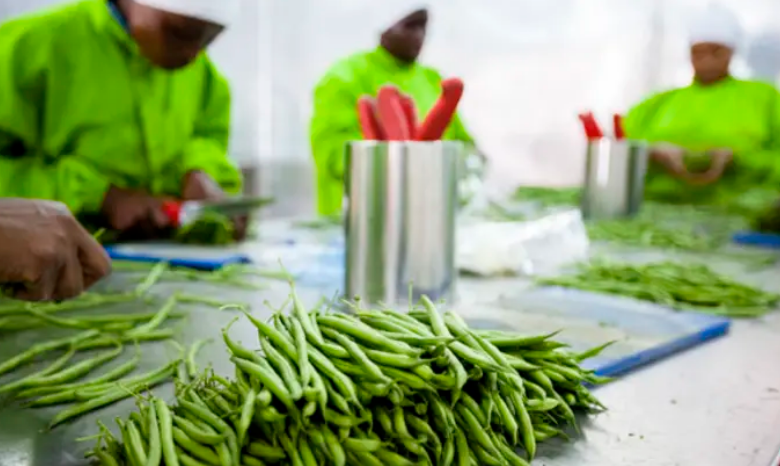
DAR ES SALAAM: AS the country gears towards General Election 2025, it already has in place the Tanzania Development Vision 2050, with, among others a stress in agri-value chain.
Yesterday experts were quoted as stressing on that aspect of agri-value chain, outlining key strategic priorities for achieving Tanzania’s Vision 2050 and calling on both the government and private sector to take bold action.
Tanzania Development Vision 2050 is a comprehensive roadmap aiming to transform Tanzania into a prosperous, just, inclusive and self-reliant nation with a high-income economy by 2050, targeting a 1 trillion US dollars and 7,000 US dollars per capita income.
Key pillars include structural transformation towards a knowledge-based, industrialised and export-oriented economy, significant human capital development, digital advancement and economic diversification with increased private sector participation.
The vision emphasises unity, dignity, rights and freedoms for its citizens and it is informed by lessons learned from previous visions and a participatory process involving civil society, the private sector and academia.
Among the top recommendations from the experts are expanding irrigation systems, boosting investment in agro-processing industries and improving access to capital for farmers through strengthened agricultural banks and cooperatives.
The vision is great and recommendations from experts are great. As for the agri-value chain. Agri-value chain is the sequence of activities and actors that take an agricultural product from its initial production on the farm to its final consumption, with value added at each stage through processes like storage, processing, packaging and distribution.
It is pertinent to note that key stakeholders include input providers, farmers, processors, transporters, traders and retailers and while traditional chains are often local and market-based, modern chains emphasise vertical coordination, standards and serve broader national and global markets.
All actors should join hands to realise the agri-value chain is realised in all key stages, such as input supply, where suppliers have to provide essential inputs like seeds, fertilisers and equipment to farmers.
On the production front, farmers should be active and on right path in cultivating crops and raising livestock. Another thing to look into is post-harvest activities that include harvesting, drying, storage and initial handling of the product. Post-harvest loss should be controlled or avoided.
ALSO READ: DIRA 2050: Agri-value chain stressed
We have service providers that are logistics persons or companies, marketers, distributors and other service providers. Stakeholders do not end there, for we have traders and retailers.
These are intermediaries who buy, sell and distribute the products to consumers. If we put hands together, we are going to realise agri-value chain and enhance the Tanzania Development Vision 2050. Let us work hard on it.