Africa50 pushes for mobilisation of domestic capital to finance infrastructure projects
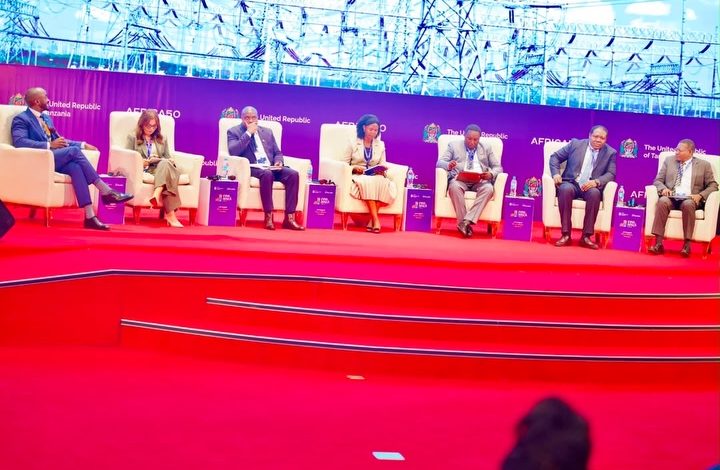
DAR ES SALAAM: AFRICAN nations have been urged to strengthen the mobilisation of domestic capital to finance infrastructure projects as part of efforts to reduce dependence on external funding, while improving the investment climate, deepening capital markets and enhancing cooperation among the continent’s financial institutions.
The call was made during a high-level panel discussion titled “Champions of Change: Conceived by Africans, Led by Africans,” held as part of the ongoing Africa50 Annual General Shareholders Meeting and Africa Infrastructure Forum at the Julius Nyerere International Convention Centre (JNICC) in Dar es Salaam.
The session was moderated by Africa50 Chief Executive Officer Alain Ebobissé, who underscored the importance of African-led financing solutions in accelerating the continent’s infrastructure development agenda.
Panellists observed that Africa’s infrastructure gap is driven not only by limited financial resources but also by a shortage of bankable projects, persistent perceptions of high investment risk and underdeveloped capital markets in several countries.
They said addressing these constraints would require governments and development partners to improve project preparation, strengthen regulatory frameworks and create an enabling environment capable of attracting both domestic and international investors.
ALSO READ: Africa50 notes success in capital mobilization, infrastructure projects over past decade
The participants also called for closer collaboration among commercial banks, pension funds, insurance companies, investment funds and development finance institutions to increase the volume of domestic capital channelled into strategic infrastructure projects with long-term economic benefits.
According to the speakers, stronger regional cooperation and harmonised investment policies would help reduce investment risks, improve investor confidence and unlock greater private sector participation in infrastructure financing.
They further noted that expanding domestic investment would enable African countries to make better use of their savings and financial resources to fund critical infrastructure, enhance economic competitiveness, stimulate growth across productive sectors and create more employment opportunities.
The forum forms part of broader efforts by African governments and financial institutions to identify sustainable financing models capable of narrowing the continent’s infrastructure deficit while promoting inclusive economic development and greater financial self-reliance.