Africa must move from promises to production
EGYPT: AFRICA has no shortage of policies, strategies, development plans or regional agreements. What the continent urgently needs is something far more difficult: Implementation.
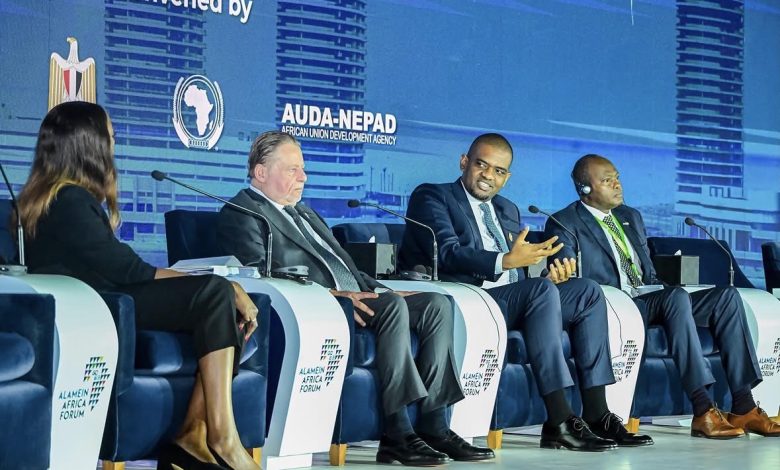
That was the central message from Tanzania at the Alamein-Africa Business Forum in Egypt, where Vice-President Mr Deogratius Ndejembi called on African countries to move beyond declarations and turn their ambitious development frameworks into tangible economic results.
The message could not be more timely. For decades, Africa has spoken about regional integration, industrialisation, intra-African trade and the sustainable exploitation of its natural resources.
Yet, the continent continues to export enormous quantities of raw materials while importing finished products made from those same resources.
This is not sustainable. Africa possesses minerals critical to the global energy transition, vast agricultural land, enormous energy potential, a youthful population and one of the world’s fastest-growing consumer markets.
Yet, these advantages will remain largely theoretical unless countries build the infrastructure, industries and institutions needed to convert them into productive wealth.
Tanzania’s experience offers an important example.
The Julius Nyerere Hydropower Project, (JNHPP) with a generation capacity of 2,115 megawatts, demonstrates the scale of infrastructure investment required to support industrialisation.
Reliable and affordable electricity is not merely a social service; it is the foundation upon which factories, businesses, digital services and modern economies are built.
Dira 2050 also recognises the importance of expanding production, increasing the use of natural gas and renewable energy and strengthening productive capacity.
But infrastructure alone will not transform Africa.
ALSO READ: Ndejembi: Africa must accelerate intergration
Governments must create conditions that encourage private investors to put their capital into productive ventures that create jobs, increase output and add value to local resources.
Equally important is the need to strengthen African markets for African products.
The continent cannot achieve meaningful economic independence while businesses face unnecessary barriers to trading with neighbouring countries, while infrastructure links remain inadequate and while capital continues to flow more easily outside Africa than within it.
The call by African Union Chairperson Évariste Ndayishimiye for stronger intra-African trade and investment therefore deserves urgent attention.
So too does the warning from business leader Aliko Dangote that Africa must accelerate industrialisation and stop exporting raw materials only to import finished goods.
The continent’s economic transformation must ultimately be measured not by the number of policies adopted, but by factories built, jobs created, goods produced, trade expanded and incomes increased.
Africa does not need another generation of unimplemented promises.
It needs political will, effective institutions, regional cooperation and investment that converts its extraordinary natural and human resources into productive economic power.
The opportunity is before us. The priority now must be to act.