

Africa faces rising hidden toll of water deaths
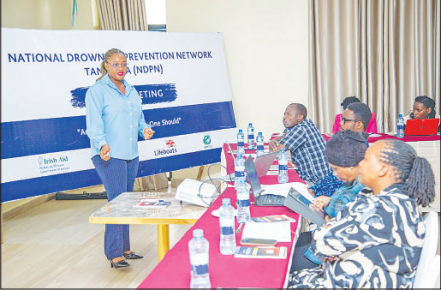
MWANZA: THE water that sustains Africa is the same water that quietly takes lives. Across the continent’s vast coastlines, lakes, and rivers, boats leave the shore at sunrise carrying men, women, and children whose livelihoods depend entirely on what the day’s waters provide.
By sunset, uncertainty often sets in for families waiting ashore. Not every boat returns. Not every child playing near water is found in time. Behind this routine of daily survival lies a persistent and devastating reality: drowning continues to claim lives across Africa in silence and largely preventable circumstances.
Drowning remains one of the most overlooked public health threats on the continent. It is also among the most preventable causes of death worldwide, affecting both children and adults and leaving deep social, economic, and health consequences in its wake.
Beyond the immediate loss of life, it disrupts families, weakens communities, and slows national development.
Economically, drowning often removes productive adults from the workforce. When breadwinners die at sea, in rivers, or in flooded areas, families lose their primary source of income. This pushes households further into poverty and increases dependence on already stretched social support systems.
According to the World Health Organization (WHO), drowning is the third leading cause of unintentional injury-related deaths globally, accounting for about seven percent of all such deaths. The WHO further emphasizes the importance of recognizing drowning as a serious but preventable public health issue that requires stronger visibility and action.
Globally, children are the most affected group. The highest drowning rates occur among children aged one to four, followed by those aged five to nine.
It is also among the top five causes of death for people aged one to fourteen in at least 48 countries, including Australia, Bangladesh, China, and the United States. In Tanzania, this reality was recently discussed during a workshop convened by the National Drowning Prevention Network Tanzania (NDPN) in Dodoma.
The network brings together civil society organizations working to coordinate drowning prevention efforts in the country. The discussions went beyond sympathy and focused on structural responsibility. Participants asked a central question: what must African nations do to decisively address drowning across the continent?
The responses were practical and policy-driven, with a shared belief that fragmented efforts are no longer enough.
A key recommendation was that African countries urgently ratify global drowning prevention conventions. Participants stressed that ratification would require governments to align national systems with international standards on safety, surveillance, reporting, and prevention.
Mr Francis Rogers noted that when drowning is treated as an unfortunate accident rather than a preventable public health issue, policy action remains weak. However, when it is formally recognized as preventable, governments are compelled to respond more decisively.
He added that for families who lose breadwinners to capsized boats or sudden floods, such commitments are not symbolic diplomatic actions but potential life-saving protections. He further stressed the importance of sustained public awareness. In many communities, drowning is still viewed as fate rather than a preventable outcome.
Yet factors such as poor swimming ability, lack of life jackets, unsafe boats, alcohol consumption during water activities, and sudden weather changes are all preventable risks. Without awareness, prevention efforts struggle to take root. Participants emphasized the need for continuous messaging through schools, media, religious institutions, and community organizations.
The Chairperson of NDPN, Mrs AngelMercy Baruti, called for stronger commitment to public awareness. She said understanding that drowning is often silent and rapid can help communities become more alert and proactive. Awareness, she noted, changes behavior and reduces fatalism.
Former Director General of the Tanzania Fisheries Research Institute (TAFIRI) and current Projects Administrator at the Tanzania Tuna Fishery National Alliance (TUNA), Dr Benjamin Ngatunga, highlighted the importance of regional cooperation.
He emphasized that drowning patterns differ across inland lakes, floodprone settlements, coastal fishing zones, and urban transport routes. However, successful interventions in one country are often not shared with others.
Dr Ngatunga called for structured data exchange and collaborative platforms to allow countries to learn from one another and avoid duplication of effort.
He further noted that regional blocs such as the East African Community (EAC) and the Southern African Development Community (SADC) have a key role to play in integrating drowning prevention into broader public health and disaster risk management frameworks. He explained that water systems, storms, and currents do not respect national borders.
Acoordinated regional approach could harmonize safety standards, strengthen cross-border rescue systems, and elevate drowning prevention on political agendas. He also urged African countries to develop clear policies, laws, and regulations specifically addressing drowning prevention.
Without legal frameworks, implementation remains inconsistent and reactive. Such frameworks, he said, should include safety standards for small vessels, structured data systems, emergency response protocols, and integration of drowning prevention into national health planning. When policies are absent, responsibility becomes unclear.
When laws exist, accountability improves. Dr Ngatunga emphasized that the goal is not to eliminate interaction with water but to improve safety systems. Africa’s waters will continue to support livelihoods, transport, and culture, but drowning can be reduced through coordinated systems.
The Program Manager from Tanzania Rural Health Movement, Mr Augustino Mhanga, stressed the importance of a coordinated national strategy.
ALSO READ: Outlook on BoT MPC amid US-Iran conflict delay decision April 2026
He recommended water safety education in primary schools, swimming and survival training for children, strict enforcement of life jacket use, and clear warning signs in high-risk areas such as rivers, dams, and lakes.
He also highlighted the role of caregivers, especially those responsible for young children at home. Community awareness programs should emphasize constant supervision and safe water storage practices. He warned that even small amounts of water in buckets, basins, or bathtubs can cause fatal drowning incidents in children.
At health facilities, particularly within Reproductive and Child Health services, mothers and pregnant women should receive regular education on drowning risks during antenatal and postnatal visits.
Mr Mhanga also called for stronger emergency systems, including first aid and CPR training for community members, functional emergency hotlines, rescue equipment in health facilities, and improved coordination between communities and health services.
From Blue Economy Aquaculture Tanzania, Mrs Betty Massanja said the central issue is no longer whether drowning can be reduced, but whether existing solutions will be implemented. She noted that policies, frameworks, and technical expertise already exist. The real challenge, she said, is whether African countries will move drowning prevention from the margins to the center of public health priorities.
Water will always be part of life, but whether it continues to take preventable lives depends on decisions made beyond the shoreline. Senior Fisheries Officer Ms Grace Kakama, presenting on marine fisheries and drowning, noted that Tanzania’s coastline stretches about 1,424 kilometers.
Fishing is largely small-scale, involving traditional boats operated by paddles or small engines. The sector supports thousands of households and is vital for food security. However, while fish resources are managed to some extent, fisher safety remains weak.
Many fishers cannot swim and lack survival-atsea training. Panic during accidents often turns survivable situations into fatalities. She also noted that drowning discussions often focus on men, yet women such as seaweed farmers and shellfish collectors also face significant risks.
These women work in tidal zones exposed to sudden water changes, slippery surfaces, and isolation, often without swimming skills. Because their work is informal, incidents are frequently underreported. She further highlighted unsafe vessels, many of which lack life jackets, radios, GPS systems, or emergency communication tools.
Life jackets are often seen as unnecessary or too costly, yet they are critical for survival in emergencies. In many cases, the absence of organized search and rescue systems leads to delayed response times, turning accidents into fatalities.
The Advocacy Officer from the Environmental Management and Economic Development Organization (EMEDO), Ms Mary Francis, described the annual workshop as an important platform for reflection and planning.
The two-day session reviewed NDPN activities in 2025, assessed progress on the National Multisectoral Drowning Prevention Strategy, and developed priorities for 2026.
It also included planning for World Drowning Prevention Day, World Fisheries Day, and strengthening the NDPN Media Action Plan. Participants also discussed the possibility of holding quarterly regional symposia to strengthen coordination and advocacy efforts moving forward.a




Perfectly indited written content, thanks for information. “Necessity is the mother of taking chances.” by Mark Twain.
I’ve been surfing online more than 3 hours today, yet I never found any interesting article like yours. It is pretty worth enough for me. Personally, if all site owners and bloggers made good content as you did, the web will be a lot more useful than ever before.
I’ve been surfing online greater than three hours these days, yet I by no means found any interesting article like yours. It’s beautiful price enough for me. In my opinion, if all webmasters and bloggers made excellent content as you probably did, the web shall be a lot more helpful than ever before. “It’s all right to have butterflies in your stomach. Just get them to fly in formation.” by Dr. Rob Gilbert.
Does your blog have a contact page? I’m having trouble locating it but, I’d like to send you an email. I’ve got some ideas for your blog you might be interested in hearing. Either way, great blog and I look forward to seeing it improve over time.
I discovered your blog site on google and check a few of your early posts. Continue to keep up the very good operate. I just additional up your RSS feed to my MSN News Reader. Seeking forward to reading more from you later on!…
You are my intake, I own few blogs and sometimes run out from to post : (.
What i do not understood is actually how you’re no longer really a lot more well-preferred than you may be right now. You’re so intelligent. You understand therefore significantly in the case of this subject, made me individually imagine it from numerous varied angles. Its like men and women are not fascinated until it is something to do with Woman gaga! Your individual stuffs nice. Always maintain it up!
Hello.This post was extremely interesting, especially because I was browsing for thoughts on this topic last Thursday.
you have a great blog here! would you like to make some invite posts on my blog?
Glad to be one of many visitors on this awing internet site : D.
It’s actually a cool and useful piece of information. I am happy that you just shared this useful info with us. Please stay us informed like this. Thanks for sharing.
Hello just wanted to give you a quick heads up and let you know a few of the pictures aren’t loading properly. I’m not sure why but I think its a linking issue. I’ve tried it in two different internet browsers and both show the same outcome.
F*ckin’ remarkable things here. I’m very glad to see your article. Thanks a lot and i am looking forward to contact you. Will you kindly drop me a mail?
Hi there, You have performed a great job. I will definitely digg it and individually recommend to my friends. I’m confident they’ll be benefited from this website.
Good day! I simply want to give a huge thumbs up for the great info you’ve right here on this post. I will be coming again to your blog for extra soon.
Thankyou for helping out, good info .
As soon as I detected this site I went on reddit to share some of the love with them.
What i do not realize is actually how you are not actually much more well-liked than you may be right now. You are so intelligent. You realize therefore considerably relating to this subject, made me personally consider it from a lot of varied angles. Its like men and women aren’t fascinated unless it’s one thing to do with Lady gaga! Your own stuffs outstanding. Always maintain it up!
whoah this blog is wonderful i love reading your posts. Keep up the good work! You know, many people are searching around for this information, you can help them greatly.
I am thankful that I observed this weblog, exactly the right info that I was searching for! .
Greetings! Very helpful advice on this article! It is the little changes that make the biggest changes. Thanks a lot for sharing!
I’ll right away grab your rss feed as I can not find your email subscription link or e-newsletter service. Do you have any? Kindly let me know in order that I could subscribe. Thanks.
Hello my friend! I want to say that this article is amazing, great written and include almost all significant infos. I would like to look more posts like this.
Youre so cool! I dont suppose Ive learn something like this before. So good to seek out anyone with some unique ideas on this subject. realy thanks for starting this up. this web site is something that’s needed on the web, someone with a bit originality. helpful job for bringing one thing new to the web!
Hey! This post could not be written any better! Reading through this post reminds me of my good old room mate! He always kept chatting about this. I will forward this article to him. Pretty sure he will have a good read. Many thanks for sharing!
Nice post. I learn something more challenging on different blogs everyday. It will always be stimulating to read content from other writers and practice a little something from their store. I’d prefer to use some with the content on my blog whether you don’t mind. Natually I’ll give you a link on your web blog. Thanks for sharing.
I love the efforts you have put in this, appreciate it for all the great blog posts.
You have observed very interesting points! ps nice internet site. “The length of a film should be directly related to the endurance of the human bladder.” by Alfred Hitchcock.
You need to participate in a contest for among the finest blogs on the web. I will recommend this website!
Greetings from Colorado! I’m bored at work so I decided to check out your blog on my iphone during lunch break. I enjoy the knowledge you present here and can’t wait to take a look when I get home. I’m amazed at how fast your blog loaded on my cell phone .. I’m not even using WIFI, just 3G .. Anyhow, fantastic blog!
I have been browsing online more than three hours as of late, but I never found any attention-grabbing article like yours. It’s lovely value sufficient for me. Personally, if all webmasters and bloggers made excellent content material as you probably did, the internet shall be a lot more helpful than ever before.
This is a very good tips especially to those new to blogosphere, brief and accurate information… Thanks for sharing this one. A must read article.
Hi there, You’ve done a fantastic job. I’ll certainly digg it and personally suggest to my friends. I’m sure they’ll be benefited from this website.
What i don’t realize is in reality how you are no longer actually a lot more neatly-preferred than you may be right now. You’re so intelligent. You recognize therefore considerably when it comes to this subject, produced me personally imagine it from a lot of numerous angles. Its like men and women don’t seem to be fascinated except it’s something to do with Woman gaga! Your own stuffs excellent. Always care for it up!
I have been absent for a while, but now I remember why I used to love this blog. Thanks, I’ll try and check back more often. How frequently you update your web site?
A person essentially help to make seriously articles I would state. This is the first time I frequented your website page and thus far? I amazed with the research you made to make this particular publish extraordinary. Fantastic job!
Hello There. I discovered your blog the use of msn. That is an extremely smartly written article. I will make sure to bookmark it and come back to learn extra of your useful info. Thank you for the post. I will certainly return.
I was recommended this web site by means of my cousin. I am not certain whether this put up is written by means of him as nobody else understand such precise approximately my trouble. You are amazing! Thank you!
Hey There. I discovered your blog the use of msn. That is an extremely well written article. I’ll be sure to bookmark it and come back to learn extra of your helpful info. Thank you for the post. I will certainly return.
You are my inspiration , I own few blogs and very sporadically run out from to brand.
Thanks , I have just been searching for info about this topic for ages and yours is the greatest I’ve discovered till now. But, what about the bottom line? Are you sure about the source?
Hello my family member! I wish to say that this post is amazing, great written and include approximately all significant infos. I’d like to peer extra posts like this.
Thank you for sharing with us, I conceive this website really stands out :D.
Very good blog! Do you have any suggestions for aspiring writers? I’m hoping to start my own blog soon but I’m a little lost on everything. Would you recommend starting with a free platform like WordPress or go for a paid option? There are so many choices out there that I’m totally overwhelmed .. Any suggestions? Kudos!
An attention-grabbing discussion is value comment. I think that it’s best to write more on this matter, it won’t be a taboo subject however generally people are not enough to talk on such topics. To the next. Cheers
Hi, i feel that i noticed you visited my weblog thus i got here to “go back the choose”.I am trying to find things to enhance my web site!I suppose its ok to use some of your concepts!!
This is the proper weblog for anybody who needs to seek out out about this topic. You notice a lot its almost laborious to argue with you (not that I really would need…HaHa). You undoubtedly put a brand new spin on a topic thats been written about for years. Nice stuff, just great!
Keep up the excellent work, I read few posts on this web site and I believe that your weblog is very interesting and holds bands of fantastic info .
Can I just say what a relief to find someone who actually knows what theyre talking about on the internet. You definitely know how to bring an issue to light and make it important. More people need to read this and understand this side of the story. I cant believe youre not more popular because you definitely have the gift.
fantastic points altogether, you simply won a new reader. What may you suggest about your publish that you just made some days ago? Any certain?
Thank you for another magnificent post. Where else could anyone get that kind of information in such a perfect approach of writing? I have a presentation subsequent week, and I’m on the search for such information.
Youre so cool! I dont suppose Ive read something like this before. So nice to search out somebody with some authentic ideas on this subject. realy thank you for beginning this up. this website is something that’s wanted on the internet, somebody with a little originality. useful job for bringing one thing new to the internet!
Hi, i feel that i saw you visited my web site so i came to “go back the prefer”.I am trying to in finding things to improve my web site!I suppose its ok to use some of your ideas!!
Rattling nice style and wonderful subject material, very little else we require :D.
Great post. I used to be checking continuously this blog and I’m impressed! Very useful info particularly the remaining section 🙂 I care for such info a lot. I used to be looking for this certain information for a very long time. Thank you and best of luck.
Great line up. We will be linking to this great article on our site. Keep up the good writing.
Rattling instructive and good complex body part of written content, now that’s user genial (:.
I do agree with all the ideas you’ve presented in your post. They are very convincing and will certainly work. Still, the posts are too short for starters. Could you please extend them a bit from next time? Thanks for the post.
Magnificent web site. Plenty of helpful info here. I am sending it to some pals ans additionally sharing in delicious. And certainly, thank you for your effort!
Hello There. I found your blog using msn. This is an extremely well written article. I will be sure to bookmark it and return to read more of your useful info. Thanks for the post. I will definitely comeback.
Yeah bookmaking this wasn’t a speculative decision great post! .
I was wondering if you ever thought of changing the structure of your site? Its very well written; I love what youve got to say. But maybe you could a little more in the way of content so people could connect with it better. Youve got an awful lot of text for only having 1 or 2 images. Maybe you could space it out better?
What i don’t understood is in truth how you are no longer really much more smartly-liked than you may be right now. You’re so intelligent. You understand therefore significantly with regards to this topic, made me in my opinion imagine it from a lot of various angles. Its like women and men aren’t involved until it is something to do with Lady gaga! Your personal stuffs outstanding. All the time take care of it up!
I loved as much as you will receive carried out right here. The sketch is tasteful, your authored subject matter stylish. nonetheless, you command get got an impatience over that you wish be delivering the following. unwell unquestionably come further formerly again since exactly the same nearly a lot often inside case you shield this increase.
Oh my goodness! an incredible article dude. Thanks Nevertheless I’m experiencing subject with ur rss . Don’t know why Unable to subscribe to it. Is there anybody getting equivalent rss downside? Anybody who is aware of kindly respond. Thnkx
Yay google is my king aided me to find this great internet site! .
I like the helpful info you supply on your articles. I’ll bookmark your blog and check again here frequently. I’m somewhat certain I’ll be told lots of new stuff right here! Good luck for the next!
I’ve learn several just right stuff here. Certainly price bookmarking for revisiting. I wonder how a lot attempt you put to make the sort of magnificent informative web site.
I like this post, enjoyed this one thanks for putting up.
You really make it seem so easy with your presentation but I find this topic to be really something which I think I would never understand. It seems too complicated and extremely broad for me. I’m looking forward for your next post, I’ll try to get the hang of it!
You are my intake, I own few blogs and occasionally run out from to brand : (.
Great work! This is the type of info that should be shared around the web. Shame on Google for not positioning this post higher! Come on over and visit my site . Thanks =)
Very interesting information!Perfect just what I was looking for!
Thanks for the blog post, can I set it up so I receive an alert email whenever you write a new post?
I have been absent for a while, but now I remember why I used to love this site. Thanks, I’ll try and check back more often. How frequently you update your site?
We absolutely love your blog and find most of your post’s to be just what I’m looking for. Does one offer guest writers to write content for you personally? I wouldn’t mind publishing a post or elaborating on a lot of the subjects you write with regards to here. Again, awesome web site!
I am lucky that I discovered this website, precisely the right information that I was looking for! .
Would you be considering exchanging links?
My spouse and I stumbled over here different page and thought I may as well check things out. I like what I see so now i’m following you. Look forward to looking over your web page yet again.
I saw a lot of website but I think this one has something special in it in it
Wow! This can be one particular of the most beneficial blogs We have ever arrive across on this subject. Basically Fantastic. I am also a specialist in this topic so I can understand your effort.
Hi there, You have done a great job. I will certainly digg it and in my opinion suggest to my friends. I’m confident they will be benefited from this website.
I truly wanted to write down a message to be able to appreciate you for all of the fantastic tips and tricks you are giving out at this website. My time consuming internet investigation has at the end been rewarded with sensible facts to go over with my family and friends. I ‘d repeat that most of us site visitors are undoubtedly endowed to live in a remarkable place with very many outstanding people with very beneficial suggestions. I feel very much fortunate to have seen your entire webpage and look forward to really more enjoyable minutes reading here. Thanks a lot once again for a lot of things.
Very interesting subject, thank you for posting.
I would like to thnkx for the efforts you have put in writing this blog. I am hoping the same high-grade blog post from you in the upcoming as well. In fact your creative writing abilities has inspired me to get my own blog now. Really the blogging is spreading its wings quickly. Your write up is a good example of it.
Great write-up, I am normal visitor of one’s web site, maintain up the excellent operate, and It is going to be a regular visitor for a long time.
Great post, you have pointed out some wonderful points, I too conceive this s a very superb website.
It’s in point of fact a great and helpful piece of information. I’m happy that you just shared this helpful info with us. Please stay us informed like this. Thank you for sharing.
Thank you a lot for sharing this with all folks you really know what you are talking approximately! Bookmarked. Please additionally talk over with my web site =). We will have a link alternate arrangement among us!
I do agree with all of the ideas you’ve presented in your post. They’re very convincing and will definitely work. Still, the posts are too short for newbies. Could you please extend them a bit from next time? Thanks for the post.
제주에서 가라오케를 알아볼 때는 위치와 이용 구성을 함께 확인하면 좋습니다. 제주가라오케 안내에 방문 전에 확인할 항목들이 정리돼 있습니다.
Saved as a favorite, I really like your blog!
I got good info from your blog
I like what you guys are up too. Such intelligent work and reporting! Keep up the excellent works guys I have incorporated you guys to my blogroll. I think it will improve the value of my website :).
Thanks for some other informative website. Where else may just I get that type of info written in such a perfect manner? I’ve a challenge that I’m simply now working on, and I have been on the look out for such information.
Hi, Neat post. There’s a problem with your website in internet explorer, would check this… IE still is the market leader and a huge portion of people will miss your fantastic writing due to this problem.
hey there and thank you in your information – I’ve certainly picked up something new from proper here. I did on the other hand experience a few technical points using this site, since I experienced to reload the web site a lot of occasions previous to I may just get it to load correctly. I were pondering if your hosting is OK? Not that I’m complaining, but slow loading instances instances will often have an effect on your placement in google and could damage your quality rating if ads and ***********|advertising|advertising|advertising and *********** with Adwords. Anyway I’m adding this RSS to my email and could glance out for much extra of your respective exciting content. Make sure you replace this once more soon..
Some genuinely wonderful info , Sword lily I detected this. “The distance between insanity and genius is measured only by success.” by James Bond Tomorrow Never Dies.
whoah this blog is wonderful i really like studying your articles. Keep up the great work! You understand, lots of individuals are searching round for this info, you could aid them greatly.
Hey very cool web site!! Guy .. Excellent .. Superb .. I will bookmark your blog and take the feeds additionally…I am happy to find numerous useful info right here in the put up, we need work out more strategies in this regard, thank you for sharing.
It’s actually a nice and helpful piece of info. I’m glad that you shared this useful information with us. Please keep us up to date like this. Thanks for sharing.
I’m no longer certain where you’re getting your info, however great topic. I must spend some time learning much more or figuring out more. Thank you for excellent info I used to be on the lookout for this information for my mission.
I happen to be writing to let you understand what a fabulous experience my cousin’s child undergone going through your webblog. She realized a wide variety of things, most notably what it’s like to possess a great coaching heart to have most people quite simply master specified very confusing subject matter. You undoubtedly did more than people’s expected results. Thank you for producing those effective, healthy, informative and also unique tips on the topic to Lizeth.
An interesting discussion is worth comment. I think that you should write more on this topic, it might not be a taboo subject but generally people are not enough to speak on such topics. To the next. Cheers
Thank you for helping out, wonderful info. “I have witnessed the softening of the hardest of hearts by a simple smile.” by Goldie Hawn.
What’s Happening i am new to this, I stumbled upon this I have found It positively useful and it has helped me out loads. I hope to contribute & help other users like its aided me. Great job.
I used to be more than happy to seek out this internet-site.I needed to thanks on your time for this glorious learn!! I definitely enjoying each little bit of it and I’ve you bookmarked to check out new stuff you blog post.
fantastic points altogether, you just gained a brand new reader. What would you suggest about your post that you made a few days ago? Any positive?
You have observed very interesting points! ps decent internet site. “Formal education will make you a living self-education will make you a fortune.” by Jim Rohn.
Some really nice and utilitarian information on this website , likewise I think the style has got superb features.
I have fun with, lead to I discovered exactly what I was having a look for. You’ve ended my 4 day long hunt! God Bless you man. Have a great day. Bye
Would you be focused on exchanging links?
I was studying some of your content on this site and I conceive this website is very instructive! Keep putting up.
It’s actually a cool and helpful piece of info. I’m glad that you shared this helpful information with us. Please keep us informed like this. Thanks for sharing.
Very interesting topic, thankyou for putting up. “The maxim of the British people is ‘Business as Usual.'” by Sir Winston Leonard Spenser Churchill.
Hello.This article was extremely interesting, particularly because I was browsing for thoughts on this subject last Sunday.
This design is incredible! You obviously know how to keep a reader amused. Between your wit and your videos, I was almost moved to start my own blog (well, almost…HaHa!) Great job. I really loved what you had to say, and more than that, how you presented it. Too cool!
As soon as I detected this website I went on reddit to share some of the love with them.
I believe this web site has some really superb information for everyone. “The human spirit needs to accomplish, to achieve, to triumph to be happy.” by Ben Stein.
Hi my family member! I wish to say that this article is amazing, nice written and come with almost all important infos. I’d like to peer extra posts like this .
What’s Taking place i am new to this, I stumbled upon this I’ve found It positively useful and it has aided me out loads. I’m hoping to give a contribution & aid different users like its helped me. Good job.
wonderful issues altogether, you just gained a brand new reader. What could you recommend about your publish that you just made a few days in the past? Any certain?
Thanx for the effort, keep up the good work Great work, I am going to start a small Blog Engine course work using your site I hope you enjoy blogging with the popular BlogEngine.net.Thethoughts you express are really awesome. Hope you will right some more posts.
I truly value your work, Great post.
Hi there! This post couldn’t be written any better! Reading through this post reminds me of my previous room mate! He always kept talking about this. I will forward this article to him. Pretty sure he will have a good read. Thank you for sharing!
I truly appreciate this post. I’ve been looking everywhere for this! Thank goodness I found it on Bing. You have made my day! Thank you again
Some genuinely nice stuff on this web site, I like it.
excellent post, very informative. I wonder why the other experts of this sector do not notice this. You must continue your writing. I am sure, you’ve a great readers’ base already!
I like the valuable info you provide in your articles. I’ll bookmark your blog and check again here regularly. I’m quite sure I’ll learn many new stuff right here! Good luck for the next!
Good post. I learn one thing more challenging on totally different blogs everyday. It’s going to all the time be stimulating to read content material from other writers and follow a little bit something from their store. I’d favor to use some with the content on my blog whether or not you don’t mind. Natually I’ll provide you with a link in your web blog. Thanks for sharing.
Good day very nice blog!! Guy .. Beautiful .. Wonderful .. I’ll bookmark your site and take the feeds also?KI’m happy to find a lot of helpful info here in the post, we want work out extra techniques on this regard, thank you for sharing. . . . . .
With the whole thing that appears to be building throughout this particular area, a significant percentage of points of view are relatively stimulating. On the other hand, I appologize, but I can not give credence to your entire plan, all be it exciting none the less. It looks to everybody that your comments are actually not completely validated and in reality you are your self not even totally convinced of the point. In any event I did take pleasure in examining it.
I really thankful to find this web site on bing, just what I was searching for : D also saved to fav.
naturally like your web-site however you have to take a look at the spelling on several of your posts. A number of them are rife with spelling issues and I to find it very bothersome to tell the reality however I will definitely come back again.
Would you be inquisitive about exchanging links?
Real instructive and good structure of content, now that’s user pleasant (:.
I like this blog very much so much great information.
certainly like your website but you need to take a look at the spelling on several of your posts. Several of them are rife with spelling problems and I find it very bothersome to tell the truth then again I will surely come again again.
I like what you guys are up too. Such smart work and reporting! Carry on the excellent works guys I have incorporated you guys to my blogroll. I think it’ll improve the value of my web site 🙂
you’ve an excellent blog here! would you prefer to make some invite posts on my weblog?
Absolutely pent content, appreciate it for selective information. “No human thing is of serious importance.” by Plato.
Enjoyed examining this, very good stuff, appreciate it. “If it was an overnight success, it was one long, hard, sleepless night.” by Dicky Barrett.
Right now it seems like Drupal is the preferred blogging platform out there right now. (from what I’ve read) Is that what you are using on your blog?
Please be extremely careful before clicking on the external link mentioned in this article because my security software flagged it as a sophisticated phishing website that attempts to trick unsuspecting visitors into handing over their sensitive financial information to cybercriminals.
It’s actually a great and useful piece of information. I am happy that you shared this helpful info with us. Please stay us up to date like this. Thank you for sharing.
Thank you for another informative website. Where else could I am getting that type of info written in such a perfect way? I have a mission that I’m simply now running on, and I’ve been at the glance out for such information.
I’m no longer certain where you’re getting your information, however great topic. I must spend some time studying much more or understanding more. Thank you for magnificent information I used to be looking for this info for my mission.
Lovely blog! I am loving it!! Will come back again. I am taking your feeds also
I view something genuinely special in this web site.
Attractive part of content. I simply stumbled upon your web site and in accession capital to say that I get in fact enjoyed account your weblog posts. Anyway I will be subscribing in your augment or even I success you access persistently fast.
Utterly written articles, Really enjoyed examining.
I like this post, enjoyed this one thanks for posting.
Aw, this was a very nice post. In idea I want to put in writing like this moreover – taking time and actual effort to make a very good article… however what can I say… I procrastinate alot and under no circumstances appear to get something done.
You have noted very interesting details ! ps nice internet site.
Its such as you read my thoughts! You seem to know a lot about this, like you wrote the ebook in it or something. I think that you can do with some percent to power the message home a little bit, but instead of that, this is excellent blog. A great read. I’ll definitely be back.
Would you be interested by exchanging links?
Hello, Neat post. There’s an issue along with your web site in internet explorer, would test this… IE still is the market leader and a large component to other folks will leave out your great writing due to this problem.
Hello! I just would like to give a huge thumbs up for the great info you have here on this post. I will be coming back to your blog for more soon.
I found your blog site on google and examine just a few of your early posts. Continue to maintain up the very good operate. I just further up your RSS feed to my MSN Information Reader. In search of forward to reading extra from you later on!…
I besides conceive thus, perfectly pent post! .
Greetings! Very helpful advice on this article! It is the little changes that make the biggest changes. Thanks a lot for sharing!
I am impressed with this internet site, very I am a big fan .
Thank you, I have recently been looking for information approximately this topic for a while and yours is the best I have found out till now. But, what concerning the conclusion? Are you positive in regards to the source?
Real informative and superb body structure of subject material, now that’s user pleasant (:.
The pacing felt natural, the transitions were smooth, and every paragraph carried the same level of quality and attention to detail.You created a reading experience that felt polished, engaging, and very satisfying from start to finish.
The way you organized your thoughts created a strong rhythm that kept every section flowing naturally into the next without confusion.You clearly have a talent for creating content that feels polished, engaging, and genuinely worth reading.
I like this site very much, Its a very nice place to read and obtain info .
Hi there! This post couldn’t be written any better! Reading through this post reminds me of my previous room mate! He always kept talking about this. I will forward this article to him. Pretty sure he will have a good read. Thank you for sharing!
Hello my friend! I want to say that this article is amazing, great written and include almost all vital infos. I would like to look extra posts like this .
Incredible! This blog looks just like my old one! It’s on a completely different subject but it has pretty much the same layout and design. Outstanding choice of colors!
I have read a few just right stuff here. Definitely value bookmarking for revisiting. I surprise how so much attempt you put to make this sort of magnificent informative website.
My wife and i were quite relieved that Michael managed to complete his analysis using the ideas he was given out of the web site. It is now and again perplexing to simply happen to be releasing tactics which often other folks could have been selling. We grasp we have got the blog owner to give thanks to because of that. The most important illustrations you’ve made, the simple website menu, the relationships your site help to engender – it is many overwhelming, and it is letting our son in addition to the family recognize that that idea is interesting, and that is rather important. Many thanks for all the pieces!
I think this web site has very great indited written content content.
Everything is very open and very clear explanation of issues. was truly information. Your website is very useful. Thanks for sharing.
I am now not certain where you are getting your information, however good topic. I must spend a while learning much more or understanding more. Thanks for wonderful info I used to be looking for this information for my mission.
You need to take part in a contest for among the best blogs on the web. I will suggest this website!
I’m really inspired with your writing abilities as well as with the layout for your weblog. Is that this a paid subject matter or did you modify it yourself? Anyway keep up the excellent high quality writing, it’s rare to look a great blog like this one nowadays..
Some truly nice stuff on this site, I love it.
Currently it seems like Movable Type is the top blogging platform out there right now. (from what I’ve read) Is that what you’re using on your blog?
My brother recommended I might like this web site. He was entirely right. This put up actually made my day. You can not believe just how much time I had spent for this info! Thank you!
The following time I learn a weblog, I hope that it doesnt disappoint me as a lot as this one. I mean, I do know it was my choice to read, but I really thought youd have something attention-grabbing to say. All I hear is a bunch of whining about something that you possibly can fix if you happen to werent too busy in search of attention.
I savour, lead to I found exactly what I was taking a look for. You have ended my four day lengthy hunt! God Bless you man. Have a great day. Bye
Great remarkable things here. I’m very satisfied to see your article. Thank you so much and i am looking forward to touch you. Will you please drop me a mail?
I also conceive thence, perfectly composed post! .
Im no longer certain the place you are getting your information, however good topic. I needs to spend a while studying much more or working out more. Thanks for excellent information I was searching for this info for my mission.
Thank you for sharing with us, I conceive this website truly stands out :D.
Those are yours alright! . We at least need to get these people stealing images to start blogging! They probably just did a image search and grabbed them. They look good though!
You are my intake, I have few blogs and often run out from to post : (.
Attractive portion of content. I simply stumbled upon your web site and in accession capital to say that I acquire actually loved account your blog posts. Any way I will be subscribing for your feeds and even I success you get right of entry to consistently fast.
It is the best time to make a few plans for the future and it’s time to be happy. I’ve read this submit and if I may I wish to counsel you few fascinating issues or tips. Perhaps you can write subsequent articles relating to this article. I wish to read even more things approximately it!
wonderful post, very informative. I wonder why the other experts of this sector do not notice this. You should continue your writing. I am confident, you’ve a great readers’ base already!
very good put up, i certainly love this website, keep on it
It’s really a great and useful piece of information. I am glad that you shared this helpful information with us. Please keep us up to date like this. Thank you for sharing.
Howdy! Do you know if they make any plugins to safeguard against hackers? I’m kinda paranoid about losing everything I’ve worked hard on. Any recommendations?
I like what you guys are up too. Such clever work and reporting! Carry on the superb works guys I’ve incorporated you guys to my blogroll. I think it’ll improve the value of my web site 🙂
Your style is so unique compared to many other people. Thank you for publishing when you have the opportunity,Guess I will just make this bookmarked.
There are actually a whole lot of details like that to take into consideration. That could be a great level to deliver up. I supply the thoughts above as basic inspiration but clearly there are questions just like the one you carry up the place an important factor will probably be working in sincere good faith. I don?t know if greatest practices have emerged round things like that, but I’m certain that your job is clearly identified as a fair game. Both girls and boys really feel the impression of only a second’s pleasure, for the remainder of their lives.
We are a group of volunteers and opening a new scheme in our community. Your site offered us with valuable info to work on. You have done an impressive job and our entire community will be thankful to you.