AFCON U17: Grassroots investment pays off
DAR ES SALAAM: SERENGETI Boys Head Coach Elieneza Nsanganzelu has attributed the team’s recent success to years of investment in grassroots football, saying the achievements demonstrate the value of developing young talent across the country.
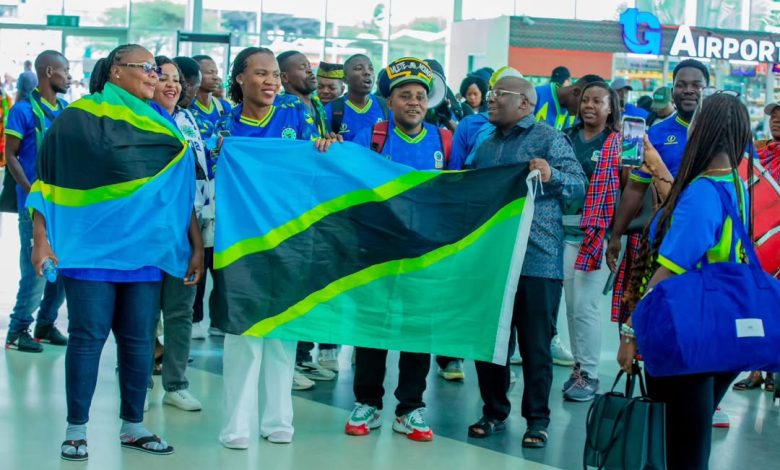
Nsanganzelu made the comments after the team arrived in Dar es Salaam on Wednesday. He noted the current squad is the product of sustained efforts made by football development centres and youth programmes.
Serengeti Boys finished second after falling 4-2 in penalties against Senegal following a 1-1 draw in regular time.
“The success is the result of longterm collective investment from the centres that have helped produce this competitive squad,” he said.
The coach noted that the team’s performances should serve as encouragement for stakeholders to continue supporting youth football, stressing that investment at the grassroots level ultimately delivers results on the national stage. He called for increased support for young players and emphasised the importance of modernising football development in Tanzania.
According to Nsanganzelu, the country must embrace the science of football, including modern training methods and player development systems, to compete with stronger football nations.
“This inspires us because it shows that investment in grassroots football pays off,” he said. “We must continue investing in these children and modernising our football so that we can match the standards of bigger teams.” While acknowledging the progress already made, the coach said further investment remains necessary to strengthen Tanzanian football and sustain future success.
“We have made investments, but we need even more if we are to make our football stronger,” he added.
ALSO READ: Tanzania sits fifth after opening round in Mauritius
Tanzania Football Federation (TFF) president Wallace Karia reaffirmed the federation’s commitment to grassroots football development, saying continued investment in young players remains central to the country’s long-term football ambitions. Karia said the federation’s youth development strategy is already bearing fruit and revealed plans to expand football infrastructure beyond the development centre established in Tanga.
“We remain committed to investing in grassroots football because that is where the future of our game lies,” said Karia. “The success we are witnessing today is a result of years of planning and investment, and we want to build on that foundation.” He disclosed that the federation is planning to establish another development centre in Kahama, Shinyanga Region, to widen opportunities for talented youngsters across the country.
“Our goal is to ensure that talented children have access to quality training and development regardless of where they come from. The planned centre in Kahama will help us reach more young players and strengthen our talent pathway,” he said.
Karia also called on top-flight clubs to play a more active role in nurturing young footballers, arguing that sustainable success depends on a strong connection between youth development and senior football.
“The responsibility of developing players cannot rest with the federation alone. Clubs must invest in youth academies and provide young players with opportunities to grow into professionals,” he said.
“When clubs produce quality players, their senior teams become stronger, and ultimately the national team benefits. That is how successful football nations are built.” He added that closer collaboration between the federation and clubs would be crucial in creating a steady supply of talented players capable of competing at the highest level.