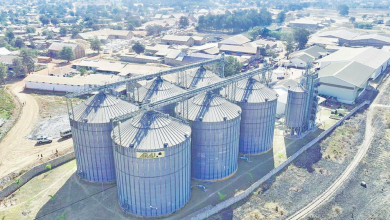
Seed supply gap creates investment opportunities
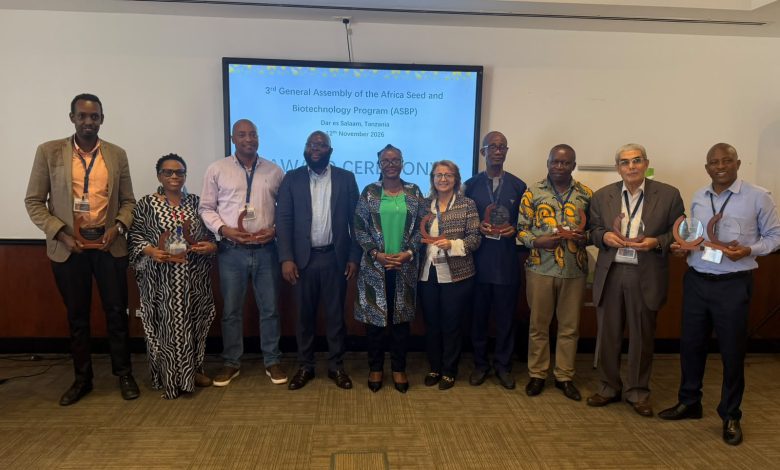
DAR ES SALAAM: A WIDENING gap between seed demand and domestic supply is opening up significant investment opportunities in the agricultural sector, as the government seeks to attract private capital, boost local production and expand the industry’s presence in regional markets.
With annual seed requirements estimated at 127,650 tonnes against available supplies of approximately 79,700 tonnes during the 2025/26 agricultural season, the country faces a deficit of nearly 48,000 tonnes, exposing opportunities for investors in seed production, research, technology, processing and distribution.
The gap is particularly significant given that private businesses already account for between 80 and 90 per cent of seed industry, making them central to efforts to expand production and improve farmers’ access to quality planting materials.
The government is now seeking to build on this private-sector participation through stronger partnerships with agricultural research institutions, improved quality assurance and greater access to regional markets.
Director of Crop Development in the Ministry of Agriculture, Dr Hyasinta Nzogela, said Tanzania had made considerable progress in developing its seed industry, including the development of 13 improved seed varieties through collaboration between research institutions and private companies.

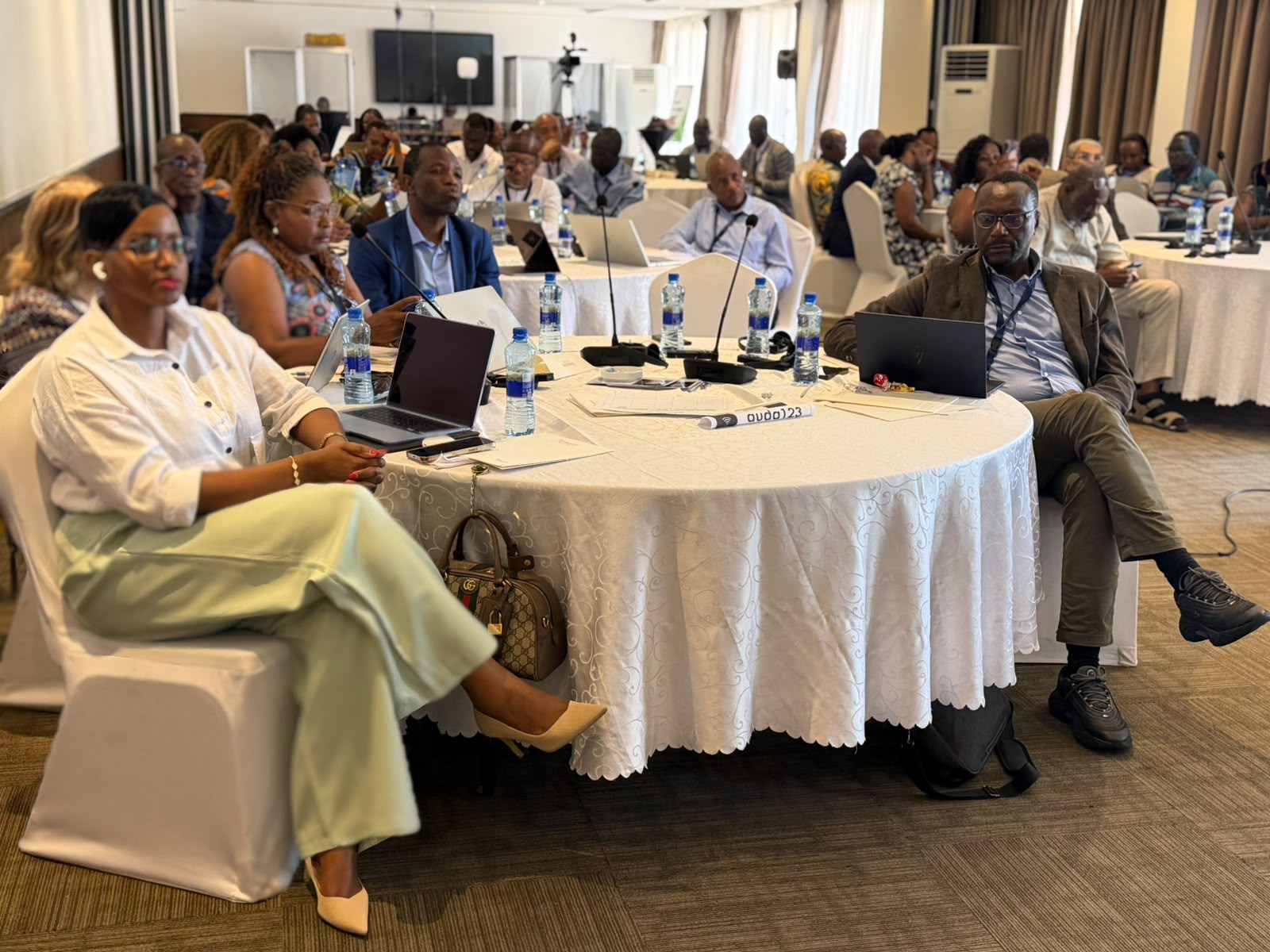
Speaking during the closing of the Third General Assembly of the African Seed and Biotechnology Partnership Platform (ASB PP) in Dar es Salaam recently, she said the varieties were already being used by farmers, demonstrating the contribution of partnerships to developing the sector.
She said the government was pursuing three complementary seed systems to increase availability and improve access to quality planting materials; commercial seed production, Quality Declared Seed (QDS) and farmer-managed seed preservation.
Under the QDS arrangement, smallholder farmers are empowered to produce quality seeds for their communities under the supervision of regulatory authorities. The approach creates opportunities for local seed enterprises while broadening the sources of planting materials available to farming communities.
For investors, the three systems present different opportunities, ranging from large-scale commercial multiplication to community-based seed enterprises and the preservation of locally adapted varieties.
Technology and quality assurance
Beyond production, technology is emerging as another area with commercial potential, particularly in addressing counterfeit seeds and strengthening confidence in the market.
Dr Nzogela said Tanzania had introduced a digital seed verification system using scratch-off labels attached to seed packages, enabling farmers to authenticate purchased products through their mobile phones.
The system allows consumers to verify the authenticity of seeds before planting, helping protect farmers from counterfeit products while safeguarding legitimate seed businesses from unfair competition.
She said the innovation had attracted interest from other African countries seeking to strengthen seed quality assurance and improve traceability within their markets.
The development points to opportunities for technology providers, seed companies and agricultural service businesses to invest in digital verification, product tracking and distribution systems.
Research and breeding also remain important investment areas as changing weather patterns increase demand for varieties capable of performing under different climatic conditions.
Developing seeds that can withstand drought, excessive rainfall, pests and diseases requires sustained investment in research, modern breeding technologies and the conservation of plant genetic resources.
Farmers remain central to innovation
However, expanding production and introducing new varieties will require closer cooperation between researchers and farmers to ensure that innovations respond to actual market and production needs.
Policy and Food Security Expert at Intergovernmental Authority on Development (IGAD), Dr Sylvia Henga, emphasised that farmers should be involved throughout the seed research and variety development process, arguing that breeders must consider productivity, market demand, nutritional value, early maturity and resistance to diseases.
She said developing a variety should involve more than selecting seeds with high yields, as its suitability for particular farming environments and its acceptance by farmers were equally important.
Using Kenya as an example, she explained that some varieties were developed to mature quickly because of shorter rainfall seasons, demonstrating the importance of adapting breeding programmes to local agricultural conditions.
Dr Henga said new varieties needed to undergo farmer testing and national performance trials before certification and release to establish their suitability under different production conditions.
She also stressed the importance of preserving traditional genetic materials held by farming communities, noting that some locally maintained varieties possess characteristics such as disease resistance that could be valuable in future breeding programmes.
Her observations underline the need for investment models that connect research institutions, farmers and commercial seed producers rather than treating seed development as an isolated scientific activity.
Financing remains a major hurdle
Despite the opportunities, access to financing remains one of the challenges facing the expansion of Africa’s seed industry.
Cluster Leader, Institutional Capacity and Future Scenarios, Dr Abdulrazak Ibrahim, said inadequate funding continued to constrain the implementation of agricultural transformation programmes across the continent, noting that the challenge was not always the absence of available capital but also the limited capacity to prepare investment-ready projects.
He said countries needed to develop bankable proposals capable of convincing development finance institutions, commercial lenders and private investors to commit resources to agricultural programmes.
According to him, investors also require a predictable business environment supported by consistent government policies and regulations.
Frequent changes in policies, he warned, could undermine business confidence and discourage companies from making long-term investments, particularly in sectors such as seed production that require sustained research and planning.
His remarks highlight the importance of aligning government priorities with commercially viable investment opportunities and creating conditions that allow businesses to plan for long-term returns.
Regional markets offer expansion opportunities
For Tanzania, expanding beyond the domestic market could provide another avenue for increasing the commercial value of its seed industry.
Dr Nzogela said harmonising seed certification standards within the East African Community (EAC) and Southern African Development Community (SADC) would facilitate cross-border trade and allow certified seeds to access wider markets.
The move could reduce regulatory barriers facing seed companies seeking to operate across borders, while creating opportunities to increase production volumes and benefit from larger consumer markets.
Regional integration is particularly important for businesses seeking to spread production costs across multiple markets and improve their competitiveness.
The discussions also considered the implementation of the Kampala Declaration, which targets access to quality seeds for 80 per cent of African farmers by 2035 and mobilisation of one billion US dollars for investment in the seed sector.
Principal Programme Officer for Agriculture and Rural Transformation at the African Union Development Agency-NEPAD, Dr Clement Adjorlolo, said the discussions had reinforced the need to move beyond policy commitments towards practical implementation.
He said Africa had made progress in developing seed policies and strategies, but the priority now was to translate those commitments into functioning seed systems, increased investment and tangible benefits for farmers.
The message reflects a broader shift towards implementation, with governments and development partners expected to strengthen coordination, mobilise resources and establish programmes capable of expanding seed production and distribution.
For Tanzania, the combination of an existing private-sector presence, a substantial supply deficit, digital quality assurance systems and access to regional markets provides a foundation for further industry development.
However, turning these opportunities into commercial growth will depend on the ability to attract long-term financing, strengthen research capacity, maintain predictable regulations and ensure that improved varieties reach farmers.
Closing the seed supply gap therefore represents more than an agricultural production target. It offers an opportunity to expand agribusiness investment, create employment, strengthen local enterprises and increase Tanzania’s participation in regional agricultural trade.