Infrastructure planning key to tackling urban flooding
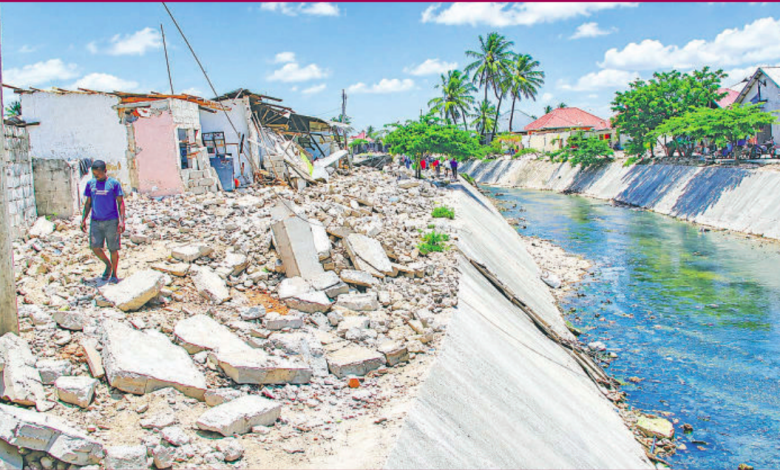
DAR ES SALAAM: HEAVY rainfall and flooding are increasing the need for resilient infrastructure in Dar es Salaam, where roads, bridges and drainage systems face growing pressure during the rainy season.
With El Niño rains expected, the challenge is to ensure that infrastructure can withstand heavy rainfall while minimising the damage and disruption caused by flooding.
Across Ilala, Kinondoni, Ubungo, Kigamboni and Temeke, authorities are identifying vulnerable areas, clearing drainage channels, inspecting bridges and warning residents against activities that obstruct natural waterways.
These measures highlight the importance of preparing for heavy rainfall while ensuring that ongoing construction projects and future infrastructure development adequately address flood risks.
The urgency of these preparations follows a warning issued by the Tanzania Meteorological Authority (TMA) in August that a very strong El Niño was expected to influence weather conditions from October this year through January next year, raising concerns about heavy rainfall and flooding in vulnerable areas.
The experience of the 2023/24 El Niño rains demonstrated the consequences of inadequate preparedness and vulnerable infrastructure.
According to a performance audit by the Controller and Auditor General (CAG), floodrelated deaths increased from 64 in 2020/21 to 130 in 2023/24.
The December 2023 floods and landslides in Hanang District, Manyara Region, claimed 89 lives, while the area of cropland affected by flooding increased from 1,795 hectares in 2020/21 to 5,381 hectares in 2023/24.
Dar es Salaam was also affected, with approximately 146.08 kilometres of roads damaged during the 2023 El Niño rains.
These figures underline the importance of treating flood management as a long-term development priority rather than merely an emergency-response measure. In Dar es Salaam, rapid urbanisation has placed growing pressure on natural drainage systems.
Rivers, valleys and other waterways that once provided space for stormwater are increasingly surrounded by homes, roads, businesses and other developments.
The city’s resilience depends on effective drainage systems, properly designed roads and bridges, adequate culverts, protection of natural waterways and responsible settlement planning.
Construction projects must also incorporate appropriate measures to manage stormwater and protect surrounding communities during the rainy season.
In Ilala, District Commissioner Edward Mpogolo told the Daily News that the district had taken several measures to prepare for possible flooding, including issuing early warnings, cleaning drainage systems and encouraging people living in valleys and other high-risk areas to relocate to safer locations.
The district has also identified emergency areas where affected residents can seek refuge and strengthened preparations for rescue and relief operations.
Mr Mpogolo emphasised that roads, bridges, culverts and drainage systems must have sufficient capacity to accommodate large volumes of stormwater.
He also stressed the importance of preventing construction in valleys, waterways and other flood-prone locations.
Drainage channels around construction sites should remain free of soil, waste and building materials, while exposed areas should be protected against erosion.
Mr Mpogolo said contractors were also expected to consider weather forecasts when undertaking activities such as excavation and road layering to minimise risks associated with heavy rainfall.
These precautions are important because poorly managed construction activities can alter the natural flow of water and increase flooding risks.
Roads can redirect surface runoff, while undersized culverts can restrict river flow and cause water to accumulate upstream.
Buildings and paved surfaces also reduce the amount of rainfall absorbed into the ground, increasing surface runoff and placing additional pressure on existing drainage systems.
Drainage must be incorporated into infrastructure designs from the outset rather than treated as an additional feature after construction has been completed.
In Ubungo, authorities have been identifying and assessing flood-prone areas as part of preparations for heavy rainfall.
The municipal authorities have also emphasised the importance of taking preventive measures before the rains intensify.
Ubungo Municipal Disaster Coordinator George Maiga said ward and street leaders were working closely with environmental committees to identify areas showing signs of potential danger so that appropriate preventive measures could be taken before the rains began.
He said residents living or conducting business in high-risk areas, including valleys and locations near or above drainage channels, had been advised to take early precautions by relocating to safer areas to avoid potential harm during heavy rainfall.
Local leaders and residents were also encouraged to work together to maintain clean and safe surroundings, particularly as preparations for the rainy season continued.
Preparedness efforts also extend to educational institutions in the district, where measures are being taken to protect facilities and maintain essential services during periods of heavy rainfall.
The University of Dar es Salaam (UDSM) Deputy ViceChancellor–Planning, Finance and Administration (DVC-PFA), Professor Bernadeta Killian, said all university units had been instructed to take early and practical measures to minimise the potential impact of heavy rains.
Prof Killian said she had directed each unit to identify areas that could be affected by heavy rainfall, including buildings, bridges, walls, electricity infrastructure, drainage and water systems, as well as other locations vulnerable to flooding or water accumulation.
The directive also requires units to provide the El Niño Preparedness Committee with information on critical services that cannot be interrupted and identify alternative arrangements for maintaining those services if normal operations are disrupted.
The approach places continuity of essential services at the centre of preparedness efforts, ensuring that the response goes beyond protecting physical facilities to consider how teaching, learning, research, administration and other critical functions can continue during adverse weather conditions.
Residents have also welcomed efforts to improve drainage infrastructure, particularly along newly constructed roads and in residential neighbourhoods where rainwater can accumulate quickly.
A resident of Sinza A, William Mabuga said the construction of drainage channels along the newly constructed concrete-surfaced road connecting Sam Nujoma and Mori Road would help reduce flooding in Sinza and surrounding areas.
He said the drainage works would improve stormwater flow and prevent water from accumulating in residential neighbourhoods.
Mr Mabuga stressed the importance of integrating drainage systems into road construction, particularly in densely populated areas where paved surfaces increase runoff and place additional pressure on existing drainage networks.
Properly designed and maintained drainage channels can direct water away from roads and homes, helping to reduce flooding and property damage.
In Kigogo, residents living in low-lying areas along the Msimbazi River have been urged by the government to take precautions against flooding and relocate to safer places where necessary as Dar es Salaam prepares for the expected El Niño rains.
The government warned that people living in high-risk areas faced threats to their lives and property if heavy rainfall caused rivers to overflow.
Residents were advised to follow expert guidance, seek alternative accommodation where necessary and avoid remaining in areas identified as vulnerable to flooding.
The government also emphasised the importance of stopping the dumping of waste into rivers and drainage channels, warning that such practices obstruct water flow and worsen flooding despite ongoing efforts to improve drainage and protect communities.
Sikudhani Ally of Kigogo said residents living in the valley were taking the government’s instructions seriously and recognised the importance of following safety guidance to protect lives and property during the expected El Niño rains.
ALSO READ: TMA issues an alert warning of heavy rainfall across the Tanzanian regions
She emphasised that early warnings, awareness campaigns and timely action by households could help reduce exposure to flood risks, while community participation could complement government efforts to maintain drainage infrastructure.
In Kinondoni, authorities have focused attention on rivers and densely populated areas where settlements have developed close to natural waterways.
River Ng’ombe and other drainage routes have been among the areas receiving attention as authorities prepare for heavy rainfall.
Cleaning rivers and removing accumulated waste are intended to improve water flow and reduce the likelihood of flooding in surrounding communities.
Tandale Ward Councillor, Abdallah Said, urged residents to stop dumping waste into River Ng’ombe and participate actively in environmental cleaning activities to keep their neighbourhoods clean and safe ahead of the expected El Niño rains.
Mr Said also joined residents in a clean-up exercise conducted across Tandale Ward, covering Tandale kwa Tumbo, Mhalitani, Mtogole, Pakacha and Sokoni streets.
He said environmental cleanliness was a continuous responsibility, urging residents to maintain proper waste disposal practices and take necessary precautions to minimise the potential effects of El Niño rains.
A resident of Tandale Emmy William, said cooperation between residents and local authorities was important in strengthening flood preparedness.
She stressed the importance of keeping drainage channels clean and disposing of household waste properly to support government efforts to reduce flooding.
Ms William said community participation was essential in maintaining drainage systems and protecting waterways, particularly in densely populated neighbourhoods.
In Kigamboni, District Commissioner Dalmia Mikaya led inspections of bridges and other high-risk areas requiring attention ahead of the expected El Niño rains. The exercise included the Lingoto dumpsite and Mwera Bridge.
The inspections highlight the importance of assessing infrastructure before extreme rainfall occurs rather than waiting until damage has been recorded.
Ms Mikaya said engineers needed to consider the volume of water expected to pass beneath bridges, the condition of surrounding riverbanks and the possibility of debris obstructing waterways.
Kigamboni’s preparedness efforts also demonstrate the connection between waste management and flood protection.
Rubbish dumped near waterways and drainage channels can be carried into these systems during rainfall, obstructing water movement and increasing flood risks.
In Temeke, the government has continued to urge residents to maintain environmental cleanliness and stop dumping waste into drainage channels to minimise the potential effects of the expected El Niño rains.
The municipality’s rapid urban expansion has increased the need for effective drainage planning as residential areas, businesses and roads replace open spaces that previously absorbed rainfall, placing additional pressure on existing drainage systems.
Simon Mchata of Tandika said residents were supporting government preparedness efforts by keeping their surroundings clean, disposing of waste properly and avoiding activities that obstruct drainage channels.
He said community participation was essential in complementing government efforts to protect homes and infrastructure from the effects of heavy rainfall.
Architect Edwin Mwangasa, who works on various government construction projects, said engineers, architects and contractors involved in construction projects in Dar es Salaam were implementing measures to minimise the impact of the expected El Niño rains.
He said project teams were incorporating effective drainage systems into designs from the initial stages of construction to ensure rainwater flowed safely away from construction sites and surrounding neighbourhoods.
Mr Mwangasa said contractors were clearing drainage channels, keeping natural waterways free of soil and construction debris, and preparing construction sites to manage stormwater during heavy rainfall.
He added that construction teams were accelerating essential earthworks, securing building materials and protecting exposed ground ahead of the rains.
They were also monitoring weather forecasts and adjusting construction activities to minimise disruptions, waterlogging and soil erosion.
Mr Mwangasa said these measures were particularly important in Dar es Salaam, where rapid urban development and extensive paved surfaces increase stormwater runoff and place additional pressure on drainage systems.
He emphasised that integrating flood-prevention measures throughout the construction process helped protect infrastructure, neighbouring properties and communities from potential flooding during the rainy season.
The experiences of Ilala, Kinondoni, Ubungo, Kigamboni and Temeke demonstrate that infrastructure measures being implemented ahead of the expected El Niño rains can provide lasting benefits beyond the coming rainy season.
Improved drainage systems, regular maintenance, better construction planning and protection of natural waterways will strengthen flood resilience, safeguard communities and support Dar es Salaam’s long-term urban development.