Tanzania’s food security needs more than chemical-based agricultural solutions
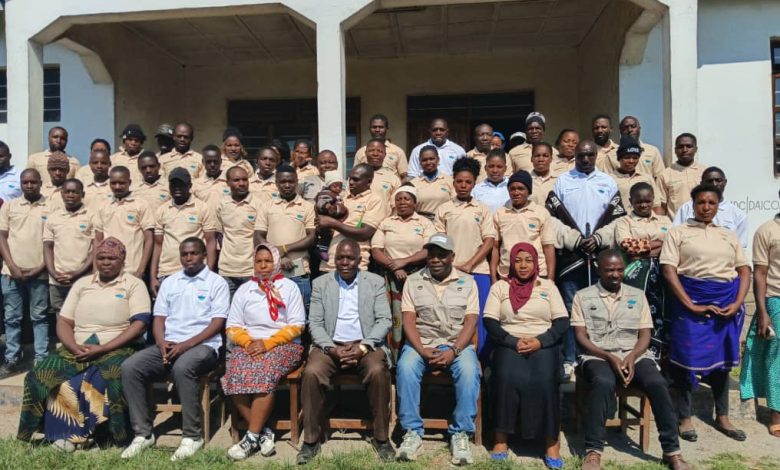
MBEYA: Farmers often associate good harvests with improved seeds and fertilisers. But what happens when traditional seeds disappear and the soil loses its productivity? In Tembela Ward, Mbeya District, an agroecology project is encouraging farmers to revisit indigenous practices.
The project, titled “Strengthening Community-Led Agroecology, Territorial Markets, and Climate Resilience in Tanzania’s Southern Highlands Zone,” is funded by the Agroecology Fund and implemented by TUSHIRIKI. It was recently launched by Mbeya District Executive Director Erica Yegella, who urged farmers to prioritise indigenous farming methods, saying naturally produced crops are safe for consumers and have a guaranteed market.
Tembela farmers grow tomatoes, onions, potatoes and cabbages. Yegella said the initiative could improve production and protect consumers, but its benefits should reach all 28 wards in the district.
“Mbeya District has 28 wards. Bringing the project to Tembela Ward alone will make others jealous. Go to other areas too. If you are troubled over a demonstration farm area, come to us. If you want to go to Isutu and elsewhere, go; I will give you land, so that farmers give priority to the use of indigenous seeds,” she said.
Her support for traditional agriculture is also informed by childhood memories. Recalling her days in Standard Three, Yegella said farmers used indigenous seeds and prepared compost by putting maize leaves in pits. After some time, the decomposed material became manure for their farms.
She wants to see such indigenous practices revived.
“TUSHIRIKI has set an example by bringing us this project. I ask you, my fellow farmers, to use it well, so that Tanzania’s tradition of eating indigenous foods returns,” she said.
Yegella linked the shortage of indigenous seeds to the availability of food that spoils quickly, and urged farmers to preserve traditional varieties.
TUSHIRIKI Director Jansi Sinkamba said the project would run for one year and involve 3,000 farmers in Tembela Ward. The source information describes its funding as “more than 70/-,” but does not specify the complete amount or unit.
Sinkamba said the project seeks to revive indigenous seed practices, which research shows can benefit producers and consumers. Tembela was selected because of environmental degradation in an area once known for abundant, quality crops.
“We have come with agroecology education to Tembela Ward after seeing the great destruction continuing in this ecology, which history shows used to produce many quality crops. There is ongoing destruction, especially of the soil, and a loss of indigenous seeds,” he said.
Tembela is the pilot area; its results will guide expansion to other wards.
TUSHIRIKI Programmes Manager Augustino Ukeha said smallholder farmers from six villages in the ward had been selected for training. The sessions cover cabbage, potato, moringa, carrot and maize production, among other crops, with emphasis on natural inputs instead of industrial products.
“The training we provided focused on the use of natural inputs and abandoning industrial ones that contain chemicals, in order to protect soil health,” he said.
Ecology training expert Fred George said agroecology could help address global food shortages by restoring soil health and supporting sustainable production. He cited reports indicating that 800 million people do not have enough food, while two billion lack nutritious food.
“Reports show that 800 million people do not have enough food and two billion lack nutritious food. As an institution, we are fighting to restore our soil so that it can produce sustainable crops, sufficient at all times, while avoiding chemical inputs that destroy the soil,” he said.
George added that indigenous farming methods could reduce the need to clear new land continually, helping limit environmental destruction and address climate change.
The Shibodya Village Agricultural Officer said the training would be shared with local farmers to encourage them to abandon chemical inputs.
Simambwe Village Chairperson Congress Maridadi said the project had arrived as residents faced tree cutting, declining rainfall and hotter weather, unlike the cooler conditions they remembered from the past.
“I admit that the use of chemical fertilisers has contributed to destroying our land. A farmer who does not use them cannot harvest anything. But this agroecology project has come to liberate us,” he said.
Farmer Alex Gwale, a person with a disability, welcomed the inclusion of people with disabilities, saying the implementers’ decision to involve them deserved support and further development.
Farmers pledged to cooperate with the project team, hoping the knowledge would improve their livelihoods, health and economic independence. Its success will depend on whether they apply the methods and sustain production.
Tembela will test whether traditional knowledge and practical training can restore soil and support healthier food. Its focus on markets and climate resilience places farmers’ production within a wider effort to strengthen local food systems and help communities respond to changing weather. The challenge will be turning training into workable routines across their own plots and local pressures.