China calls for people-centred BRI journalism
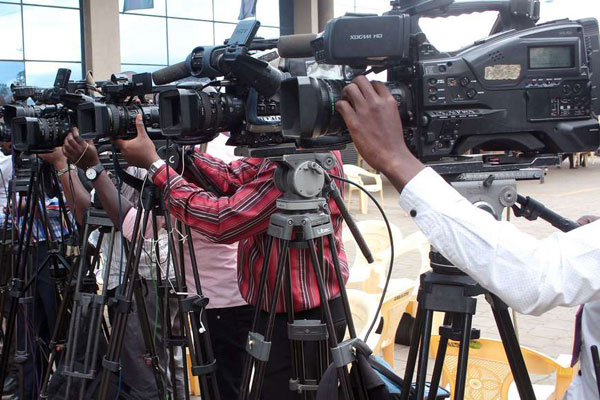
FUZHOU: JOURNALISTS from countries participating in the Belt and Road Initiative (BRI) have been urged to move beyond reporting infrastructure agreements and diplomatic engagements and focus more on how the initiative contributes to national development priorities and improves people’s livelihoods.
Chinese officials made the call at the opening of the 2026 Media Cooperation Forum on Belt and Road in Fuzhou, China, where media representatives were challenged to produce reporting that connects international development cooperation with the everyday experiences of communities.
Vice-Chairperson of the National Committee of the Chinese People’s Political Consultative Conference (CPPCC), Ms Xian Hui, said journalists had an important responsibility to promote mutual understanding, strengthen international cooperation and encourage dialogue among countries participating in the initiative.
“Media organisations should help audiences understand how the BRI relates to their respective countries’ development agendas, including economic transformation, poverty reduction and improved livelihoods,” she said.
Ms Xian also called on journalists to use their platforms to promote peace, security and stronger people-to-people relations, noting that media cooperation could contribute to closer ties among participating nations.
Executive Deputy Head of the Publicity Department of the Communist Party of China (CPC) Central Committee, Mr Hu Heping, similarly urged journalists to communicate the relationship between the BRI and national development strategies.
“Reporting should go beyond policy announcements and major infrastructure projects to demonstrate how development cooperation could contribute to poverty reduction and improvements in people’s lives,” he said.
Mr Hu challenged media practitioners to use quality journalism to empower communities, promote cultural exchanges and create opportunities for greater cooperation among people across participating countries.
“Empower people through better journalism. Open a new chapter of cultural cooperation and people-to-people cooperation,” he said.
President of the People’s Daily of China, Mr Yu Shaoliang, said the forum provided an opportunity for media organisations to document development experiences, exchange ideas and strengthen professional cooperation.
He encouraged journalists to produce stories grounded in local realities, arguing that reporting should reflect how the initiative is being implemented and the benefits it brings to communities.
The discussions highlighted an important consideration for countries participating in the BRI: the success of development cooperation should ultimately be assessed by its contribution to national economic priorities and the welfare of citizens.
ALSO READ: Protecting river sources through journalism: Why environmental reporting matters more than ever
For countries such as Tanzania, this calls for sustained attention to how international partnerships can support infrastructure development, trade connectivity, investment, industrial growth and employment opportunities.
It also presents an opportunity for journalists to examine the practical outcomes of such cooperation, including who benefits from major projects, how local businesses participate and whether communities experience lasting improvements in their economic circumstances.
Beyond reporting agreements and official statements, development journalism has a responsibility to examine both achievements and challenges, ensuring that public understanding is informed by evidence and the experiences of affected communities.
This includes examining issues such as project sustainability, local economic participation, environmental considerations, transparency and the long-term value of investments.
Such reporting can help citizens better understand the opportunities and responsibilities associated with international development partnerships.
The 2026 Media Cooperation Forum on Belt and Road brought together more than 325 media representatives from over 20 countries.
The forum seeks to strengthen understanding of the BRI among editors and journalists while providing a platform for professional exchanges, cultural engagement and closer cooperation among media organisations.