Protecting river sources through journalism: Why environmental reporting matters more than ever
DAR ES SALAAM: The story of every river begins long before its waters reach towns, cities, farms, or industries. It starts in fragile ecosystems where forests, wetlands, mountains, and underground springs quietly sustain life.
Yet across the world, these vital water sources are increasingly threatened by deforestation, uncontrolled farming, livestock grazing, pollution, rapid urbanization, and climate change.
As these pressures grow, environmental journalism has become one of the most powerful tools for educating communities, exposing environmental destruction, promoting sustainable practices, and encouraging governments and citizens to protect natural resources.
Good environmental reporting goes beyond describing environmental problems. It investigates the impact of human activities on rivers and forests, explains environmental laws, highlights successful conservation initiatives, and provides communities with practical solutions.
Journalists help citizens understand why planting trees matters, why farming near riverbanks is dangerous, why illegal waste disposal contaminates drinking water, and why protecting water sources today determines the quality of life for future generations.
Across the globe, environmental journalists have become key partners in conservation efforts. Through investigative stories, documentaries, and community-based reporting, they have exposed illegal logging, mining in protected areas, industrial pollution, and encroachment on wetlands.
Their work has influenced public opinion, informed policymakers, and inspired communities to participate in protecting ecosystems. The importance of protecting river sources has become even greater in the face of climate change. According to international environmental experts, changing rainfall patterns, prolonged
droughts, floods, and increasing temperatures are putting enormous pressure on freshwater ecosystems.
Rivers that once flowed throughout the year are now becoming seasonal in many parts of the world, affecting agriculture, biodiversity, energy production, and public health. Around the world, governments and conservation organizations have intensified efforts to restore forests, rehabilitate watersheds, and strengthen environmental governance.
These initiatives recognize that safeguarding river sources is not simply about protecting water it is about securing food production, preserving biodiversity, reducing disaster risks, supporting economic growth, and ensuring sustainable development for future generations. Africa faces similar environmental challenges, many of which are becoming more severe each year. The continent is home to some of the world's greatest river systems, including the Nile,
Congo, Niger, Zambezi, and Limpopo. These rivers support millions of people through agriculture, fishing, transportation, electricity generation, and domestic water supply.
However, rapid population growth, expanding settlements, unsustainable farming practices, charcoal production, illegal logging, and climate variability continue to threaten these valuable ecosystems. In many African countries, communities living near river catchments depend directly on natural resources for their livelihoods. Without proper environmental management, rivers become polluted, forests disappear, and water availability declines.
Environmental experts increasingly stress that conservation cannot succeed through government action alone. Communities, civil society organizations, researchers, journalists, and the private sector all have essential roles in promoting responsible environmental stewardship. Journalists across Africa are therefore being encouraged to strengthen environmental reporting that not only highlights environmental degradation but also provides practical solutions.
Stories that showcase successful reforestation projects, community conservation initiatives, sustainable agriculture, and effective enforcement of environmental regulations help inspire positive action while encouraging accountability among stakeholders.
In Tanzania, freshwater resources remain among the country's most valuable natural assets. Rivers provide water for households, irrigation, livestock, hydropower generation, tourism, fisheries, and industrial development.
Major river basins such as Rufiji, Pangani, Wami-Ruvu, Ruvuma, Lake Victoria, and Lake Tanganyika support millions of Tanzanians and contribute significantly to national economic development.
Recognizing these threats, the Government of Tanzania has continued implementing environmental conservation initiatives through various institutions while working alongside local government authorities, community organizations, development partners, and civil society organizations.
Public education remains one of the most effective strategies for changing behaviour, making journalism an important partner in environmental conservation. It is within this broader context that environmental reporting continues to gain greater significance in Tanzania. By informing citizens about environmental laws, highlighting the consequences of environmental destruction, and promoting sustainable practices, journalists help communities understand their role in protecting natural resources that support both current and future generations.
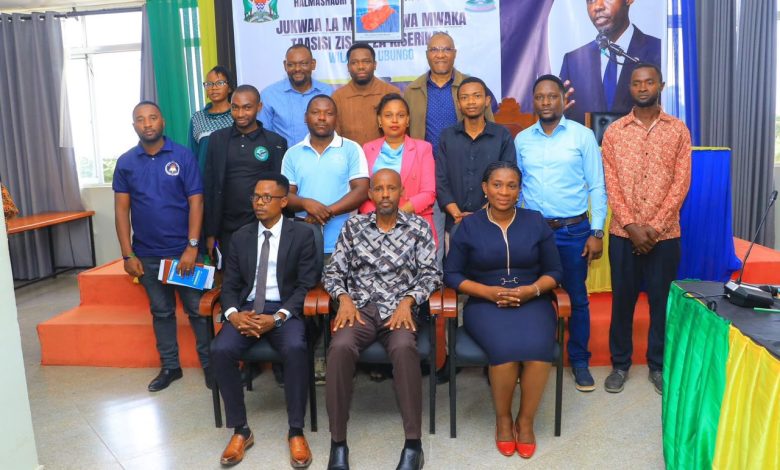
This message featured prominently during the Ubungo District Non-Governmental Organizations (NGOs) Forum held recently where environmental conservation was highlighted as one of the priority development issues requiring collective action.
Speaking during the official opening of the forum, the Ubungo District Commissioner, Albert Msando, commended the Journalists Environmental Team (JET) for its continued commitment to reporting on environmental conservation and the protection of natural resources. He noted that the media plays a critical role in educating the public and ensuring that environmental issues remain part of national development discussions.
Msando encouraged JET to continue producing educational stories focusing on the protection of river sources, emphasizing that such reporting helps safeguard water resources, reduces environmental degradation, and raises public awareness about the growing impacts of drought, pollution, and climate change.
The forum was held under the theme, “New Thinking on the Management of Non- Governmental Organizations: Innovation, Partnerships and Mobilizing Financial Resources through Local Sources”
It brought together representatives from various NGOs operating in Ubungo District to discuss strategies for improving organizational sustainability and strengthening community development initiatives.
Addressing participants, Msando urged NGOs to embrace innovation, strengthen collaboration, and maximize locally available resources to improve the effectiveness of development projects and provide lasting solutions to community challenges. Participants also reviewed the implementation report for NGO activities undertaken during 2025, discussing achievements, challenges, and future implementation plans. He highlighted that, Organizations working in health, education, environmental conservation, economic empowerment, and gender-based violence prevention were encouraged to utilize available community opportunities to deliver sustainable and long-term development outcomes.
Msando further reminded that, “Organizations that had not completed registration procedures to comply with legal requirements and finalize all necessary documentation without delay,” He also encouraged the that, National Council of NGOs (NACONGO) to make greater use of ward offices as coordination centres in order to strengthen engagement with local communities.
Additionally, he challenged NGOs to become more innovative in designing income-generating projects that can improve financial sustainability and reduce dependence on external donors. JET Executive Director John Chikomo explained that the organization considers environmental journalism an essential tool for protecting river sources within Ubungo District and across Tanzania.
According to him, reporting on river conservation increases public awareness about the environmental impacts of human activities, encourages communities to plant trees and avoid farming near water sources, and enables timely reporting of environmental destruction to relevant authorities. He further emphasized that, “Environmental stories should examine the effects of activities such as deforestation, uncontrolled livestock grazing, and unsustainable land use,”
“Journalists should also educate the public about environmental laws that prohibit destructive activities near water sources while highlighting practical conservation techniques and sustainable farming methods that communities can adopt,” he mentioned He emphasized that, “Protecting rivers begins with protecting their sources, and protecting those sources begins with informed communities. Through accurate, solution-oriented
reporting, journalists have the power to influence attitudes, strengthen accountability, and inspire collective action,”
He addressed that, “Ultimately, safeguarding river sources is not solely the responsibility of governments or environmental organizations. It requires the participation of every citizen, every institution, and every community,” “By continuing to tell stories that educate, inform, and inspire action, environmental journalists help ensure that clean water, healthy ecosystems, and sustainable livelihoods remain available for generations to come,” he concluded.