Bunge approves new sugar industry deal

DODOMA: TANZANIA is set to expand value addition in its sugar industry after National Assembly approved a resolution to ratify amendments to the International Sugar Agreement of 1992, paving the way for increased production and utilisation of products derived from sugar production.
The amendments are expected to create investment opportunities in ethanol, electricity, fertiliser production inputs and raw materials for the beverage industry, while facilitating access to new technologies and strengthening international cooperation in addressing economic and social challenges facing the global sugar industry.
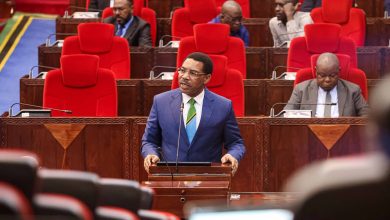
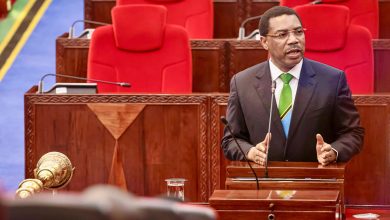
Presenting the parliamentary resolution, Minister for Agriculture, Mr Daniel Chongolo, said the amendments were agreed upon by member states of the International Sugar Organisation (ISO) on November 26, 2021, during the organisation’s 59th International Sugar Council meeting.
He said the changes reflected developments in international trade and technology, as well as the growing economic importance of sugar by-products.
“The amendments aim to broaden the scope of the sugar industry to include products derived from sugar production, such as ethanol, electricity, fertiliser production inputs and raw materials used in beverage industries,” Mr Chongolo said.
Mr Chongolo said ratification would increase the value of sugar by-products, benefiting producers, farmers and the wider economy.
He added that Tanzania would also gain access to research services and new technologies for producing sugar and related products, creating opportunities to improve productivity and competitiveness.
According to him, the amendments are further expected to strengthen cooperation with other ISO members through international consultations and joint initiatives aimed at developing the global sugar industry.
“So far, 47 of the organisation’s 85 member states have ratified the amendments and submitted their instruments of acceptance. The deadline for completing the ratification process is January 1, 2027,” he said.
The proposed changes affect Articles 1, 25, 32, 33 and 34 of the agreement.
Article 1, which outlines the agreement’s objectives, is being revised to strengthen international cooperation, provide a platform for consultations on the global sugar economy and improve the collection and sharing of market information, including data on sugar and sweeteners.
Contributing to the debate, Special Seats MP Yustina Rahhi said the amendments reflected technological advances and the expanding uses of sugar-derived products, including bioenergy and ethanol.
She said changes to Article 25 would introduce new criteria for determining member states’ contributions and voting rights, taking into account sugar production, export capacity, imports, consumption and ability to pay.
“This will ensure that Tanzania’s contribution and voting strength reflect the actual situation of its sugar sector,” she said.
Ms Rahhi said the amendments would also strengthen research and cooperation among member states, enabling them to identify new opportunities in sugar production and marketing.
ALSO READ: Dr Magembe warn against excessive consumption of salt,sugar and fat
She urged MPs to support the resolution, arguing that the changes would increase the value of sugar products, expand markets, boost economic growth and create employment, particularly for young people.
Manonga MP Abubakar Omari said domestic sugar production had increased since 2017, with the sugar deficit declining from 31 per cent to six per cent, while investment in the sector had reached 3tri/-.
He said the proposed amendments could further expand production and commercial opportunities but cautioned that taxation arrangements needed to support the development of sugar-derived industries.
Mr Omari particularly urged the government to review the taxation of ethanol, saying manufacturers were required to pay tax as soon as the product was manufactured, even before it was sold or used as an industrial raw material in products such as beverages and fertiliser.
He warned that the arrangement could tie up manufacturers’ working capital and called for a review to ensure taxation takes into account the intended use of the product.