Mbeya welcomes the awareness campaign on the Draft Constitution of EAC Confederation
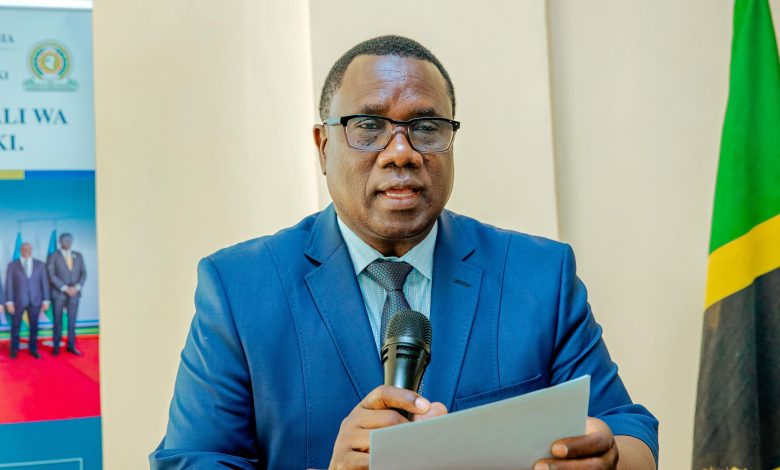
MBEYA: THE Tanzanian Government, through the Ministry of Foreign Affairs and East African Cooperation,has enhanced a nationwide public education campaign on the Draft Constitution of the East African Political Confederation to ensure citizens participate actively in efforts to strengthen regional integration.
Opening the campaign in Mbeya Region on October 28, 2026, Mbeya Regional Commissioner, Jumanne Sagini, stressed the importance of ensuring citizens have an accurate understanding of the Political Confederation and use the opportunity to submit views that will help shape a draft constitution reflecting their interests and aspirations.
Sagini said public participation was essential to ensuring that the Political Confederation process takes into account the perspectives of different groups in society and strengthens a shared understanding of the future of the East African Community (EAC).
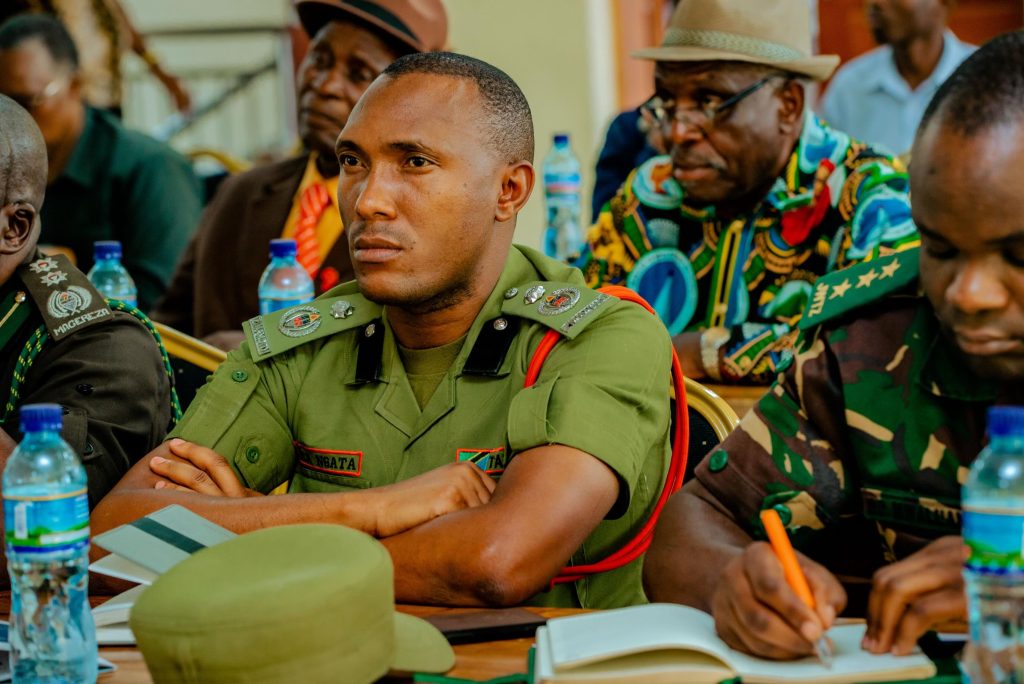
The exercise brought together stakeholders from the Regional Administration, district government leaders, business associations, religious institutions, civil society organisations and various social groups, including young people, women and people from special groups.
ALSO READ: Tanzania begins preps for nationwide education on proposed draft of EAC political confederation
Presenting on the Political Confederation, Salehe Mubarak, a member of the EAC Committee responsible for drafting the Political Confederation Constitution, explained its concept, objectives and key stages. He said the Political Confederation is a transitional step towards a Political Federation, a process adopted by EAC Heads of State in 2017.
Key issues requiring public understanding and input include the division of responsibilities and powers between member states and the Confederation, decision-making mechanisms, and measures to ensure citizens’ interests are considered throughout the regional integration process.
Participants also had an opportunity to engage in discussions, ask questions and submit views on governance structures, decision-making systems, areas of cooperation, and the relationship between the governments of member states and the Confederation’s authorities.