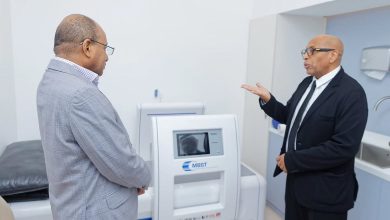
TCRA advances digital inclusion for PwDs through assistive technologies
DAR ES SALAAM: The Tanzania Communications Regulatory Authority (TCRA) is advancing efforts to improve access to digital services for persons with disabilities through its Change Initiative under the ICT Policy and Regulation – Institutional Strengthening (iPRIS) project.
The initiative focuses on the adoption and integration of assistive technologies to make digital platforms more accessible and inclusive.
The Tanzania Communications Regulatory Authority (TCRA) is participating in the eighth iPRIS Cohort follow-up phase, taking place in Nairobi, Kenya, from 5th to 9th October 2026.
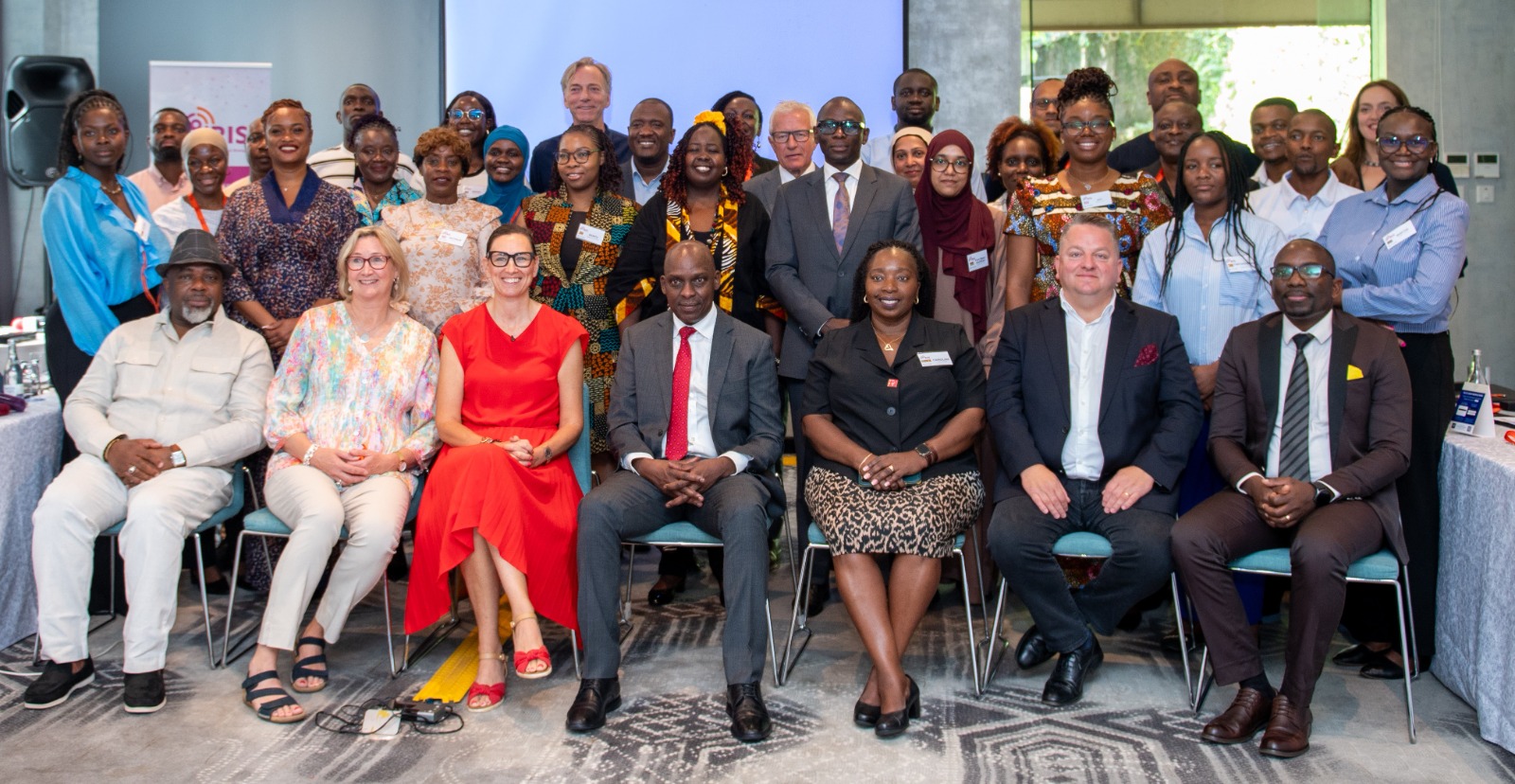
The five-day peer-to-peer exchange brings together regulatory representatives and experts from Liberia, Mauritius, Namibia, Sierra Leone, Tanzania and Zimbabwe, alongside regional regulatory organisations and counterparts from Europe, to review progress on country-led Change Initiatives, share regulatory experiences and explore practical solutions to emerging digital challenges.
Building on the cohort’s first exchange in Sweden in May 2026, the Nairobi phase focuses on translating shared learning into practical institutional improvements.
Speaking on the progress of TCRA’s Change Initiative, Director General Eng Peter Mwasalyanda stated: “The project is 80 percent complete, with the first six months focusing on stakeholder engagement and integrating assistive technologies to improve the accessibility of TCRA’s website.
These efforts have earned recognition from the Tanzania Bureau of Standards (TBS) for proactively implementing the newly introduced Tanzania Standard on accessibility of communications and ICT products and services for persons with disabilities.
ALSO READ: Tanzania digital inclusion project wins global award
Over the next six months, we will focus on further benchmarking and exploring methods for assessing website accessibility.
Collaboration among regulators will also be essential to the initiative’s success.
The project aligns with TCRA’s Strategic Objective D on improving the accessibility, affordability and quality of regulated communications services, ultimately promoting greater digital inclusion and participation of persons with disabilities in the digital economy.”
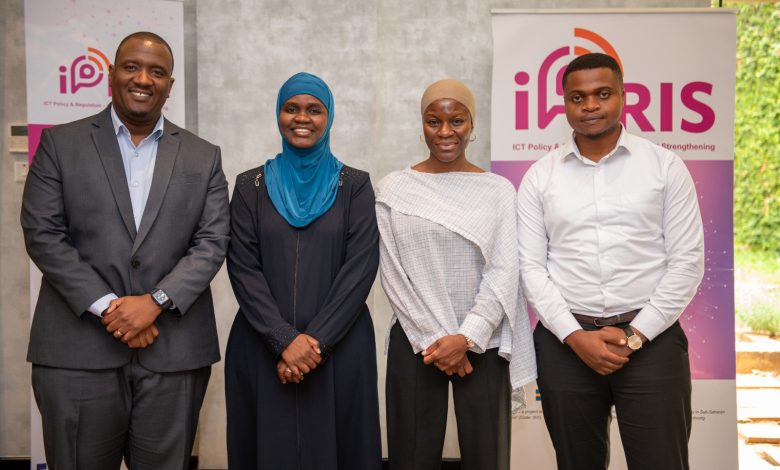
Representing Tanzania are Mwapwani Mbaraka Mnzava, Sophia Said Nahoza, Brian Marcus Kalinga and Bernard Frank Mosha, who are working on TCRA’s Change Initiative, “Enhancing Digital Inclusion of Persons with Disabilities (PwD) through the Adoption and Integration of Assistive Technologies (AT).”
Through the exchange, the delegation is sharing its experiences and learning from fellow regulators about approaches that could strengthen digital accessibility and support the initiative’s implementation in Tanzania.
As Tanzania continues to expand its digital services, ensuring that persons with disabilities can access and use these services remains essential to inclusive digital transformation.
According to figures cited by TCRA from Tanzania’s National Bureau of Statistics, more than 11.2% of the population aged seven years and above were living with some form of disability in 2022, highlighting the importance of making digital services accessible to all. Barriers in the design of websites and digital platforms can limit access to information, education, employment and other opportunities.
Assistive technologies, including screen readers and accessible digital interfaces, can help address these challenges and enable greater independence and participation.
TCRA has already begun introducing accessibility improvements to its website, with similar approaches reportedly attracting interest from other institutions.
The Authority has also engaged associations of persons with disabilities in Tanzania to raise awareness of assistive technologies and better understand the challenges they face when accessing digital services.
In addition, an ongoing data collection exercise is examining access to assistive technologies through mobile network services to help inform further improvements.
The Tanzania Bureau of Standards has also welcomed efforts to promote wider adoption of accessible digital platforms.
These developments complement TCRA’s broader inclusion efforts. Its various public awareness campaigns, including FURSA SANA and FUTA DELETE KABISA, have incorporated the use of sign language interpretation and braille in offering digital skills training for Persons with Disabilities (PwDs) in various regions, including Dar es Salaam, Mtwara and Dodoma.
Together, these efforts reflect the importance of ensuring that digital transformation goes beyond expanding connectivity to making digital services accessible and usable for everyone. They also demonstrate how regulatory institutions can lead by example, encouraging other organisations to consider accessibility as an essential part of digital service delivery.
Throughout the Nairobi exchange, the TCRA delegation is engaging with fellow regulatory representatives and experts from Africa and Europe to share experiences and explore approaches relevant to its Change Initiative.
These discussions provide opportunities to learn from different regulatory and institutional contexts, consider practical solutions to accessibility challenges and identify approaches that could be adapted to Tanzania’s needs.
Beyond the iPRIS follow-up exchange, TCRA is also exploring opportunities for further benchmarking and knowledge-sharing on digital accessibility.
Areas of interest include regulatory frameworks and policies, accessible customer services and digital products, as well as approaches to making websites, digital documents and online platforms more inclusive for persons with disabilities.
Such exchanges could help TCRA identify practical approaches that can be adapted to Tanzania’s context and strengthen the implementation of its Change Initiative.
Drawing on these experiences and the progress already made, TCRA will continue developing and implementing its Change Initiative over the coming months, with the project expected to be finalised within the next six months.