Turning mineral wealth into broad-based prosperity
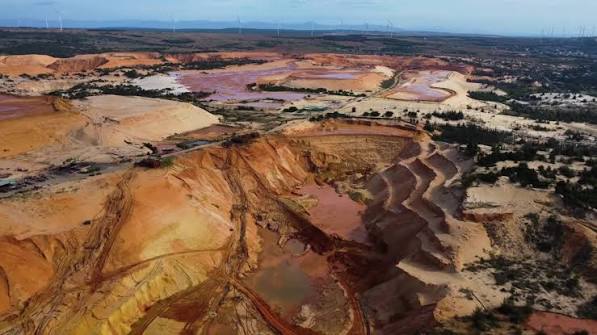
TANZANIA: TANZANIA’S mineral sector is entering a potentially significant phase of growth, with mineral sales reaching 7.78tri/- in just six months between January and June this year.
The figure, equivalent to about two-thirds of the 11.7tri/- recorded throughout 2025, points to a sector that is becoming increasingly important to the national economy.
The latest performance is encouraging, but the real measure of success should not be the value of minerals sold alone.
Tanzania must ensure that rising mineral revenues translate into stronger foreign exchange reserves, increased government revenue, employment, investment and tangible improvements in the lives of communities where mining takes place.
The reported expansion appears to be linked partly to efforts to bring more small-, medium- and large-scale miners into the formal economy.
This is an important development. Formalisation can improve transparency, strengthen revenue collection, give miners better access to markets and finance and enable the government to regulate the sector more effectively.
The Bank of Tanzania’s domestic gold purchase programme is another important component.
The central bank has reportedly bought 34 tonnes of gold worth 4.7 billion US dollars since 2024, while the purchases have contributed to an increase in foreign exchange reserves.
Maintaining adequate reserves is essential for supporting economic stability and meeting the country’s import requirements.
However, Tanzania should guard against measuring mining success principally through production and sales figures.
The sector continues to face structural challenges, particularly for small-scale miners.
High exploration costs, inadequate geological information and disputes involving land ownership and mineral rights can discourage investment and undermine the very communities that depend on mining.
ALSO READ: Tanzania women pursue greater control of mineral wealth
The planned expansion of detailed geophysical surveys from 16 per cent to 50 per cent of the country by 2030 is therefore timely.
Better geological data can reduce exploration risks and costs, allowing miners to make more informed investment decisions.
Equally important is the proposed review of laws and policies governing land and mineral rights.
Persistent conflicts between the two can delay projects, create uncertainty and fuel disputes in mining communities.
As Tanzania seeks to unlock more of its mineral potential, transparency, predictable regulation and fair participation must remain central to the reform agenda.
The country has an opportunity to build a mining industry that generates wealth while supporting local enterprise and protecting legitimate community interests.
The 7.78tri/- recorded in six months is a strong economic signal.
The greater challenge now is to convert that momentum into sustainable, widely shared national development.