Govt sounds alarm over child development
DODOMA: ABOUT 8.5 million children in Tanzania are at risk of failing to reach their full developmental potential, with poverty, low education levels, poor housing conditions and limited access to early childhood services remaining major barriers.
The government issued the warning while reviewing implementation of the National Integrated Early Childhood Development Programme (PJT-MMMAM), stressing that investment in children’s early years is essential for both social wellbeing and long-term economic growth.
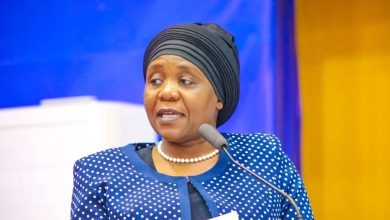
Deputy Permanent Secretary in the Prime Minister’s Office–Regional Administration and Local Government (PMO-RALG), Professor Tumaini Nagu, said Tanzania has about 16 million children, representing roughly 27 per cent of the country’s population.
Citing findings from the 2022 Tanzania Demographic and Health Survey and Malaria Indicator Survey (TDHSMIS), she said 53 per cent of children aged two to four are at risk of failing to achieve their full developmental potential.
“The consequences of children failing to reach their full developmental potential do not end in childhood. They can extend into adulthood and affect their economic potential,” Prof Nagu said.
She said children who grow up under such disadvantages are more likely to earn lower incomes as adults, weakening household economies and perpetuating poverty across generations.
Prof Nagu cited a 2018 World Health Organisation (WHO) study showing that every US dollar invested in integrated early childhood interventions can generate returns of up to 17 US dollars.
ALSO READ: ESRAC centres transform early child development and inclusive education in Tanzania
She called for stronger strategies to improve childcare services at family, community and institutional levels. “We have no choice but to put in place and implement strong strategies to strengthen quality childcare services,” she said.
She stressed that effective childcare begins at home, urging parents to work together to create environments that support children’s healthy growth and development.
The government, working with development partners, has expanded the number of registered daycare centres from 2,378 in 2024 to 5,963, a significant increase aimed at improving access to early childhood services.
Prof Nagu directed regional authorities to ensure that all children attending daycare centres are registered in the School Information System, saying some regions continue to lag behind.
She also instructed health facilities nationwide to establish Early Childhood Development corners and urged authorities to include children with disabilities in development plans, with dedicated funding for wheelchairs and other assistive equipment.
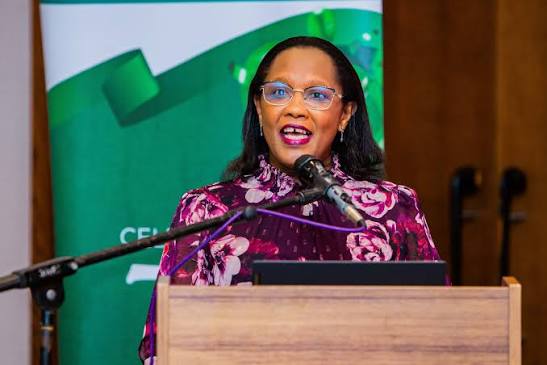
Deputy Permanent Secretary in the Ministry of Community Development, Gender, Women and Special Groups, Ms Felister Mdemu, said achieving the Tanzania Development Vision 2050 would require sustained investment in early childhood development.
She urged implementing institutions to focus on measurable outcomes rather than activities alone.
“Success should not be measured by the number of meetings held, but by the number of children reached, the quality of services and the safety of their environments,” Ms Mdemu said.