

Early childhood development key to Vision 2050
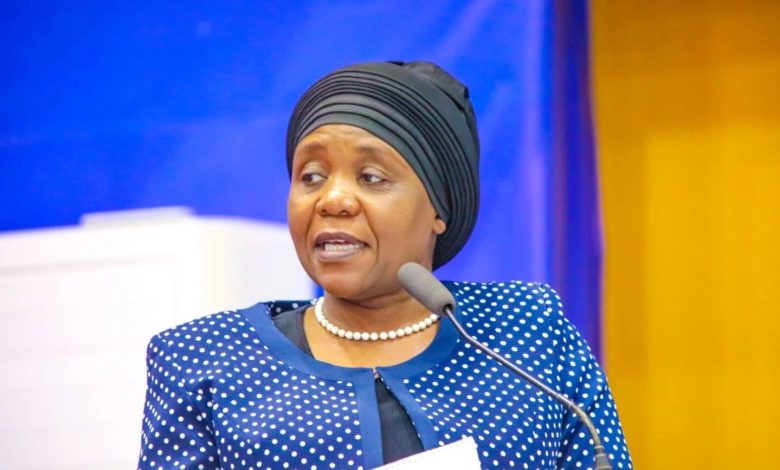
DOODMA: TANZANIA has placed early childhood development at the centre of its long-term national development agenda, with the government calling for stronger investment in children’s health, nutrition, protection, learning and positive parenting as the country works towards Dira 2050.
Speaking in Dodoma at the opening of a three-day mid-year review meeting of the National Integrated Early Childhood Care, Development and Learning Programme (PJT-MMMAM), Minister for Community Development, Gender, Women and Special Groups, Dr Dorothy Gwajima, said the country’s ambitions for 2050 would depend heavily on how well it nurtures children today.
“Tanzania of 2050 is being built through the life of the child today,” Dr Gwajima said, stressing that children who receive adequate nutrition, healthcare, protection, opportunities to play and learn and loving care are more likely to develop the foundation needed to contribute to national development.
The minister said the programme’s work was particularly significant given the size of Tanzania’s child population.
According to the 2022 Population and Housing Census, Tanzania had a population of 61,741,120, including 59,851,347 people in Mainland Tanzania, while children aged between zero and eight years were estimated at about 16 million.
ALSO READ: Zanzibar inaugurates Early Childhood Development Centre for safe childcare
The figures, she said, underscored the scale of the government’s responsibility to ensure that children across the country have access to quality health, nutrition, protection, care and early learning services.
The three-day meeting has brought together 340 participants from all 26 regions of Mainland Tanzania, including officials working in health, nutrition, education, social welfare, community development, planning and child protection.
Dr Gwajima said the meeting should go beyond reviewing activities and instead determine whether government interventions were producing tangible improvements in children’s lives.
She challenged participants to establish which children were still being left behind, assess the quality and accessibility of services, determine whether children with disabilities and those in vulnerable circumstances were receiving appropriate support and examine whether parents and caregivers had sufficient knowledge and assistance to provide positive care.
She also called for closer scrutiny of childcare centres, including their safety, cleanliness, accessibility, facilities and the qualifications of caregivers. “Questions should not be answered by simply listing the number of meetings held. We need to know what has changed for the child,” she said.


Solid write-up, thanks for sharing. Noting this reference here as well for anyone else researching the same thing: https://plaza.rakuten.co.jp/rich1988cc/diary/202609200002/