Gas-tofertiliser strategy takes shape
DOHA: TANZANIA is considering a strategic shift in the use of its oil and gas resources by prioritising domestic fertiliser production from natural gas, to strengthen food security and reduce dependence on external markets.
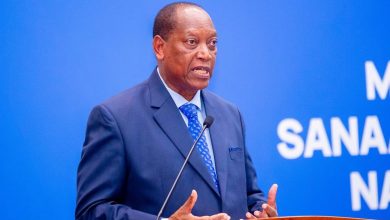
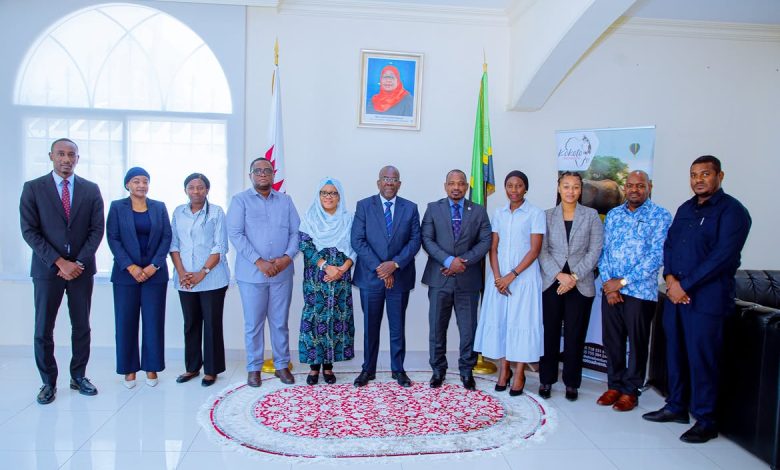
Minister for Finance, Ambassador Khamis Mussa Omar, outlined the proposal while chairing a preparatory meeting ahead of Tanzania’s participation in the 11th Annual Meeting of the Board of Governors of the Asian Infrastructure Investment Bank (AIIB) in Doha, Qatar.
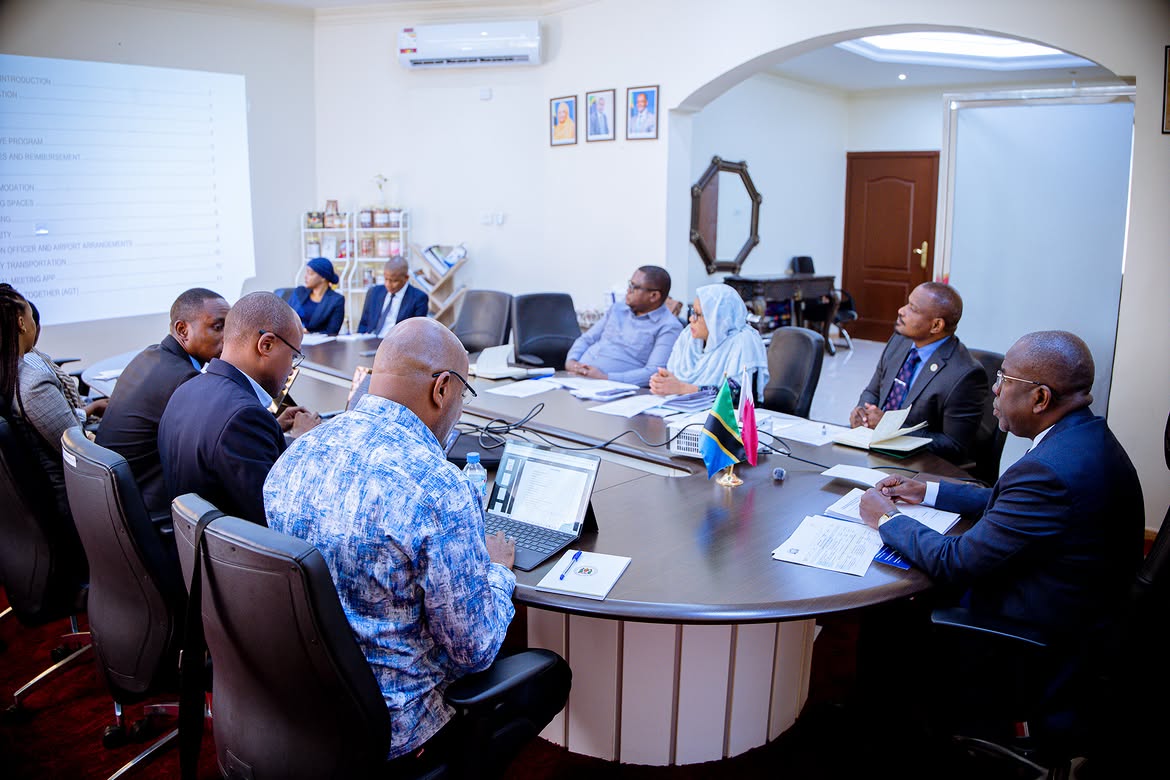
He said the time had come for Tanzania and other African countries endowed with natural gas, including Mozambique, to focus on adding value to the resource by producing fertiliser for domestic consumption rather than relying heavily on international markets.
“The time has come for Tanzania and other African countries with these resources to start thinking about using natural gas to produce fertiliser to meet domestic demand rather than depending more on external markets,” Amb Omar said.
He said recent disruptions affecting major global shipping routes, including the Strait of Hormuz, the Suez Canal and the Panama Canal, had highlighted the vulnerability of countries that rely heavily on international supply chains.
The disruptions, he said, underscored the need for African countries to strengthen domestic production and build more resilient economies capable of meeting essential needs locally.
The minister also called for Tanzania to broaden its knowledge of the petrochemical economy by learning from Middle Eastern countries that have developed industries around their oil and gas resources.
While Tanzania had benefited from Norway’s Oil for Development programme, he said it was now important to expand the country’s knowledge base and explore additional ways of maximising the economic value of its energy resources.
The proposed focus on fertiliser production would provide an opportunity to link Tanzania’s natural gas resources with agriculture, one of the country’s key economic sectors.
By using gas as a feedstock for fertiliser production, Tanzania could potentially strengthen domestic supply while creating greater value from its natural resources. It could also reduce exposure to fluctuations in international fertiliser markets and disruptions to global supply chains.
Amb Omar also commended the Tanzanian Embassy in Qatar for marking a decade of diplomatic and economic relations with the Gulf nation, describing the milestone as important for strengthening trade and investment cooperation, particularly in the energy sector.
He said the relationship also presented opportunities to expand cooperation in other areas of mutual interest.
On employment, the minister welcomed the growing number of Tanzanians securing jobs in Qatar, where more than 2,500 Tanzanians are currently living and working.
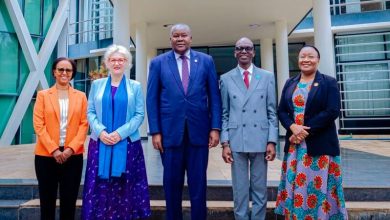
Tanzania’s Ambassador to Qatar, Habibu Mohamed, said bilateral relations had continued to deepen since the establishment of the embassy in 2017.
He said the embassy’s work was guided by seven priorities: strengthening diplomacy, economic cooperation, foreign direct investment, tourism, employment, diaspora affairs and higher education.
Amb Mohamed said Qatar, whose economy derives about 85 per cent of its revenue from petroleum products, remained an important potential source of fertiliser for Tanzania as the government continued exploring mechanisms for securing adequate and reliable supplies.
The comments highlight the potential for Tanzania to combine domestic natural gas resources with international partnerships as it seeks to strengthen fertiliser availability and support agricultural production.
ALSO READ: Tanzania, Uganda explore the implementation of joint oil and gas projects
Amb Mohamed also pointed to progress in employment cooperation, particularly in the transport sector, where 720 Tanzanians had been recruited as drivers for Qatar’s state-owned bus company.
The developments come as Tanzania seeks to deepen economic ties with Qatar while exploring ways to turn its natural resource endowment into broader economic opportunities, including food security, industrial development, trade and employment.