Tanga opens new doors for out-of-school youth as skills programme fights poverty, exclusion
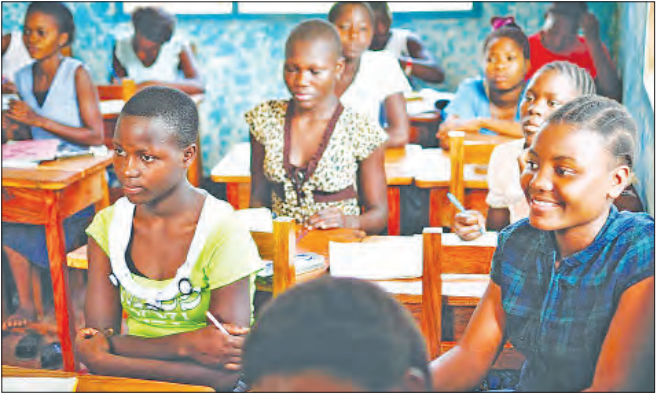
TANGA: LEAVING school prematurely does not necessarily mean abandoning a young person’s dreams. But without another pathway to education, skills and economic opportunity, an interrupted education can quickly become a lifetime struggle. For many adolescents, circumstances beyond their control can force them out of the formal education system.
Teenage pregnancy, poverty, family responsibilities, disability and other social and economic challenges can cut short their schooling, leaving them without the qualifications or practical skills needed to secure employment or establish sustainable livelihoods. In Tanga Region, however, a programme is seeking to change that trajectory.
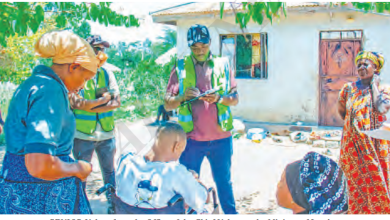
The Integrated Programme for Out-of-School Adolescents (IPOSA) is creating an alternative pathway for young people who are no longer in formal education.
Through flexible learning, vocational training, life skills and entrepreneurship, the programme aims to give adolescents a second opportunity to acquire knowledge, develop practical competencies and build a more secure economic future. For Elizabeth Asenga, an IPOSA beneficiary from Shinyanga, the impact is already evident.
“The IPOSA project has opened doors to employment for us, enabled us to increase our skills and provided opportunities to earn income for improving the lives of our families.” Her experience captures the central idea behind the programme: leaving school should not automatically mean being permanently shut out of learning, employment and economic participation.
ALSO READ: Tanzania calls on African nations, health stakeholders to bolster anti-malaria campaign
Creating a pathway after interrupted education IPOSA targets adolescents aged between 14 and 19 who are outside the formal education system. This includes school dropouts, young people who completed primary education but did not proceed, those who never enrolled in school and others whose education was interrupted for different reasons.
Instead of treating these young people as having reached the end of their educational journey, the programme provides alternative learning opportunities that combine literacy and numeracy with life skills, vocational competencies and entrepreneurship. This approach is particularly important for girls whose education has been interrupted by pregnancy. Returning to conventional schooling may not always be straightforward, particularly when young mothers have childcare, financial or family responsibilities.
A flexible learning and skills pathway can therefore provide an opportunity to continue developing while addressing the practical realities of their lives. IPOSA offers training in areas such as tailoring, electrical installation, carpentry, beauty and fashion, masonry, horticulture and welding, among other trades determined by local needs.
The objective is not simply to bring young people into another classroom. It is to give them competencies that can be applied in the workplace, used to establish small businesses or serve as a foundation for further education and training. From beneficiary to innovator The possibilities created by such programmes can extend beyond traditional vocational employment.
One beneficiary from Mbalizi in Mbeya, for example, has developed several innovative ideas, including Tanzania Road Intelligence (TRI), a system intended to use real-time information to improve road safety. The beneficiary has also developed a sensor-based Caller Device designed to alert an owner when a door is opened, as well as a Zapper Device, a prototype exploring the use of specific electrical pulses to control bacteria.
These examples demonstrate that skills development can do more than prepare young people for conventional jobs. It can also create an environment where learners identify problems, experiment with solutions and develop innovative ideas.
For out-of-school adolescents, that combination of practical skills and creative thinking can be particularly valuable in economies where formal employment opportunities are limited and self-employment plays an important role in livelihoods.
Building a bridge to opportunity The Institute of Adult Education (IAE), which is implementing IPOSA, says the programme is intended to equip young people with competencies that can support further education, employment, self-employment and entrepreneurship.
IAE Director, Prof Philipo Sanga has described the initiative as part of broader efforts to ensure that young people outside the formal education system can access knowledge and practical skills capable of improving their economic prospects. In Tanga, IPOSA is being implemented across six councils: Tanga City, Handeni, Kilindi, Lushoto, Muheza and Pangani.
The region has one model workshop, five ordinary workshops and a special workshop at Maweni Prison designed to serve special groups, including people undergoing rehabilitation. IAE is also working to align the IPOSA curriculum with the Tanzania Qualifications Framework. Shorter learning pathways, including micro-credentials, are being used to recognise specific competencies acquired by learners.
ALSO READ: Tanzania ropes in Algeria’s CAM SARL in producing machinery for processing its agricultural products
Such recognition can be important because it provides learners with evidence of the skills they have gained and can potentially help connect those competencies with further training and employment opportunities. Korea’s investment and the sustainability challenge IPOSA has also emerged from cooperation between Tanzania and the Republic of Korea in education and skills development.
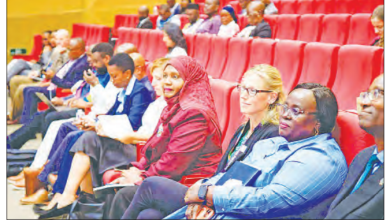
Korean Ambassador to Tanzania Eunje Ahn said Korea, through the Korea International Cooperation Agency (KOICA), provided approximately 6 million US dollars over three years to support IPOSA in six regions. The assistance included the construction of 31 centres, including model centres in Shinyanga, Manyara and Tanga, as well as a special centre in Tanga.
The support also covered equipment and capacity-building for facilitators. However, Ambassador Ahn stressed that handing over the centres to Tanzania should mark the beginning of another phase rather than the conclusion of the initiative. The long-term sustainability of the programme, she said, will depend on integrating it into national systems and ensuring that national institutions take ownership of its future.
That places an important responsibility on education authorities and local governments to keep the facilities functional, adequately equipped and responsive to the changing needs of young people and the labour market. Turning skills into economic opportunity Providing training is only one part of the challenge. The more difficult question is what happens after young people acquires those skills.
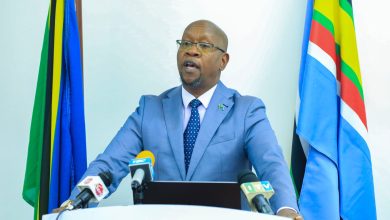
A young person may graduate with vocational competencies but still struggle to find customers, secure capital, obtain an apprenticeship, identify an employer or establish a sustainable business. Recognising this challenge, Education Minister Prof Adolf Mkenda has directed stronger cooperation between IAE and institutions such as the Vocational Education and Training Authority (VETA), Small Industries Development Organisation (SIDO) and Folk Development Colleges, alongside the private sector.
The proposed collaboration is intended to expose learners to practical training, mentorship, workplace experience and employment opportunities. IPOSA committees have also been tasked with helping young people connect with loans, markets, training opportunities and other economic services. This is significant because skills become economically meaningful when they can be translated into productive work.
For that reason, Prof Mkenda has called for IPOSA centres to develop into youth development hubs, rather than functioning merely as places where young people attend classes. Such hubs could bring together training, entrepreneurship support, mentorship, financial services, market information and connections with employers. Keeping girls and vulnerable youth included The programme’s effectiveness will also depend on its ability to respond to the different circumstances that push adolescents out of school.
Some leave because of pregnancy. Others are affected by poverty, family responsibilities or the need to work. Young people with disabilities may face additional barriers, while those in rural areas can struggle with limited access to conventional education and training institutions. Prof Mkenda has directed that IPOSA should reach girls and boys equally, as well as young people with disabilities, rural youth and other vulnerable groups.
The emphasis on inclusion matters because there is no single reason why adolescents leave school and therefore no single solution that will work for everyone. A young mother may need flexible learning and childcare support. A young person affected by poverty may need skills combined with access to finance or employment. A learner with a disability may require appropriate facilities and training arrangements.
Addressing these differences can determine whether a secondchance programme genuinely reaches those who need it most. Making the second chance sustainable Ultimately, the success of IPOSA will not be measured only by the number of workshops constructed or adolescents enrolled.