Bridging transport, logistics gaps could unlock tourism growth ahead of AFCON – EAC CEOs say
ARUSHA: EAST Africa could unlock a larger regional tourism market by making travel between neighbouring countries faster, cheaper and more seamless, but high airfares and fragmented transport systems remain a major constraint, tourism executives said.
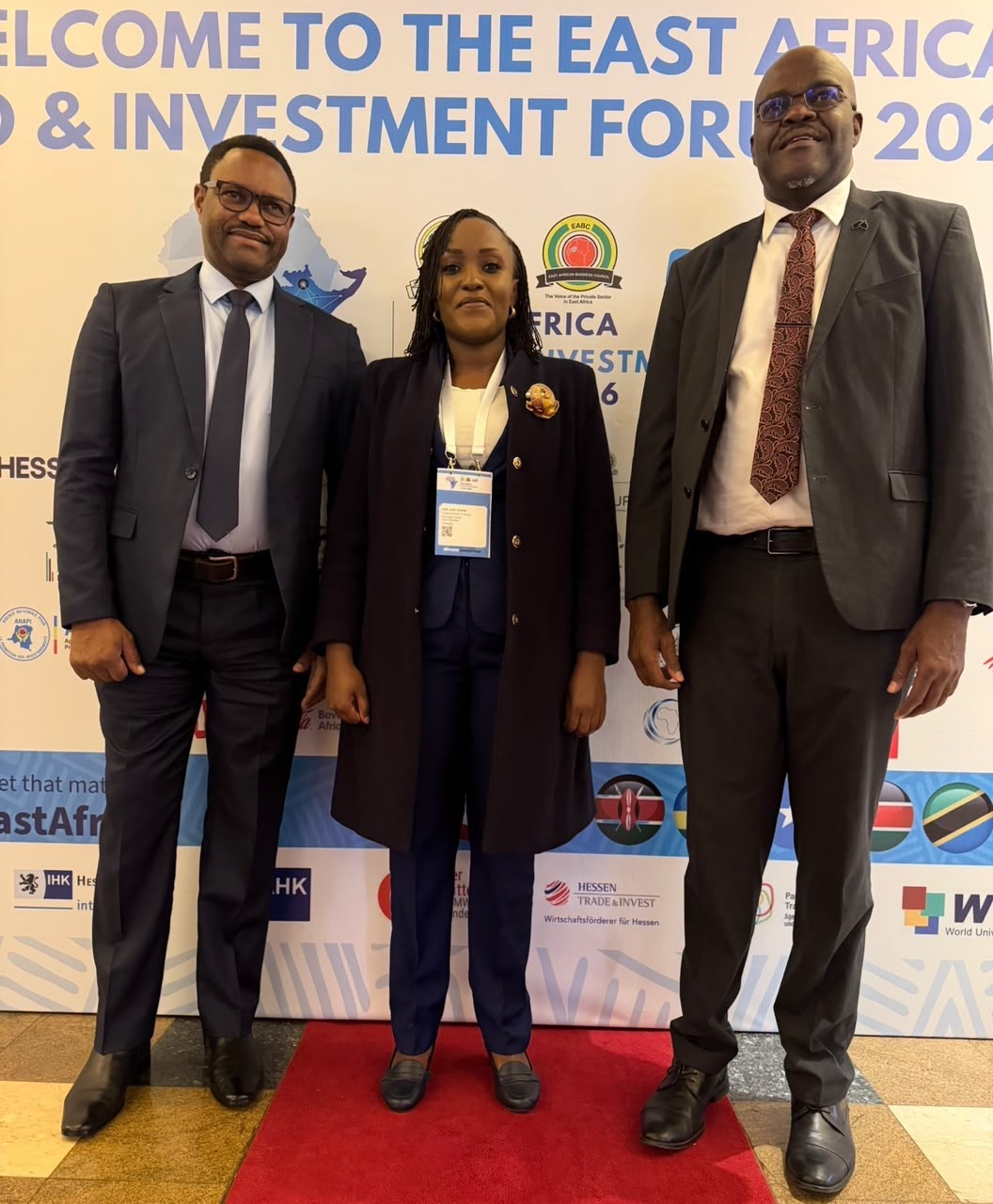
Chief Executive Officer of Sports and Active Tourism Events Promotion (SATEP), Tim Mdinka organisers of the Serengeti Safari Marathon and Cape to Cairo Arusha International Marathon, said stronger transport links would allow the region to package destinations across borders, increase visitor spending and spread tourism benefits more widely.
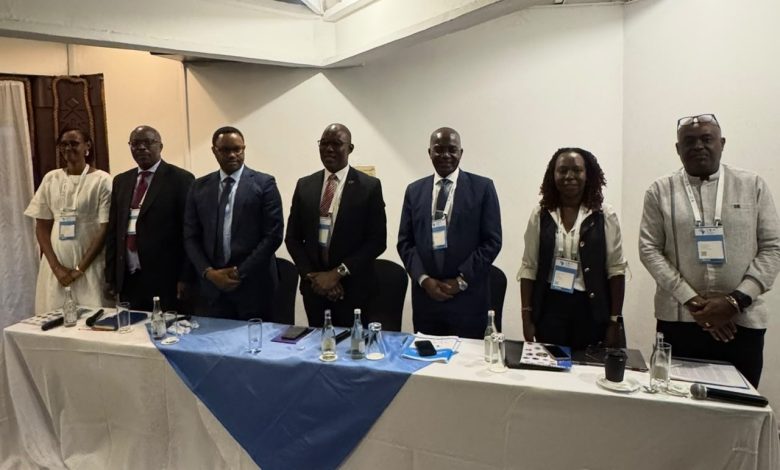
Speaking at the just ended East Africa CEOs and Investment Forum 2026 during a breakout session on Transport, Trade and Logistics, Mr Mdinka said transport connectivity was inseparable from the region’s ambitions to expand tourism.
“Affordable and reliable transport connectivity can unlock tourism opportunities that currently remain out of reach,” he said.
Chief Executive Officer of the Private Sector Foundation Uganda (PSFU), Stephen Asiimwe said the 2027 Africa Cup of Nations, which will be jointly hosted by Tanzania, Kenya and Uganda, would provide a major test of the region’s ability to move visitors efficiently across borders.
“AFCON will test our transport and logistics systems because football fans will want to watch football matches from Uganda to Tanzania or Kenya to Uganda,” Mr Asiimwe said.
He added: “If our transport systems are not harmonised, the cost and complexity of moving across borders could become a major constraint on the tourism opportunity created by the tournament.”
Mr Asiimwe said high airfares within East Africa were limiting both domestic and regional tourism.
“Flight within the region is ridiculously expensive,” he said.
He added: “It restricts travel within the region and can make tourism almost impossible or super expensive.”
Mr Mdinka said more affordable regional connections could create new weekend tourism markets, particularly by linking landlocked and inland markets with the Indian Ocean coast.
“Uganda, Rwanda and Burundi need weekend beach excursions,” Mr Mdinka said.
He said improved connectivity could also make it easier for travellers from Tanzania and Kenya to visit Kigali and Kampala, while opening wider tourism opportunities for travellers from the Democratic Republic of Congo and Somalia, where connectivity remains particularly challenging.
Some travellers, he said, are forced to rely on lengthy road journeys to reach other destinations within the region.
The economic benefits of better connectivity would extend beyond airlines, Mr Mdinka said, encompassing hotels, tour operators, restaurants, events companies and other businesses across the tourism value chain.
He also identified water transport as a potential investment opportunity, particularly across Lakes Victoria, Tanganyika, Nyasa and Albert, as well as major rivers in the region.
“Water transportation can be another venture to provide new responsible tourism products,” he said.
Lake and river transport, he said, could support passenger services, tourism cruises, island excursions and new tourism circuits connecting communities and destinations that are currently difficult to access.
Against this backdrop, SATEP is seeking to link its sports events with a broader tourism and economic development agenda around the Lake Victoria Basin.
The organisation plans to launch the Serengeti Safari Marathon initiative under the theme “Unlocking Blue Green Tourism Economy” at Ukerewe Island on Saturday, October 24, 2026. The main Serengeti Safari Marathon is scheduled for Saturday, November 14, 2026, in Serengeti National Park.
Mr. Mdinka said the initiative would use responsible active tourism to connect sport, conservation, community livelihoods and tourism investment around the Lake Victoria Basin.
“The future of tourism is not only about destinations; it is also about creating experiences that connect guests with nature, reimagine community advancement, promote healthy lifestyles and support sustainable economic development,” he said.
The push comes as East African governments and businesses seek to deepen regional integration and expand intra-regional trade and travel.
Mr. Mdinka said transport, logistics and infrastructure should be viewed as integral components of the tourism economy rather than as separate sectors.
“A more connected East Africa would allow us to sell multi-country tourism experiences instead of individual destinations,” he said.
He said AFCON 2027 could serve as a catalyst for longer-term improvements in regional connectivity, creating infrastructure and travel systems capable of supporting tourism beyond the tournament.
“AFCON should not only be seen as a football tournament,” Mr Mdinka said.