

Make cleanliness culture, not campaigns alone
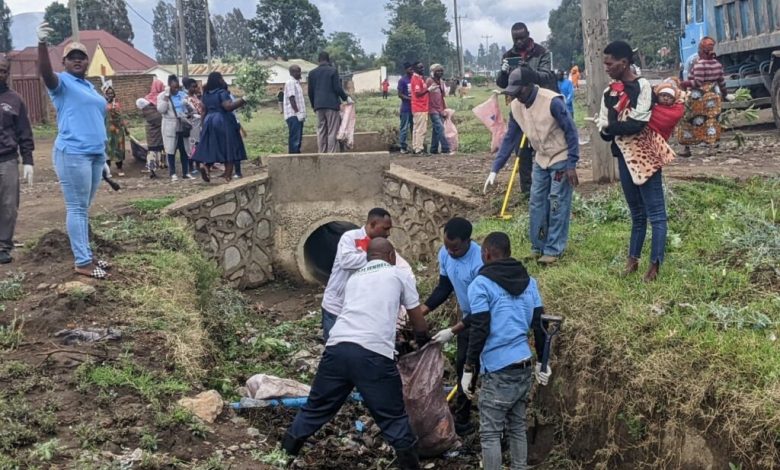
DAR ES SALAAM: THE government deserves recognition for the visible efforts to improve cleanliness along roads, clear blocked drainages, remove rubbish and eliminate heaps of soil piled beside roadways. These actions are particularly timely as Tanzania prepares for the coming rainy season. Here, the Tanzania Meteorological Authority has warned that the 2026 Vuli season will be significantly influenced by a strong El Niño, with above-normal to normal rainfall expected in several areas and possible flooding in some locations.
The immediate results of this work are encouraging. Drainages that were previously obstructed can now carry flowing water, while accumulated rubbish and soil have been removed from some road edges and drainage channels. Such practical interventions can help reduce avoidable water stagnation, improve road conditions and make urban and periurban environments cleaner and safer. They also demonstrate the value of government institutions, local authorities, road agencies and communities acting before heavy rains arrive rather than waiting for damage to occur.
However, the central lesson should go beyond preparation for one rainy season. Cleaning drainage systems, maintaining road reserves and removing rubbish should be routine responsibilities, not emergency campaigns triggered by forecasts of heavy rain. If drains are cleaned only when El Niño or another severe weather threat approaches, authorities risk returning to the same cycle of blockage, flooding, costly repairs and disruption.
That is why maintenance must become continuous. Government agencies and other stakeholders should establish regular inspection and cleaning schedules, promptly remove illegally dumped waste and ensure that soil excavated during construction or other works is not left to obstruct drainage channels. Communities, businesses and property owners must equally understand that public cleanliness cannot be left entirely to government.
Most importantly, cleanliness must become a culture among Tanzanians. Throwing rubbish into drains, roadsides and open spaces ultimately creates costs and risks for everyone. Government and stakeholders should therefore intensify public education, explaining clearly how proper waste disposal, clean surroundings and unobstructed drains protect homes, roads, businesses, public health and the environment.
A cleaner Tanzania is not created by seasonal mobilisation alone; it is built through daily discipline, shared responsibility, enforcement, education and sustained public participation everywhere and consistently practised.
With this in mind, the current campaign is welcome and deserves appreciation. But its greatest success will not be measured by how clean roads become before the rains; it will be measured by whether that cleanliness is maintained after the rains, throughout the year and forever as Tanzanians culture.

Hmm it seems like your site ate my first comment (it was super long) so I guess I’ll just sum it up what I had written and say, I’m thoroughly enjoying your blog. I too am an aspiring blog writer but I’m still new to everything. Do you have any suggestions for novice blog writers? I’d really appreciate it.