Tanzania insists on empowering women farmers for their key role in food production, environmental conservation
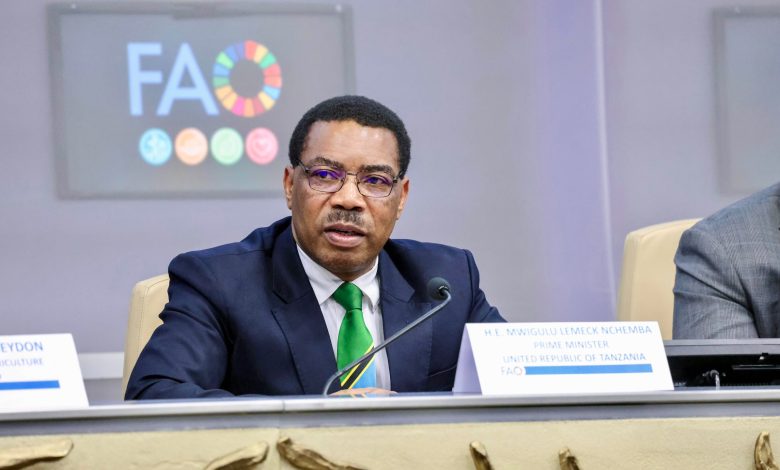
ROME: PRIME Minister Mwigulu Nchemba has said empowering women farmers is a critical investment in advancing the One Health approach, given their central role in food production, livestock keeping, nutrition, animal health, food security and environmental conservation.
Dr Mwigulu made the remarks while addressing a high-level session on the International Year of the Woman Farmer 2026, held under the One Health theme at the Sheikh Zayed Centre, the headquarters of the Food and Agriculture Organization of the United Nations (FAO) in Rome, Italy.
“Women are not at the margins of food and agricultural systems; they are at the centre of them. Empowering women is an investment not only in agriculture, but also in One Health,” he said.
He said Tanzania is led by President Dr Samia Suluhu Hassan, the first female president in the country’s history, noting that women play a significant role in food production and agricultural development.
Despite their contribution, however, Dr Mwigulu said women continue to face various challenges, including limited access to land, finance, technology, extension services, markets and decision-making opportunities.
He said the government is continuing to empower women and young people through the Building a Better Tomorrow (BBT) programme, which aims by 2030 to create 1.6 million jobs, support 200,000 youth- and women-owned agribusinesses and benefit approximately 10 million people across 12,000 villages.
ALSO READ: Empowering women and advancing sustainability
According to the Prime Minister, by June 2026, 1.59bn/-, equivalent to approximately US$601,000 US dollars, had been disbursed to 47 beneficiaries, of whom 17, or 36 per cent, were women.
He added that through the BBT programme, the government had deployed 2,282 young agricultural extension officers across 22 regions. The officers have reached approximately 765,600 smallholder farmers in 5,856 villages, providing advisory services and training on good agricultural practices.
Dr Mwigulu also said the government is investing in water projects and climate change adaptation measures. So far, 395 solar-powered boreholes incorporating climate-resilient technologies have been drilled in 234 villages across 45 districts.
He said the initiatives are part of broader efforts to improve the production environment and reduce challenges facing farmers, particularly women in rural areas.
In another initiative, the Prime Minister said the government is supporting women and young people to move beyond primary production and participate in higher-value activities across agricultural value chains.
He said 408 women and young people had received training in sisal value addition, an initiative aimed at increasing their participation in agricultural value chains and expanding income-generating opportunities.
“This investment is not only an investment in agriculture; it is an investment in One Health,” he stressed.
Dr Nchemba said women should be recognised not merely as beneficiaries, but also as producers, innovators, entrepreneurs and decision-makers.
He called for stronger policies and investment to enable women to access land, finance, technology, water, extension services and markets, thereby strengthening their contribution to food and agricultural systems.
He said Tanzania is ready to work with FAO and other stakeholders to ensure that the International Year of the Woman Farmer delivers tangible and lasting outcomes beyond 2026.
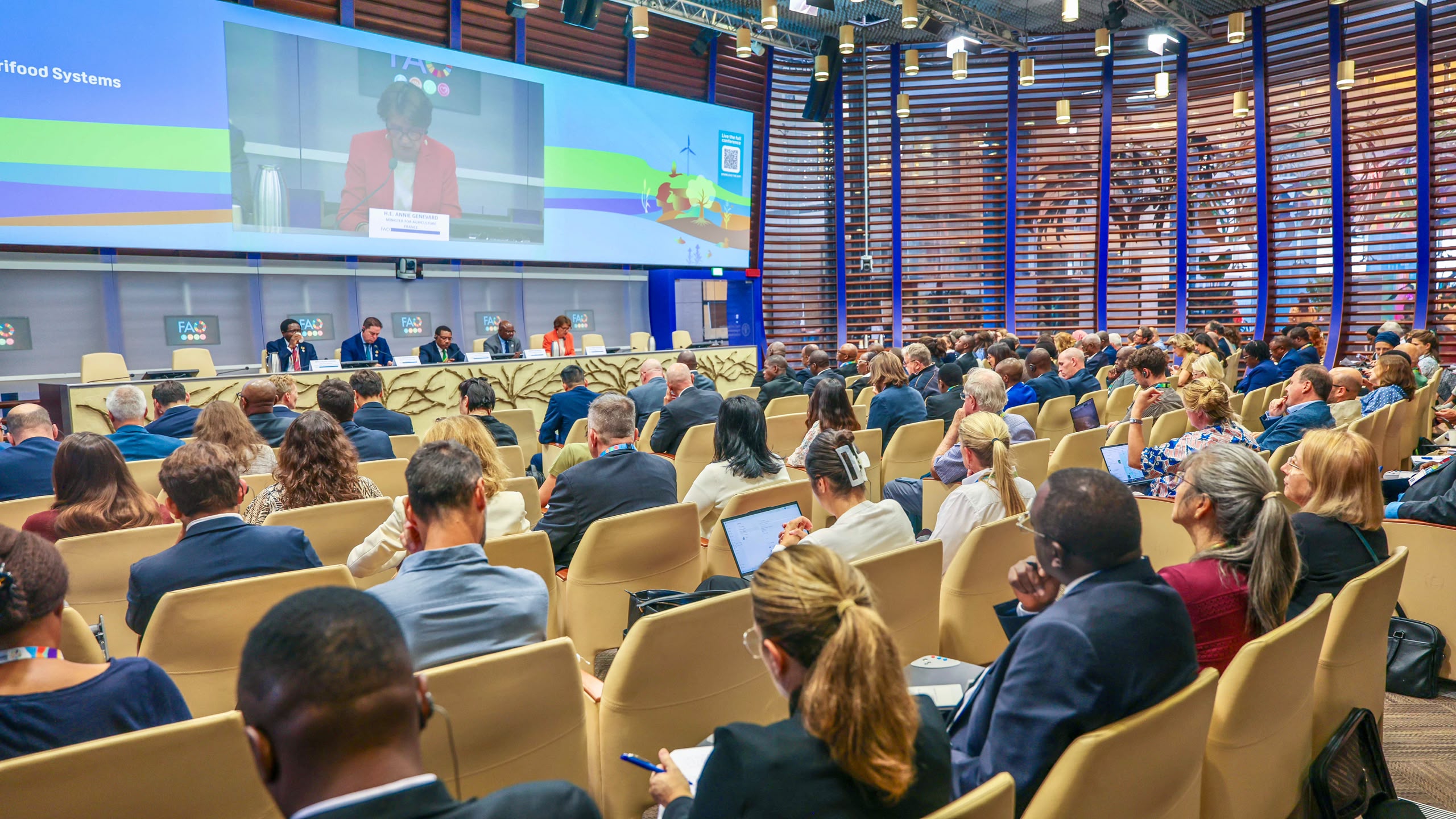
Sharing his experience during the panel discussion, International Livestock Research Institute (ILRI) Director General Dr Appolinaire Djikeng said women, particularly women livestock keepers, already play a critical role in implementing the One Health approach.
He said women make daily decisions concerning livestock health, water safety, household nutrition and the use of natural resources. Failure to recognise their role, he noted, could undermine efforts to control diseases transmitted from animals to humans.
Dr Djikeng further said gender analysis should not be treated as an issue to be added at the final stages of One Health implementation, but should instead be incorporated into planning from the outset.
He stressed the importance of allocating adequate resources, including funding and human resources, to enable women to participate fully in leadership and decision-making on matters related to health, livestock, agriculture and food systems.