Port’s record should translate into wider economic gains
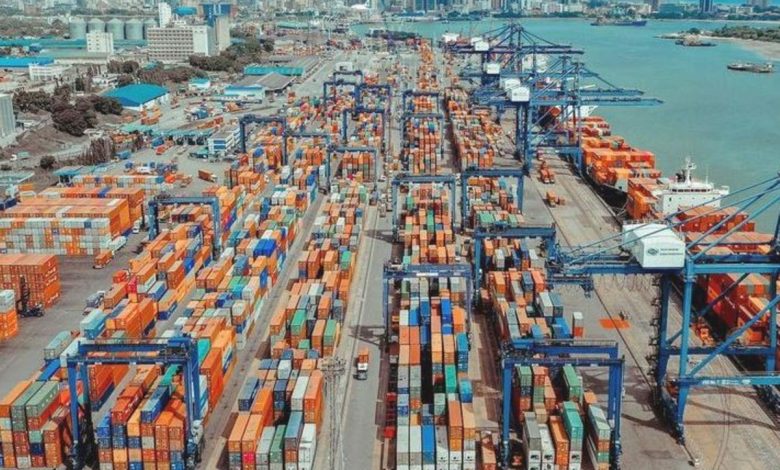
DAR ES SALAAM: THE Dar es Salaam Port’s record handling of 138,000 containers in a single month is a welcome development and a clear indication that investment in critical infrastructure is capable of producing significant economic results.
The achievement, compared with monthly volumes of between 50,000 and 60,000 containers in 2021, demonstrates a remarkable improvement in the port’s capacity and operational efficiency.
For Tanzania, the significance of this milestone goes beyond the numbers.
Dar es Salaam Port is a major gateway for Tanzania and several landlocked countries in the region.
Its ability to handle more cargo efficiently can strengthen the country’s position as a regional trade and logistics hub, while contributing to increased government revenue, employment and economic activity.
The reported increase in annual cargo handling to 39.8 million tonnes, against a target of 28 million tonnes in the 2025/26 financial year, further underlines the progress being made.
Equally encouraging is the reduction in ship waiting time from about 46 days to around seven days.
Faster turnaround means lower costs for shipping companies and traders and, ultimately, a more competitive trading environment.
However, these achievements should not become an excuse for complacency.
ALSO READ: Dar Port expansion boosts Tanzania’s regional trade, logistics drive
Higher cargo volumes must be matched by continued improvements in efficiency, transparency and coordination.
Delays related to documentation and other operational procedures should be addressed decisively.
A modern port must not only have adequate berths and equipment; it must also have efficient systems that allow cargo to move quickly from the quay to its final destination.
The government’s reported investment of about 3tri/- in port expansion is therefore justified if it delivers lasting improvements.
Plans to increase the number of berths, together with the development of additional infrastructure, should be implemented carefully, transparently and in line with projected trade demand.
The proposed integration of the port with the Standard Gauge Railway is particularly important.
Efficient rail connections to inland markets such as Morogoro and Dodoma will significantly reduce congestion on roads, lower transportation costs and improve the movement of goods across Tanzania and into neighbouring countries.
At the same time, preparations for Bagamoyo Port should complement, rather than undermine, the development of Dar es Salaam Port.
Tanzania needs a coordinated national port strategy that maximises the strengths of each facility.
Most importantly, the benefits of increased port activity must reach ordinary citizens. Greater trade and investment should translate into better jobs, improved public services and higher household incomes.