Kidney donation offers hope to Tanzanians living with chronic kidney disease
DAR ES SALAAM: FOR a patient whose kidneys have stopped working, life can quickly become a routine of hospital visits, medical tests and regular dialysis sessions as the search for a more lasting solution continues.
For families, watching a loved one undergo dialysis can be painful, particularly when they know that kidney transplantation could offer a different path but finding a suitable donor is not always easy. Behind the machines and hospital procedures is a condition that often develops quietly, with few noticeable symptoms in its early stages.
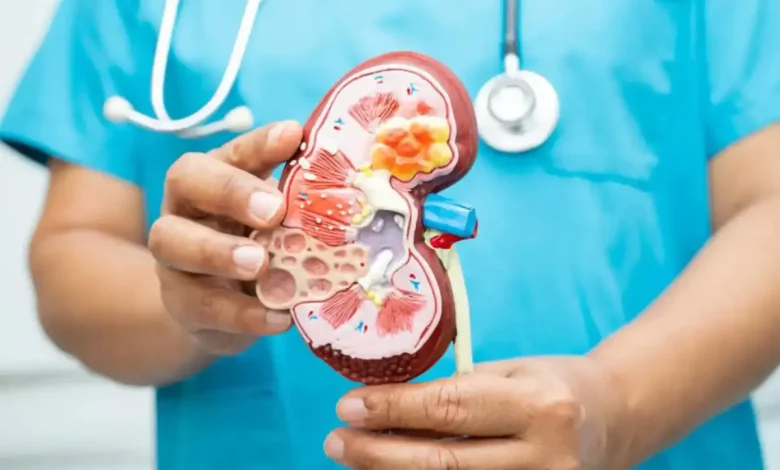
The kidneys perform several essential functions, including filtering waste and excess fluid from the blood, helping regulate blood pressure and maintaining the body’s chemical balance. When the kidneys become progressively damaged and lose their ability to perform these functions, a person may develop chronic kidney disease (CKD), which can eventually progress to kidney failure.
Globally, the burden of CKD is substantial. Global Burden of Disease estimates indicate that about 674 million people were living with CKD in 2021, making it a major global health challenge. Tanzania is also facing the burden, although the country does not have a recent nationally representative population-based estimate that can provide one definitive figure for all people living with CKD.
A population-based study conducted in Northern Tanzania found CKD among seven per cent of adults screened, while awareness of the condition was only 10.5 per cent. The findings also showed a marked difference between urban and rural participants, with CKD prevalence higher among those living in urban areas.
The figures suggest that kidney disease may affect more people than those who reach hospitals for treatment, particularly because the condition can remain undetected until kidney function has significantly deteriorated. For those who eventually develop kidney failure, treatment may include dialysis or kidney transplantation, depending on their medical condition and suitability for transplantation.
According to Dr Immaculate Goima, a kidney specialist at Muhimbili National Hospital-Mloganzila, dialysis plays an important role in supporting patients whose kidneys can no longer adequately remove waste and excess fluid from the body.
“Dialysis is a temporary treatment. It is a bridge towards definitive treatment, which is kidney transplantation,” she says.
Dialysis uses a machine to perform some of the functions normally carried out by the kidneys, helping remove waste products and excess fluid from the blood. But while dialysis can sustain a patient whose kidneys have failed, transplantation requires a different process, beginning with identifying a suitable donor. Dr Goima says transplantation cannot simply be performed immediately after a patient arrives at hospital because several stages must be completed before a kidney can safely be transferred from one person to another.
“There is a process of finding a donor, carrying out different tests and making sure everything is in order before the patient can receive the kidney,” she says.
This makes the donor an important part of the transplantation process. However, being willing to donate a kidney does not automatically make a person eligible. A potential donor must undergo extensive medical assessment to determine whether donating one kidney would be safe for them and whether the kidney would be suitable for the intended recipient.
Dr Goima says the requirements include meeting the applicable age criteria and being medically fit to donate. In the interview, she cited the applicable donor age range as 21 to 60 years. The potential donor must also be assessed for conditions that could compromise the remaining kidney or their general health.
Among the conditions doctors consider are hypertension, diabetes and infectious diseases such as HIV and hepatitis, particularly Hepatitis B.
ALSO READ: Dar Port expansion boosts Tanzania’s regional trade, logistics drive
“The donor should not have a chronic disease that could later cause problems with the kidneys,” Dr Goima says.
The extensive screening is therefore intended to protect both sides of the transplant process, but particularly the donor, who is otherwise healthy and is undergoing surgery to help another person. A potential donor must also make the decision voluntarily. Dr Goima says kidney donation should not be driven by pressure, coercion or financial promises. A person cannot be persuaded to donate by promises of money, a house or other material benefits.
“We want the donor to be willing to donate without being forced and without receiving payment,” she says.
The principle is important because kidney donation involves surgery and carries responsibilities for the donor beyond the immediate operation. The objective, Dr Goima explains, is to help the recipient without creating another patient. The relationship between the donor and recipient is also considered during the process. Dr Goima says eligible donors may include close relatives, while spouses may also donate to each other if they satisfy the required medical and other conditions.
Simply being a friend of someone with kidney failure, however, does not automatically make a person eligible to donate. Once a potential donor comes forward, doctors begin a series of investigations. The initial assessment includes checking blood pressure, blood sugar and blood group, followed by additional specialised tests.
The blood groups of the donor and recipient are assessed for compatibility before further investigations are conducted.
“The purpose of doing many tests is to make sure that the person donating the kidney remains healthy,” Dr Goima explains.
The screening seeks to establish, as far as medically possible, that the donor can safely live with one kidney after the operation. Doctors therefore look for any signs of disease or other health problems that could put the donor at risk in the future. This careful process is important because the donor is not receiving the transplant for their own treatment. They are giving an organ to someone else.
Once approved, the donor undergoes the operation and is closely monitored during recovery. Dr Goima says that, were recovery proceeds without complications, the donor may remain in hospital for only a few days, with the stay generally lasting up to about three days. After discharge and full recovery, the donor can return to normal life.
Dr Goima says donating one kidney does not mean that a person has to abandon plans for marriage, parenthood or normal employment. A woman who has not previously given birth can still become pregnant and have children, while a man can continue to have children.
Similarly, after recovery and medical clearance, donors can return to their normal work and daily activities. The message is particularly important for people who may fear that donating a kidney automatically means sacrificing their own future. For patients whose kidneys have reached failure, however, the availability of a suitable donor can represent a significant opportunity.
Yet kidney transplantation is not simply a matter of finding someone willing to give a kidney. It requires medical assessment, compatibility testing, protection of the donor, informed consent and careful monitoring of both donor and recipint. At the same time, the growing burden of CKD makes prevention and early detection equally important.
WHO notes that CKD can be detected through relatively simple blood and urine tests, meaning that identifying the disease early can allow treatment to begin before kidney function deteriorates to the point of kidney failure. For Tanzania, strengthening awareness, screening and early management could help reduce the number of patients progressing to advanced kidney disease.
For those who have already reached kidney failure, however, transplantation can provide another possibility beyond long-term dialysis. And for a potential donor, the decision to give one kidney can become one of the most profound acts of support for a loved one, provided it is made freely, after thorough medical assessment and through the proper medical and legal procedures.