

Tanzania reconsiders Child Marriage Law as advocates demand action beyond courtrooms and legal amendments
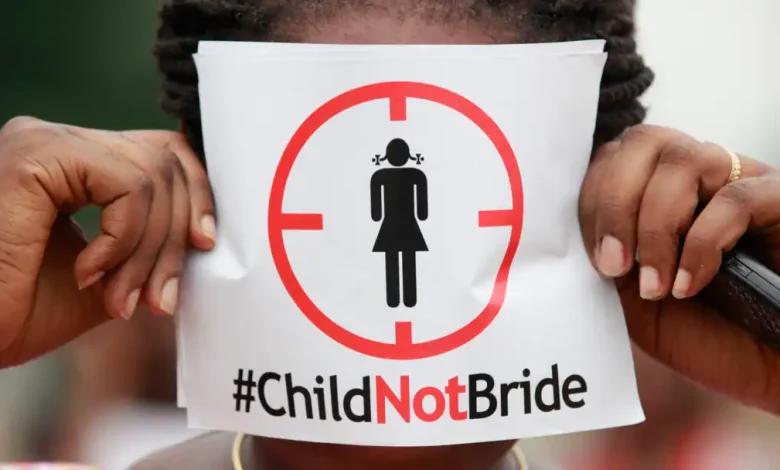
DODOMA: FOR Tanzania’s child marriage debate, the question is no longer whether the law should be reviewed. It is how legal reform can translate into real protection for girls whose lives are shaped by poverty, education gaps, social expectations and weak protection systems.
That question is driving renewed engagement led by the Tanzania Women Lawyers Association (TAWLA), which is bringing government institutions and other stakeholders together to examine reforms to the country’s legal framework on child marriage. The discussions are taking place alongside a broader examination of laws and policies governing children’s protection.
The high-level strategic engagement on “Situational Analysis and Reforms” in Dodoma brought together government institutions, the Commission for Human Rights and Good Governance, the Law Reform Commission, civil society organisations and the media. Its message was clear: changing legislation is important, but it cannot by itself eliminate the conditions that push children into marriage.
UNICEF data show that 29 per cent of women aged 20–24 in Tanzania were married or in union before turning 18. Child marriage is associated with interrupted schooling, early pregnancy, reduced opportunities and exposure to violence, while poverty and social norms can increase the risk.
For TAWLA Executive Director Adv. Tike Mwambipile, the reform process therefore needs to examine the entire system surrounding children. Stakeholders are consulting on proposals to establish 18 as the minimum marriage age, or higher, if possible, while reviewing other provisions of the Marriage Act.
“The issue is not new,” she said, explaining that TAWLA has engaged different stakeholders, including Members of Parliament and is now working directly with institutions responsible for relevant laws and policies. The legal history helps explain why the issue remains central to reform discussions.
Tanzania’s Law of Marriage Act historically permitted a girl to marry at 15 with parental consent and at 14 with court permission, while setting 18 as the minimum age for boys under the relevant provisions. Those provisions were challenged in the landmark Rebeca Z. Gyumi case. In 2016, the High Court declared the provisions permitting girls to marry below 18 unconstitutional and ordered the Government to amend the law.
The Court of Appeal confirmed the decision in 2019. UNICEF has reported that the required amendments have yet to be made. That legal history has shifted attention toward implementation. If legal protection is strengthened, stakeholders must still ask whether girls are protected in classrooms, homes, communities and institutions.
Coordinator of the Tanzania End Child Marriage Network, Irene Nambuo, said stakeholders were seeking to understand why legal reform had taken time and how different laws could be harmonised to create clearer and more consistent protection for children. Tanzania Child Rights Forum Programme Manager Rogasian Massue said the review should also examine different age thresholds contained in laws and policies affecting children and young people. Education emerged as one of the strongest links in the discussion.
Stakeholders proposed working with education authorities and other actors to analyse child-protection provisions throughout the education cycle, including transitions from ordinarylevel secondary education to vocational training, advanced secondary education and other pathways. UNICEF reports that 3.2 million children aged 7–17 in Tanzania are out of school, including 1.2 million who have never attended.
It also reports a net secondary enrolment rate of 27 per cent, while rural and poor girls face higher dropout rates from around age 12. Child marriage is among the factors associated with girls leaving school. This connection makes education central to the reform conversation. A girl who remains in school has a different set of opportunities from one whose education ends prematurely because of marriage.
UNICEF also links child marriage with early pregnancy and school interruption, reinforcing the need to address education alongside legal protection. Participants therefore argued that reform should be accompanied by stronger implementation of existing child-protection and education provisions. Civil society representatives called for comprehensive analysis of current laws and policies, including provisions that already protect girls and children.
The objective is not only to identify legal gaps, but also to strengthen and amplify protections that already exist. This approach could help ensure that reform does not become limited to one amendment while weaknesses elsewhere in the protection system remain. Beyond schools and legislation lies another powerful factor: household economics. Participants identified poverty and limited economic opportunities as conditions that must be addressed if efforts to prevent child marriage are to be sustained.
ALSO READ: What FP-ICGLR’s Dar meeting means for the Great Lakes Region
They proposed greater use of existing economic empowerment programmes and opportunities available through local government authorities, including initiatives supporting young people, women and persons with disabilities. UNICEF’s situation analysis similarly identifies intergenerational poverty and limited education and employment opportunities, particularly for girls and women, among structural challenges affecting children and adolescents.
The emphasis on existing programmes reflects another concern: resources are limited. Rather than creating new structures for every intervention, participants proposed strengthening systems already operating within communities.
Ward and village development committees, religious and traditional leadership platforms, elders’ structures and other community mechanisms were identified as potential channels for awareness, advocacy and child protection. Better use of these structures could reduce duplication and dependence on external funding, while government institutions could consider allocating resources for child protection within national and local government plans.
Community leadership is particularly important because attitudes surrounding marriage are often shaped locally. Participants recommended identifying and training community champions, including local government leaders, councillors, religious leaders and traditional leaders, who can influence attitudes and support efforts to prevent child marriage. For civil society organisations, advocacy should also reach decision-makers and influential people at district and community levels.
This means building a network of people capable of recognising risks, challenging harmful practices, referring children to services and supporting families to pursue alternatives. The proposed approach places the child at the centre rather than treating marriage legislation as an isolated legal issue. It recognises that a law may establish a standard, but schools, families, communities and institutions determine how effectively that standard is experienced in everyday life.
The reform debate also highlights the importance of harmonising Tanzania’s legal and policy framework. Where different instruments establish different age thresholds or protection responsibilities, stakeholders may face uncertainty about which standards apply and how they should be enforced. A clearer framework could help government agencies, communities and service providers work from consistent expectations. Yet legal clarity would still require awareness, resources, monitoring and accountability to become meaningful protection.
The same principle applies to education. Keeping girls in school requires more than encouraging enrolment. It requires pathways that allow them to continue after ordinary-level secondary education, access vocational and advanced secondary opportunities and receive protection when circumstances place them at risk of dropping out. Economic empowerment can reinforce those efforts.
When families and young women have greater access to livelihoods and income opportunities, stakeholders argue, economic pressures that influence decisions about children’s futures can be addressed alongside social and legal factors. The discussions in Dodoma therefore point toward a multi-layered response: reform the law, strengthen education, address poverty, mobilise community leadership and use existing protection structures more effectively. TAWLA’s engagement also demonstrates the importance of bringing institutions together.
Government bodies, rights institutions, civil society and the media each have different roles in understanding the problem, shaping reforms, communicating rights and monitoring implementation. The legal question remains important. Tanzania’s courts have already addressed the constitutionality of provisions permitting girls to marry below 18 and the Court of Appeal confirmed the High Court’s decision in 2019.
The continuing challenge is translating that judicial position into a comprehensive and functioning legal and social protection framework. For advocates, the consultations provide an opportunity to connect the legal debate with the realities facing children. For policymakers, they offer a chance to examine whether existing systems are sufficiently coordinated and resourced.
For communities, the discussions highlight the role local leadership can play in preventing harmful practices and supporting children’s education and wellbeing. The wider lesson is that child marriage cannot be treated as a single-law problem what is written in legislation. It will also depend on whether girls remain in school, whether families can access economic opportunities, whether communities recognise and respond to risks, and whether institutions.
It sits at the intersection of rights, education, poverty, gender expectations, community structures and access to opportunities. As Tanzania considers reforms, the measure of progress will extend beyond what is written in legislation. It will also depend on whether girls remain in school, whether families can access economic opportunities, whether communities recognise and respond to risks and whether institutions enforce protections consistently.
For TAWLA and its partners, the continuing engagement is therefore part of a broader effort to build a system in which legal reform, social protection and economic opportunity reinforce one another. The challenge is substantial, but the direction emerging from the consultations is clear: protecting children requires more than changing words in a law. It requires connecting those words to the schools, households, communities and institutions where children live their daily lives.




I liked the way this article focuses on useful observations instead of trying to cover everything at once. That keeps the discussion focused and easier to remember. A related topic is available on my website for readers who want to explore further.
The overall discussion is easy to follow, but there is enough substance to make it more than just a quick read. I found several points genuinely interesting. My website includes another article on a connected subject for readers who want additional material.