Historic JNHPP commissioning today
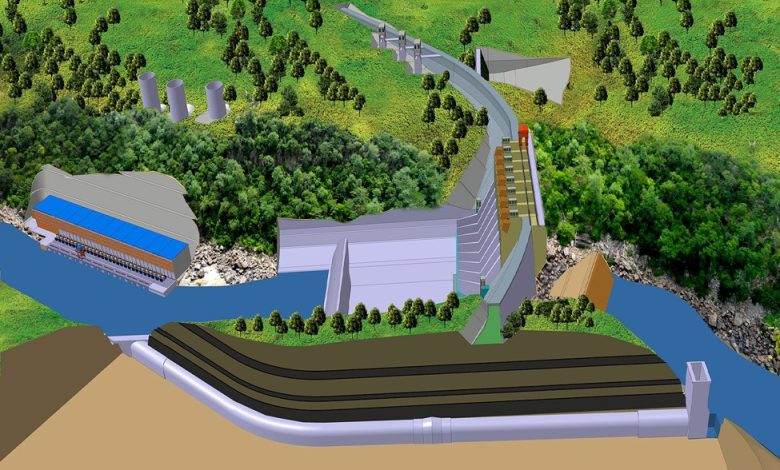
COAST REGION: ALL eyes will be on Rufiji District in Coast Region today as President Samia Suluhu Hassan officially commissions the 2,115-megawatt Julius Nyerere Hydropower Project (JNHPP), a landmark investment expected to transform Tanzania’s energy sector and provide fresh impetus to industrialisation.
The 7.45tri/- project, financed entirely by the government, raises the country’s installed electricity generation capacity to 4,646MW and is regarded as one of the largest strategic infrastructure investments undertaken to strengthen national energy security.
Construction of the project started in June 2019 and was completed in March 2025 under the supervision of Tanzania Electric Supply Company (TANESCO) and the Ministry of Energy.
All nine turbines at the plant have been operational since 2025, with Energy Minister Deogratius Ndejembi saying the project contributed approximately 44.9 per cent of electricity generated on the national grid in the 12 months to May 31, 2026.
“The launch of JNHPP is a historic occasion and a critical step in Tanzania’s journey to build a reliable energy system while also spurring production, investment and economic growth,” Mr Ndejembi said recently.
The minister said increased generation from the project has already helped ease electricity shortages that previously contributed to power rationing, while strengthening the country’s ability to meet growing electricity demand. For businesses and industries, the additional generation capacity is expected to provide greater certainty in production planning and investment decisions.
Akberalis Hardware and Electric Limited Director and Founder, Mr Akberalis Jozer, said the plant’s capacity would be a game-changer for both domestic and industrial electricity demand. He said reliable electricity would enable manufacturers to expand production, create employment and contribute more to government revenue.
“It is much easier to plan the expansion of industries if there is sufficient electricity to run the machines,” Mr Jozer said. Business and Marketing Expert at St Augustine University of Tanzania (SAUT), Mr Medard Wilfred, said adequate power generation will stimulate the growth of small, medium and large industries, while supporting technological advancement and employment creation.
“In any country, electricity is the engine of all development sectors,” he said, noting that reliable power would complement infrastructure such as the Standard Gauge Railway, airports, roads and ports. Coast Regional Commissioner Abubakar Kunenge said electricity supply in the region increased from 118MW in 2022 to 356MW by July 2026, contributing to increased industrial investment.
The region now has more than 1,600 industries, he said, attributing part of the growth to improved electricity supply and infrastructure. Coast Region hosts about 60 per cent of the JNHPP project area, with Morogoro Region accounting for the remaining 40 per cent. Residents said the project created employment opportunities during construction while improving prospects for irrigation, flood control and other economic activities. Rufiji resident Mr Damas Mkinga said many young people secured employment during construction.
“The project has had huge benefits even before completion. We have also seen it helping to control floods in the Rufiji Basin and improving irrigation farming,” he said. For ordinary consumers, the project has raised hopes of more reliable electricity and fewer disruptions to household and economic activities.
Ms Bonita Mwila from Kibaha said reliable electricity would particularly benefit low-income households and small businesses that have been affected by power interruptions.
“We are expecting that supply will be more reliable. We will be free from the pain of frequent power cuts, a challenge that has been affecting economic activities for us ordinary citizens, especially those with low income,” she said. Mr Rogers Kasha of Bagamoyo said reliable electricity would also support industrial expansion and improve the delivery of social services.