Experts push digital literacy for opportunities

DAR ES SALAAM: THE Internet Society Tanzania Chapter has urged citizens to strengthen digital literacy so that rising internet use translates into meaningful opportunities and improved livelihoods nationwide.
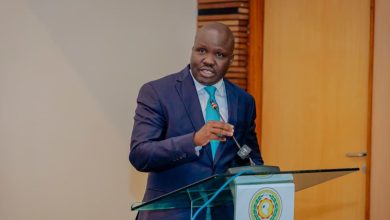
The organisation’s Director, Dr Nazarius Kirama, said effective internet governance requires the participation of government, the private sector, civil society, academia, researchers, experts and ordinary citizens. He stressed that no single group can manage the digital space alone.
Dr Kirama made the remarks during the opening of the School of Internet Governance training, organised by the Internet Society Tanzania Chapter in collaboration with the University of Dar es Salaam’s College of Information and Communication Technology (CoICT) in Dar es Salaam.
He said the two-day programme is designed to equip participants with knowledge of internet governance and enable them to contribute to national, regional and international discussions on how the internet should be managed.
According to Dr Kirama, the training targets not only ICT professionals but all citizens, noting that even ordinary internet users have a role in shaping how the digital space is governed.
“Greater public understanding of internet governance is essential to help Tanzania assess whether existing laws, regulations and guidelines remain relevant and supportive of citizens, particularly young people,” he said.
He also called on stakeholders to intensify efforts to expand digital literacy, noting that the country’s growing population cannot acquire digital skills at the same pace.
ALSO READ: Why broad-based digital literacy is vital
Stronger digital literacy, he added, will enable citizens to harness the internet for opportunities and contribute to generating useful local content.
A lecturer at the University of Dar es Salaam CoICT, Dr Joseph Moshi, said the training is crucial in preparing young Tanzanians to benefit from emerging digital opportunities.
He said the university is partnering with the Internet Society Tanzania Chapter to help young people understand developments in the global technology landscape and ensure academic programmes remain aligned with industry demands.
Dr Moshi added that the university is also reaching young people beyond formal academic settings through programmes that offer practical digital skills, including online content creation.
Such initiatives, he said, are helping young people build creativity, grow audiences and generate income through digital platforms.
Meanwhile, Prof Cosmas Mnyanyi of the Open University of Tanzania called for stronger measures to ensure people with disabilities are not left behind in the country’s digital transformation.
He noted that technology has already helped some visually impaired individuals overcome barriers to education and employment, but stressed the need for Digital Inclusion Hubs across the country.
“These hubs can train young people with disabilities and empower them to train others,” he said.
Prof Mnyanyi also urged the development of accessible digital applications, learning tools and technologies, including Kiswahili-based solutions, to make digital opportunities more inclusive.