When drugs threaten Ukerewe’s youth, the district’s future is at stake
MWANZA: ACROSS Ukerewe District, the future of many young people is closely tied to the choices they make today. In a community where agriculture, fishing, livestock keeping, entrepreneurship and small businesses provide livelihoods, young people represent an important source of labour, creativity, innovation and ambition. But that potential faces a growing threat from drug abuse and the illicit drug trade, a challenge capable of undermining individual lives and weakening the social and economic foundation of entire communities.
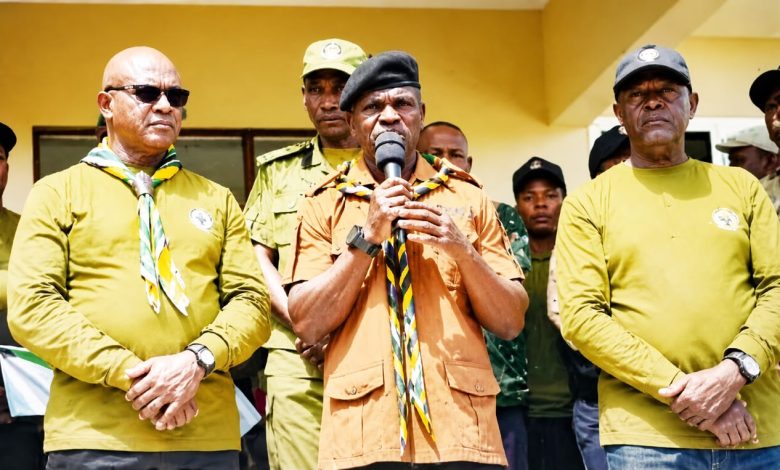
It was against this backdrop that Uhuru Torch Leader Mr Wazo Mwang’onda called on young people in Ukerewe District, Mwanza Region, to stay away from drug abuse and illegal drug-related activities during his recent inspection and launching of development projects in the district.
His warning was not simply about the dangers of taking drugs. It was about what can be lost when a young person’s health, ambition and ability to work are gradually consumed by substance abuse.
Mr Mwang’onda said young people have enormous potential to contribute to the development of their families and communities, but that potential can be undermined when they become involved in drug use and other unlawful activities. Drug abuse can affect health, reduce productivity, cause disability and, in some cases, result in death. For a generation expected to participate actively in entrepreneurship and other income-generating activities, the consequences can be particularly damaging.
The danger extends beyond the individual. When a young person who could have contributed to a household income becomes unable to work because of drug-related illness or disability, the effects can be felt throughout the family. Lost productivity can also affect communities and the wider local economy.
Ukerewe’s economic life depends heavily on activities in which young people play a central role. Agriculture, fishing, livestock keeping and small-scale businesses require energy, discipline, creativity and commitment. Drug abuse can weaken these qualities, making it harder for young people to pursue their ambitions and contribute meaningfully to economic development.
But the problem is not limited to drug users. Mr Mwang’onda also directed district authorities to intensify efforts to identify and take action against people involved in the production, distribution and use of illegal drugs.
Of particular concern is the cultivation of marijuana in parts of the district. According to Mr Mwang’onda, some individuals allegedly take advantage of Ukerewe’s geographical characteristics, including its islands, to conceal illegal activities.
That concern places a clear responsibility on local authorities and law-enforcement agencies. The district’s islands and other areas must not become places where illegal drug activities can operate beyond effective monitoring. Stronger surveillance, enforcement and community cooperation are necessary to prevent such activities from taking root.
Yet enforcement, important as it is, cannot be the only answer. Drug abuse is also a social challenge requiring families, schools, community leaders, authorities and young people themselves to work together.
Parents and guardians have an important role in guiding children and recognising warning signs of harmful behaviour. Open communication can make it easier for young people to discuss pressures and problems before they develop into serious difficulties. Community leaders, meanwhile, can strengthen awareness and encourage residents to report unlawful activities rather than allowing silence to protect those involved.
Young people should also be part of the solution. They need accurate information about the consequences of drug abuse, but they also need realistic opportunities to build productive lives. Education, skills training, entrepreneurship opportunities and access to support can give them alternatives to destructive behaviour.
This connection between social wellbeing and development was also visible during Mr Mwang’onda’s visit to Hamukoko Health Centre, where he laid the foundation stone for an outpatient building and a waste incinerator.
The project is being implemented at a cost of 250 million shillings through Central Government funding for the 2025/26 financial year. Once completed, it is expected to strengthen the health centre’s ability to serve residents of Hamukoko and surrounding areas.
For communities, the significance of the project lies in bringing essential services closer to people who need them. Previously, residents requiring some services had to travel to Nansio Ward, creating additional difficulties for patients, particularly those needing timely medical attention. The new outpatient facility is expected to reduce that burden and improve access to healthcare for residents of Hamukoko and Ngoma Ward.
The waste incinerator adds another important dimension. Medical waste must be handled properly to protect patients, health workers and surrounding communities. Effective waste management is therefore part of maintaining a safe and functional healthcare system.
Taken together, the drugabuse warning and investment in health infrastructure point to a broader development reality: Communities cannot fully benefit from public investment if their people are unable to participate productively in economic and social life.
ALSO READ: Winning the fight against drug abuse begins at home
A new health facility can bring services closer to residents, but a healthy population is also needed to make the most of economic opportunities. Similarly, efforts to control drug abuse are more likely to succeed when young people have access to education, employment, entrepreneurship and other legitimate pathways for building their futures.
This is particularly important in Ukerewe, where communities are spread across islands and mainland areas. Addressing social challenges requires sustained cooperation between residents and authorities, as well as awareness that local circumstances can create opportunities for illegal activities if monitoring and community vigilance are weak.
District Commissioner Mr Christopher Ngubiagai said the local administration would work on the instructions issued during the visit.
That places the responsibility for follow-up firmly within the district’s continuing efforts to safeguard young people, strengthen law enforcement and ensure development projects serve their intended purpose.
Ultimately, the issue confronting Ukerewe is larger than drug abuse alone. It is about protecting the capacity of a generation to participate in building its own future. Young people are central to the district’s economic and social progress.
Their involvement in agriculture, fishing, livestock keeping, entrepreneurship and other productive activities can improve household incomes and create opportunities for others.