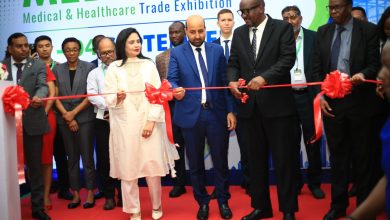
Massive investment accelerates healthcare modernisation in Tanzania

Dar es Salaam: Tanzania is rapidly positioning itself as one of East Africa’s emerging healthcare investment destinations, with hospitals and healthcare providers increasing spending on medical equipment, pharmaceuticals, laboratory technologies and digital healthcare solutions as demand for quality healthcare services continues to rise.
Driven by population growth, urbanisation, an expanding middle class and ongoing public and private investment, healthcare facilities across the country are modernising their infrastructure while introducing technologies that improve clinical outcomes, operational efficiency and patient experience. From advanced diagnostic imaging and laboratory equipment to electronic medical records, pharmacy automation and connected healthcare systems, hospitals are embracing innovation to strengthen healthcare delivery.
Industry forecasts indicate that Tanzania’s pharmaceutical market will continue its upward trajectory over the coming years, reflecting growing demand for medicines, specialised treatments and healthcare technologies. This growth is creating opportunities for healthcare providers to expand services while encouraging greater investment in hospital infrastructure, medical devices and supply chain capabilities.
Healthcare transformation is not taking place in isolation. Across East Africa, governments are implementing reforms that are reshaping healthcare financing and service delivery. Kenya’s rollout of the Social Health Authority (SHA), Ethiopia’s continued expansion of Community-Based Health Insurance (CBHI) and ongoing investment in Uganda’s healthcare infrastructure are collectively driving demand for modern medical technologies and creating a more integrated regional healthcare market.
As healthcare systems evolve, procurement has become increasingly strategic. Hospital executives are expected to invest in technologies that improve efficiency, strengthen diagnostics, optimise inventory management and support data-driven decision-making. The ability to evaluate multiple suppliers, compare innovations and establish long-term commercial partnerships has become essential for healthcare organisations planning future investments.
These priorities will take centre stage at World Health Expo (WHX) Nairobi, taking place from 16–18 September 2026 at the Kenyatta International Convention Centre (KICC).
Celebrating its 10th edition, WHX Nairobi—formerly Medic East Africa—is expected to welcome more than 5,500 healthcare professionals, including hospital executives, procurement managers, clinicians, distributors and policymakers. More than 200 exhibitors from over 30 countries will showcase the latest developments across medical devices, imaging, laboratory technology, digital health, rehabilitation, healthcare infrastructure and infection prevention.
The event has experienced significant year-on-year growth, with exhibition space expanding to 4,500 square metres, an 81% increase, while exhibitor numbers have grown by 22%. Previous editions generated an estimated USD 84.19 million in business, reflecting the exhibition’s role as a leading commercial platform for healthcare investment in East Africa.
For Tanzanian healthcare providers, the exhibition provides an opportunity to engage directly with global manufacturers and regional distributors while exploring technologies that support hospital expansion, improved patient care and operational excellence. Healthcare leaders will also gain insight into emerging trends in artificial intelligence, digital diagnostics, connected healthcare, laboratory automation and sustainable healthcare infrastructure.
The exhibition comes at a time when healthcare organisations across the region are increasingly prioritising resilience and long-term planning. Supply chain reliability, workforce efficiency, preventive healthcare and digital transformation have become central considerations for hospital boards seeking to improve service delivery while managing rising operational costs.
According to the World Bank and the World Health Organization, healthcare expenditure across sub-Saharan Africa continues to grow but remains below international benchmarks, highlighting the need for greater investment in healthcare infrastructure, medical technologies and innovative healthcare delivery models. As governments and private investors continue to strengthen healthcare systems, regional collaboration will play an increasingly important role in accelerating access to quality care.
“Healthcare providers across East Africa are making strategic investments that will shape the future of healthcare delivery for years to come,” said Dr Janki Chauhan, Chairperson of MEDAK. “Hospitals are looking beyond individual purchases towards integrated solutions that improve efficiency, strengthen diagnostics and support better patient outcomes. WHX Nairobi provides an important regional meeting point where healthcare leaders can evaluate innovations, build partnerships and identify technologies that respond to the changing needs of patients and healthcare systems.”
Tom Coleman, Portfolio Director – Healthcare, Informa Markets, said the exhibition reflects the growing importance of regional collaboration in healthcare development.
“Healthcare challenges increasingly require regional solutions,” Coleman said. “Hospitals across Tanzania and neighbouring countries are investing in similar technologies and facing many of the same operational priorities. WHX Nairobi creates a platform where healthcare providers, suppliers and innovators can connect, exchange knowledge and develop partnerships that strengthen healthcare across East Africa.”
He added that WHX forms part of a wider African healthcare portfolio that includes events in Nairobi, Lagos and Johannesburg, connecting international manufacturers with healthcare buyers and distributors across the continent.