Twiga Stars’ WAFCON exit not end of the road
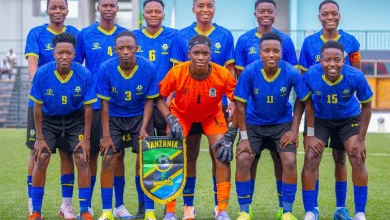
DAR ES SALAAM: TWIGA Stars may have bowed out of the Women’s Africa Cup of Nations (WAFCON) in Morocco, but Tanzania should not view the campaign as a failure.
Their elimination from the group stage is undoubtedly disappointing. After making a strong start by defeating the 2022 champions, South Africa, expectations naturally rose. The subsequent defeats to Burkina Faso and Ivory Coast ultimately ended their hopes of reaching the quarter-finals. But results alone should not define Tanzania’s assessment of the tournament.
The victory over South Africa was a significant moment for Tanzanian women’s football. It demonstrated that Twiga Stars can compete with some of the continent’s strongest sides when given the opportunity and preparation to do so.
More importantly, it gave the team and its supporters something that cannot easily be measured in points or goals: belief. That belief should now become the foundation for the future. Twiga Stars’ campaign also exposed areas that need attention.
The team must become more consistent, particularly when facing opponents of a similar level. There is also a need to improve game management, defensive organisation and the ability to turn promising opportunities into goals. These shortcomings, however, should not be reasons for discouragement.
They should be treated as a clear roadmap for improvement. The real danger would be for Tanzania to allow the WAFCON experience to fade once the team returns home. That would waste one of the most valuable opportunities the tournament has provided.
ALSO READ: Unions told to strengthen democracy, social dialogue
The Tanzania Football Federation (TFF), clubs, sponsors and other stakeholders should now work together to give women’s football greater and sustained support. This means strengthening domestic competitions, developing young players, improving coaching, providing better training facilities and ensuring that the national team plays regular high-level international matches.
Success at this level cannot be built around a single tournament. It requires a long-term programme that develops players from grassroots level and gives them opportunities to compete regularly against strong opposition.
Twiga Stars have shown that Tanzania has talent capable of competing on the African stage. What is needed now is investment and planning to ensure that such competitiveness becomes consistent.
The team may not have reached the knockout stage in Morocco, but it has returned with something important: evidence that Tanzania can challenge the best.
We should not dwell on what was lost, but to build on what was gained. Twiga Stars’ WAFCON journey should therefore be regarded not as the end of a campaign, but as the beginning of a more ambitious chapter for Tanzanian women’s football.