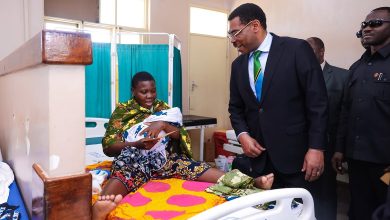
Tanzania-US health partnership seen as model for Africa’s future cooperation

DAR ES SALAAM: Tanzania’s decision to enter a five-year health partnership with the United States is drawing increasing attention across Africa, with analysts describing the agreement as a potential model for balancing international investment with national sovereignty and long-term development priorities.
The agreement, announced in July, commits the United States to invest more than US$1.3 billion in Tanzania’s health sector through 2030, while the Tanzanian government has pledged to increase domestic financing to strengthen the country’s healthcare system.
The partnership targets key areas including HIV/AIDS, tuberculosis, malaria, maternal and child health, disease surveillance, laboratory services and digital health infrastructure, while seeking to improve the country’s overall health system capacity.
Health experts say the agreement reflects a broader shift in international development cooperation, moving away from traditional donor-recipient arrangements towards partnerships that place greater emphasis on domestic investment, institutional strengthening and long-term sustainability.
For decades, much of Africa’s healthcare financing relied heavily on external assistance. However, development partners, including the United States, are increasingly encouraging recipient countries to assume greater responsibility for financing and managing their own health systems while foreign support focuses on building long-term capacity.
Officials say the Tanzania-US partnership is intended to modernise critical health infrastructure and improve the country’s preparedness for future public health emergencies through stronger institutions and increased local investment.
Despite its anticipated benefits, the agreement has generated debate over issues of transparency, sovereignty and the management of strategic health resources.
Modern health partnerships increasingly involve digital health platforms, disease surveillance systems, genomic research and large volumes of health data, making questions surrounding ownership, governance and protection of health information increasingly important.
Responding to public concerns, Minister for Health Mohamed Mchengerwa said Tanzania had not signed any agreement allowing unrestricted sharing of biological specimens with the United States, maintaining that such materials remain under the country’s jurisdiction and are protected by national legislation.
ALSO READ: Tanzania-US health pact signals shift from aid to strategic partnership
Policy analysts have nevertheless called for greater transparency, arguing that publication of the full memorandum would enable researchers, legal experts and civil society organisations to independently assess provisions relating to data governance, scientific research and intellectual property.
Observers note that the debate mirrors broader discussions taking place across Africa as governments seek to attract foreign investment while maintaining greater control over national development priorities.
Global competition for partnerships in sectors such as healthcare, technology, infrastructure and energy has intensified in recent years, prompting African countries to negotiate agreements that deliver investment while protecting national interests.
Supporters of the Tanzania-US partnership argue that strategic international cooperation remains essential for addressing financing gaps, provided agreements strengthen local institutions, promote technology transfer and build domestic expertise capable of sustaining healthcare services beyond the period of external funding.
Others maintain that financial investment must be accompanied by strong governance, public accountability and effective parliamentary oversight to ensure that international partnerships command public confidence and safeguard national interests.
Analysts say the implementation of the agreement will determine its long-term success, with its impact likely to be measured not only by the scale of investment but also by improvements in healthcare delivery, institutional capacity and Tanzania’s ability to maintain full control over its strategic health resources.
They add that the partnership could ultimately serve as a reference point for future agreements between African countries and international partners as the continent seeks to strengthen healthcare systems while preserving sovereignty and advancing sustainable development.