Quality seeds, Dutch technical knowhow power up Tanzania’s horticulture, potato farming
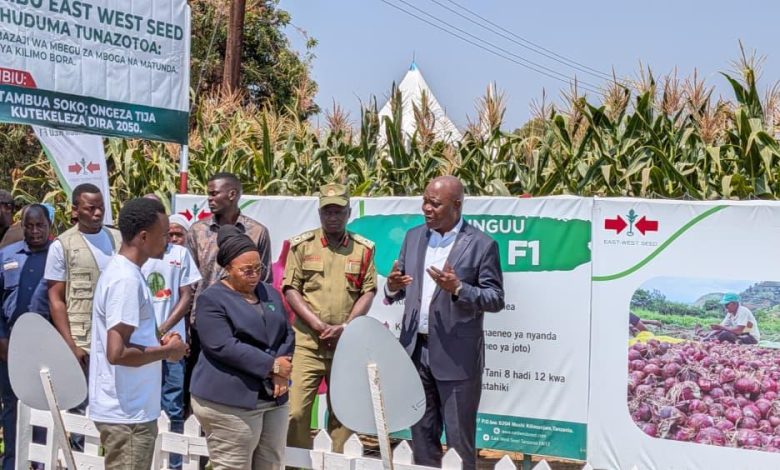
DAR ES SALAAM: AS Tanzania celebrates Nane Nane Agricultural Exhibition Week, a quiet transformation is unfolding across the country’s farms, where stronger partnerships, improved seed systems and practical technical knowledge are helping potato and horticulture growers achieve better harvests, higher-quality produce and stronger links to reliable markets.
For many farmers, these changes represent a significant departure from years of struggling with limited access to certified seed, inadequate farming skills, weak producer organisations and uncertain markets.
Through collaboration between research institutions, seed companies, development organisations and agribusiness partners, farmers are gaining the tools and confidence needed to improve productivity while building more sustainable farming enterprises.
Agricultural Growth Corridor of Tanzania (AGCOT) Project Manager Abdallah Msambachi says long-standing challenges have been addressed through an integrated approach that combines improved seed systems with practical training and market connections.
According to him, farmers previously faced persistent obstacles, including shortages of certified seed, limited technical knowledge, weak farmer organisations and unstable markets.
Support from value-chain partners has focused not only on supplying quality seed but also on equipping farmers with the knowledge required to manage crops effectively and improve productivity.
Among the organisations contributing to this progress is HZPC, a Dutch company operating in Tanzania that has expanded farmers’ access to certified, high-quality potato seed.
Alongside seed supply, the company provides training in seed management, crop husbandry, disease control and productivity improvement.
Farmers say this combination has enabled them to produce more consistently while improving both the quantity and quality of potatoes reaching the market.
Agritterra, a Dutch nongovernmental organisation, has strengthened farmer groups by improving leadership, financial management, participation, business planning and collective marketing.
Better organised farmer associations are now in a stronger position to negotiate with buyers and maintain lasting commercial relationships.
Reliable markets have also become an important part of the changing landscape. Partnerships with companies such as Mapinga Premium Foods have created more structured marketing opportunities, encouraging farmers to invest confidently in quality seed and improved farming practices because they have clearer prospects for selling their produce.
Experiences shared by farmers from Lukinga Village in Gairo District during August 2025 illustrate how these partnerships are reshaping potato production.
Although the area has fertile land and strong production potential, farmers had long struggled with inadequate technical knowledge, limited certified seed, weak organisational structures and uncertain markets.
They say targeted support that combines farmer training, quality seed and stronger market connections has made the difference, allowing local producers to transform existing agricultural potential into measurable improvements in productivity and produce quality.
The same spirit of innovation is evident in Tanzania’s horticulture sector, where improved vegetable seed and knowledgesharing initiatives are benefiting farmers across the country.
East West Seed Tanzania Regional Business Head for Africa Robert Kimonge says wider access to improved vegetable seeds at affordable prices has enhanced the livelihoods of millions of Tanzanian farmers through higher productivity and increased household incomes.
ALSO READ: Breakthrough as Dutch companies showcase quality seeds for local use
He says technology, innovation and knowledge sharing with local partners continue to support the growth of horticulture while creating opportunities for dialogue on seed policy reforms with key stakeholders to foster a more conducive environment for the seed business in Tanzania.
Mr Kimonge also points to a joint training programme involving students from Horti Tengeru and Arusha Technical College.
The initiative has equipped students with practical knowledge and hands-on skills in horticultural crop production while preparing them for employment opportunities within the local market.
He says Dutch companies participating in the programme have been able to recruit qualified graduates trained under an initiative sponsored by the Netherlands Enterprise Agency (RVO), coordinated by Hanze University and implemented by Dutch companies operating in Tanzania.
East West Seed Tanzania General Manager Patrick Machemba says the programme has also strengthened cooperation among Dutch companies working in Tanzania.
According to him, experts from Dutch companies supported students and tutors at Horti Tengeru and Arusha Technical College in specialised areas of horticultural production, reinforcing relationships between Tanzanian institutions and Dutch agribusinesses.
He adds that collaboration involving the Dutch Embassy and Dutch companies has encouraged stakeholders to examine agricultural policies affecting horticulture, while facilitating dialogue that has enabled the Government of Tanzania to take action.
East West Seed Tanzania Knowledge Transfer Manager Epaphras Milambwe says the company continues introducing initiatives designed to address challenges that limit crop yields. Among these efforts is the breeding of vegetable varieties capable of withstanding both biotic and abiotic stresses.
He notes that East West Seed has developed varieties tolerant or resistant to bacterial wilt, a disease that has remained a major challenge for vegetable farmers.
For tomato and sweet pepper growers, the company has also developed varieties tolerant to fusarium wilt, viral diseases, extreme temperatures and insect pests.
Additional breeding programmes focus on varieties with longer shelf life and characteristics preferred by consumers.
Mr Milambwe says these innovations are serving millions of vegetable farmers, with East West Seed Tanzania providing quality vegetable seed and good agronomic practices to at least two million farmers nationwide.
The Department of Agriculture at the Dutch Embassy says these achievements reflect the wider economic and agricultural impact of Dutch agribusiness partnerships in Tanzania, particularly through investments in sustainable seed systems for potato and horticulture production.
For more than four decades, Tanzania and the Netherlands have collaborated in agriculture, creating a partnership that now includes more than 100 companies and organisations sharing knowledge, research, innovation, technology and market access.
Together, they continue demonstrating how quality seed, practical expertise and strong partnerships can unlock farming potential while supporting sustainable agricultural growth across Tanzania.