

Gold boom fuels mineral recovery growth
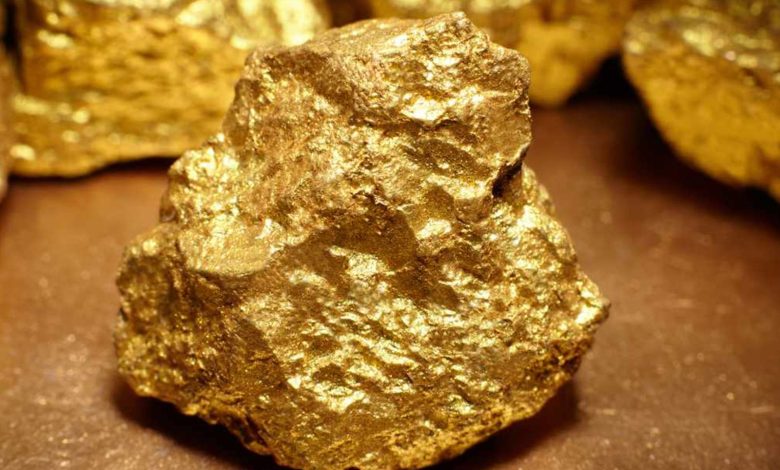
TANZANIA: MINERAL recovery value jumped nearly 45 per cent in the first quarter, driven by a surge in gold production that offset sharp declines across most other minerals and reinforced bullion’s dominance of the country’s mining industry.
The value of selected mineral recoveries rose to 1.61 billion US dollars in the quarter ending March this year from 1.11 billion US dollars a year earlier, according to the Bank of Tanzania’s Consolidated Zonal Economic Performance Report.
The 44.7 per cent increase was almost entirely underpinned by higher gold output, highlighting the precious metal’s growing importance to export earnings and foreign exchange inflows.
According to the report, gold recovery value climbed 61.3 per cent year-on-year to 1.44 billion US dollars, up from 891.3 million US dollars in the corresponding quarter last year.
The metal accounted for 89.2 per cent of the total value of selected mineral recoveries, underscoring the sector’s increasing reliance on bullion even as the government pushes to diversify mining activities.
The report shows gold alone contributed 109.6 percentage points to overall growth, more than compensating for contractions recorded in several other minerals.
The elevated international gold prices, together with stronger production from large-scale mines, have continued to support mining exports and strengthen the sector’s contribution to the broader economy.
Coal remained the country’s second-largest mineral by value, although recoveries declined 25.9 per cent to 83.5 million US dollars from 112.7 million US dollars a year earlier. Its share of total mineral recoveries fell to 5.2 per cent, reflecting weaker performance compared with gold.
Among industrial minerals, limestone recorded a 23 per cent increase to 21.7 million US dollars, while graphite rose 10.3 per cent to 12 million US dollars, supported by growing industrial demand.
Gypsum also posted solid growth, increasing 52.6 per cent to 5.8 million US dollars.
Nickel emerged as one of the fastest-growing minerals during the quarter, with recovery value rising to 5.3 million US dollars from just 400,000 US dollars a year earlier, pointing to expanding production in the subsector.
Performance across gemstones was considerably weaker.
Diamond recoveries declined 39 per cent to 9.6 million US dollars, while tanzanite slipped 38.7 per cent to 1 million US dollars.
The value of other gemstones plunged 70.8 per cent to 2 million US dollars, the sharpest decline among the minerals tracked in the report.
Industrial minerals fell 33 per cent to 6.3 million US dollars, while the value of building materials edged down 3.7 per cent to 16 million US dollars.
Recoveries classified as ‘others’ dropped 58.1 per cent to 11.8 million US dollars.
ALSO READ: Failing to understand gold means failing to understand money
Despite the widespread declines outside gold, the precious metal’s exceptional performance lifted the overall value of mineral recoveries to the highest level among the periods under review.
The figures illustrate how mining industry continues to be anchored by gold, whose contribution has become increasingly significant as global investors seek safe-haven assets and international prices remain elevated.
The latest data also underscore the challenge facing policymakers in broadening the country’s mineral base.
While Tanzania has stepped up investment in strategic minerals such as graphite and nickel to support the global energy transition, the sector’s performance remains overwhelmingly dependent on gold, leaving export earnings closely tied to developments in international bullion markets.




References:
Pelican Casino Einzahlung 80adnhhsfckl.рф
References:
Robocat Casino Einzahlung http://www.google.cl/
References:
Casino Bit Auszahlung https://www.hungaricana.hu
References:
Starda Casino Test ok.ru
References:
Frumzi Casino Bonus ohne Einzahlung http://www.bytecheck.com/results?resource=gratisafhalen.be/author/vyqroland3/
References:
Vegas Casino Online Bonus ohne Einzahlung https://www.workafrik.com/profile/lavondagascoig
References:
Admiral Casino Test https://www.madhurta.in/employer/instant-play-casino-2026-beste-online-casinos-ohne-download-mit-bonus/