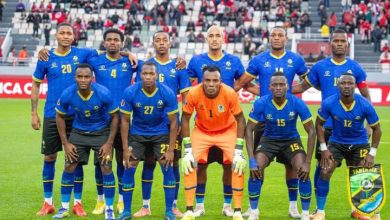
Young Twiga Stars silence African giants as youthful energy defeats Banyana Banyana experience
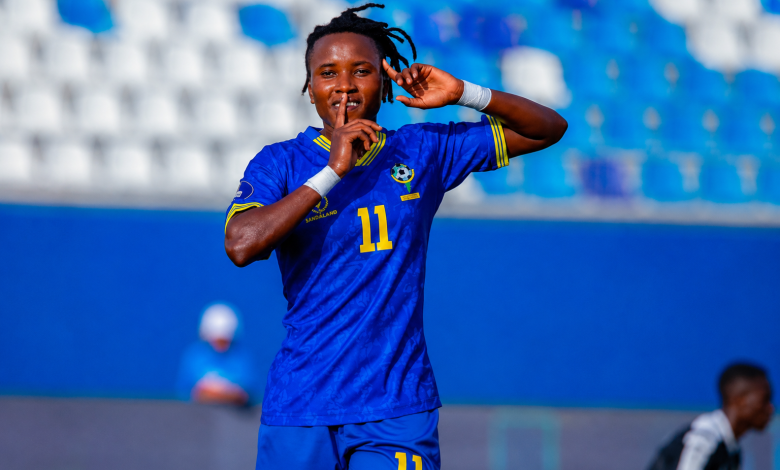
TANZANIA: THE opening Group B clash at WAFCON 2026 was a meeting between experience and emerging talent and it was Tanzania’s young Twiga Stars who wrote the headlines.
South Africa’s Banyana Banyana arrived as the 2022 champions, carrying the confidence of a team built through years of international competition.
Tanzania, by contrast, fielded one of the youngest squads at the tournament, with several players still making their mark on the international stage. But age and reputation counted for little in Casablanca.
Tanzania’s youthful side matched South Africa’s quality with organisation, determination and clinical finishing to secure a landmark 2-1 victory and announce themselves as serious contenders in Group B.
South Africa’s Banyana Banyana had the stronger squad profile in terms of international experience.
Their 26-player squad has an average age of around 26 years, with several players having played at previous World Cups and Africa Cup of Nations tournaments.
The likes of Thembi Kgatlana, Linda Motlhalo, Refiloe Jane, Bambanani Mbane and Lebohang Ramalepe represent a generation that has taken South African women’s football to a higher level over recent years.
Tanzania, by comparison, arrived with an average squad age of around 22 years.
Their group includes several teenage players, including goalkeeper Nusra Hamisi Jafari, midfielder Elizabeth Chenge and forward Bahati Kizanguzi.
The youthful nature of the squad reflects Tanzania’s focus on developing players for the future, although it also meant they entered the match with less experience at major international tournaments.
However, the difference in experience did not translate into dominance on the scoreboard.
Tanzania showed discipline, defensive organisation and efficiency in front of goal, while South Africa controlled much of the match but failed to convert their opportunities.
Banyana Banyana enjoyed 63 per cent possession, registered 24 shots compared with Tanzania’s 10 and created four clear chances.
Their expected goals figure of 2.65 was significantly higher than Tanzania’s 0.95, indicating that South Africa created enough opportunities to win the match.
However, football is decided by goals and Tanzania were more clinical when their chances arrived.
The Twiga Stars took the lead in the 37th minute through Diana Msewa, who finished calmly after breaking through the South African defence.
The goal exposed one of the risks of South Africa’s attacking approach, with their high defensive line leaving space for Tanzania to exploit during transitions.
South Africa responded before half-time when Bambanani Mbane reacted quickest after goalkeeper Najiati Idrisa had saved the initial effort.
The equaliser appeared to restore control for Banyana Banyana, who continued to dominate possession after the break.
But Tanzania remained a threat on the counter-attack. Substitute Hasnath Ubamba delivered the decisive moment in the 86th minute, turning away from her marker before firing a low shot past Andile Dlamini to secure all three points. The match also reflected the different strengths of the two squads.
South Africa’s squad is built around technical quality, experience and possession-based football, while Tanzania’s younger team relied on energy, defensive resilience and quick attacking transitions.
Goalkeeper Najiati Idrisa played a key role in keeping Tanzania in the match, producing important saves as South Africa searched for a second goal.
At the other end, Tanzania’s forwards made the most of their opportunities, scoring twice from limited chances.
The victory was particularly significant given the previous history between the two teams at the WAFCON finals.
Tanzania had never defeated South Africa in the competition, making the result a landmark moment for the Twiga Stars.
The club backgrounds of both squads also show different development paths.
South Africa’s team is heavily influenced by domestic champions Mamelodi Sundowns Ladies, who provide a large number of national team players.
Tanzania’s squad is similarly built around domestic clubs, with JKT Queens and Simba Queens among the biggest contributors.
Tanzania also has an increasing number of players gaining overseas experience, including Diana Msewa, Hasnath Ubamba, Opa Tukumbuke and others competing in leagues outside the country.
South Africa, meanwhile, has a smaller group of overseas-based players but benefits from a more established international core.
The opening Group B encounter showed that squad experience and possession do not always guarantee victory.
South Africa produced the better statistical performance, but Tanzania’s younger side showed greater efficiency at decisive moments.
For Banyana Banyana, the defeat raises questions about defensive concentration and finishing.
For the Twiga Stars, it provides confidence and a major boost as they continue their search for a place in the knockout stages of WAFCON 2026.
Twiga Stars head coach Bakari Shime praised his players for achieving a historic result but insisted that the team must quickly turn their attention to their next challenge against Burkina Faso.
“After today’s win, the match is behind us. Our priority now is Burkina Faso,” Shime said after the match.
“It’s a do-or-die game because we want to secure the points early, qualify for the quarterfinals and have enough time to recover before the knockout stage.”
Shime admitted that Tanzania did not fully execute their original plan during the match, particularly after taking the lead. “We didn’t play according to our original game plan.
We scored first, but we didn’t manage the game well after taking the lead, allowing South Africa to come back and equalise from a corner,” he said.
The coach explained that tactical adjustments at half-time helped Tanzania deal with South Africa’s attacking threat and improve their transition play.
“We corrected our mistakes at half-time, blocked the spaces they wanted to exploit and improved our transitions. In the end, we scored the winning goal and that gave us a very good result,” Shime added.
For South Africa coach Desiree Ellis, missed chances and defensive mistakes were the main reasons behind the defeat.
Ellis admitted that Banyana Banyana did not reach their expected level, particularly in the opening stages of the match.
“It was always going to be a difficult game, but I always said how important this opening match was going to be because if you lose you are then chasing in the group,” Ellis said.
“Our tempo was slow and we had limited options going forward. I thought the secondhalf performance was much better, but the way we conceded was poor. It was not a great performance and we know we are better than that.”
The defeat leaves South Africa needing strong results in their remaining Group B matches against Côte d’Ivoire and Burkina Faso to keep their quarter-final hopes alive.
ALSO READ: Twiga Stars seek flying start in their WAFCON opener against South Africa
Ellis remained confident that her team could recover, pointing to the chances created against Tanzania as a positive.
“We are now chasing in the group and it’s up to us to raise our standards and show who we really are,” she said.
“One positive we can take from this game against Tanzania is the amount of opportunities created. Defensively, there are some screws we can tighten and we’ll have to be at our best.”
For Tanzania, the victory represents another milestone in their steady progress. After losing all three matches on their WAFCON debut in 2010, including a 2-1 defeat against South Africa, the Twiga Stars returned to the tournament in 2024 and earned their first point with a draw against the same opponents.
Now, in their second consecutive WAFCON appearance, Tanzania have achieved their first win in the competition and announced themselves as a growing force in African women’s football.