

Debunking media freedom myths
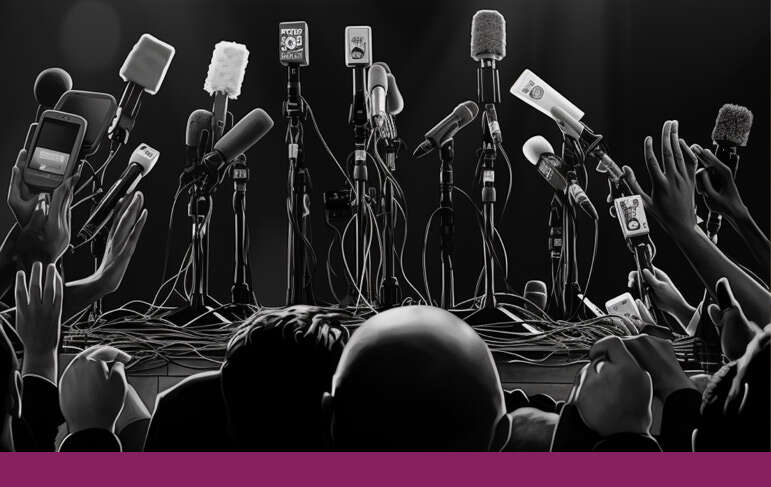
DAR ES SALAAM: MEDIA freedom remains one of the most important pillars of democratic society.
A free press informs citizens, holds leaders accountable and provides a platform for diverse voices.
It is therefore understandable that discussions about it often attract considerable public attention.
However, as debates on the subject continue around the world, there is a growing need to move beyond simplistic assumptions and embrace a more nuanced understanding of what media freedom actually means.
One of the most persistent misconceptions is the belief that some countries enjoy absolute media freedom while others do not. In reality, no country grants unrestricted freedom to its media.
There will always be certain legal, ethical and institutional boundaries on the flow of information. Laws governing defamation, national security, privacy, hate speech and public order exist in virtually every country.
News organisations themselves operate under editorial policies and professional codes that shape what can and cannot be published. Journalists, whether consciously or unconsciously, work within formal and informal systems of influence.
This reality does not diminish the importance of media freedom. Rather, it highlights the need to assess it with greater care and context. Too often, discussions about press freedom are reduced to international rankings or broad comparisons between countries.
While such assessments can provide useful indicators, they cannot always capture the unique political, economic and social circumstances in which media institutions operate.
A developing nation with different historical experiences, economic structures and governance challenges may not fit neatly into standards developed elsewhere.
This means that meaningful discussions must recognise context rather than rely solely on one-size-fits-all measurements. Equally important is the recognition that freedom carries responsibility.
ALSO READ: Tanzania tops Africa in perceived media freedom – Report
The digital age has expanded opportunities for expression in unprecedented ways. Social media platforms have democratised access to information and created new opportunities for public participation.
Yet they have also amplified misinformation, sensationalism and ethical lapses that would rarely pass through traditional newsroom safeguards.
As media landscapes continue to evolve, the conversation should therefore move beyond the false choice between freedom and control.
The real challenge lies in finding an appropriate balance between freedom, responsibility, professional ethics and legitimate public interests.
Media freedom is not a destination that some countries have reached while others remain behind.
It is an ongoing process of balancing competing values within changing societies.
Recognising that complexity does not weaken the cause of press freedom. On the contrary, it strengthens it by grounding the debate in reality rather than myth.


This web site is really a walk-through for all of the info you wanted about this and didn’t know who to ask. Glimpse here, and you’ll definitely discover it.
I am lucky that I detected this blog, exactly the right info that I was searching for! .
WONDERFUL Post.thanks for share..extra wait .. …
Hey there! I’m at work browsing your blog from my new iphone 4! Just wanted to say I love reading through your blog and look forward to all your posts! Keep up the fantastic work!
Hello! Do you know if they make any plugins to safeguard against hackers? I’m kinda paranoid about losing everything I’ve worked hard on. Any recommendations?
팔팔정의 성분과 효과, 50mg·100mg 차이, 복용 시간과 부작용을 확인하세요. 처방 및 가격 확인 방법, 함께 복용하면 안 되는 약, 자주 묻는 질문까지 안내합니다.
hi!,I like your writing so much! share we communicate more about your article on AOL? I need a specialist on this area to solve my problem. Maybe that’s you! Looking forward to see you.
Definitely, what a fantastic website and informative posts, I definitely will bookmark your blog.Have an awsome day!
I was recommended this website by my cousin. I am not sure whether this post is written by him as nobody else know such detailed about my difficulty. You are incredible! Thanks!
Woah! I’m really digging the template/theme of this site. It’s simple, yet effective. A lot of times it’s very hard to get that “perfect balance” between superb usability and appearance. I must say you’ve done a fantastic job with this. In addition, the blog loads extremely quick for me on Firefox. Outstanding Blog!
Howdy would you mind letting me know which web host you’re utilizing? I’ve loaded your blog in 3 different browsers and I must say this blog loads a lot faster then most. Can you recommend a good hosting provider at a reasonable price? Kudos, I appreciate it!
I think other web site proprietors should take this site as an model, very clean and excellent user friendly style and design, as well as the content. You’re an expert in this topic!