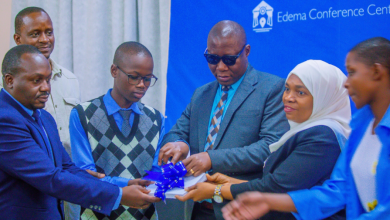
Tanzania concludes specialized training for the Disaster Medical Response team
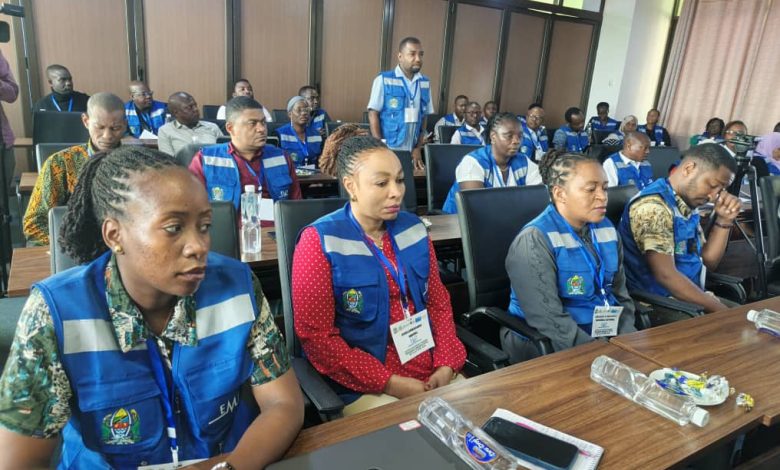
MOROGORO: THE Ministry of Health, in collaboration with the World Health Organization (WHO) and funded through the Pandemic Fund, has concluded a specialized training phase aimed at strengthening the capacity of the National Emergency and Disaster Medical Response Team. The initiative is designed to accelerate the health system’s preparedness in responding to sudden public health emergencies.
The training, conducted in Morogoro, covered the EMT 10 Steps framework and the Emergency Medical Team Coordination Cell (EMTCC), both of which are internationally recognized mechanisms used to coordinate rapid medical responses during outbreaks and large-scale disasters. Closing the training, the Director of Emergency and Disaster Services, Dr. Erasto Sylvanus, emphasized that the effectiveness of the system depends largely on professional discipline, adherence to standards, and the ability to coordinate resources in real time.
From a health systems governance perspective, the training reflects a strategic shift from a reactive “event response” model toward a more structured “system preparedness” approach. Dr. Sylvanus noted that trained professionals are expected to strengthen their home institutions by integrating national procedures with international guidelines in the planning, implementation, and management of emergency services. He further stressed that during emergencies, these professionals represent the country’s image, making accountability and professionalism central pillars of response operations.
On human resource management, he directed training coordinators to establish and continuously update a national database of emergency health professionals. This aligns with broader digital transformation trends in the health sector aimed at enabling rapid identification, mobilization, and deployment of experts during crises. In several countries, such systems have been associated with reductions of emergency response time by more than 30 percent during outbreaks.
ALSO READ: Building resilience: Tanzania steps up emergency preparedness through medical training
On international cooperation, WHO Tanzania representative Dr. Janeth Masuma noted that the program has also been supported by the US CDC, CIHEB Tanzania, and Médecins Sans Frontières (MSF). According to her, Tanzania is now the 27th country in Africa to establish a national Emergency Medical Team (EMT) system, placing it among nations with structured capacity to coordinate rapid outbreak response.
Dr. Masuma added that the system significantly enhances preparedness, particularly in the context of ongoing health threats in the East African region, including the risk of Ebola in neighboring countries. WHO EMT assessments indicate that countries with institutionalized emergency medical teams can reduce outbreak-related mortality by approximately 20 to 40 percent, depending on the speed and effectiveness of mobilization and coordination.
Training coordinator from the Ministry of Health, Dr. Erick Richard, explained that the program has been implemented in three phases since its launch in 2025 as part of a long-term capacity-building strategy. He further noted that the system is not limited to domestic use, as it aligns with international protocols that allow deployed teams to be mobilized for cross-border emergency response when required, consistent with global humanitarian coordination frameworks.
Overall, the initiative reflects a broader institutional transformation in Tanzania’s health risk management architecture. Through the integration of professional databases, international EMT standards, and multi-stakeholder collaboration, the country is strengthening its health security framework in line with 2026 global preparedness priorities, reducing reliance on delayed responses while improving autonomous emergency response capacity.