Zanzibar reports 7.6pc child labour rate as govt steps up crackdown

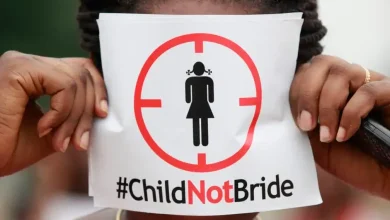
ZANZIBAR: ZANZIBAR has reported that 7.6 per cent of children aged between five and 17 are engaged in work, with most involved in child labour and hazardous activities, according to new data released during the commemoration of the World Day Against Child Labour on June 12.
Minister of Labour and Investment, Mr Shariff Ali Shariff, said the 2024 figures show that 7.5 per cent of children are engaged in child labour, while 7.4 per cent are exposed to hazardous work that threatens their health, safety and development.
He released the figures in a statement marking the international day, observed globally under the auspices of the International Labour Organization (ILO) since 2002 to raise awareness and promote action to eliminate child labour.
This year’s theme, “Red Card to Child Labour: Fair Play for Children, Decent Work for Adults,” calls for stronger protection of children from exploitation while ensuring adults have access to decent employment opportunities to support their families.
Mr Shariff said Zanzibar is intensifying efforts to combat child labour through policy reforms, public awareness campaigns and stronger enforcement measures.
He said the government has drafted a new National Action Plan to Combat Child Labour for 2026–2032, which is currently under stakeholder consultation.
The plan builds on the 2006–2015 framework, revised in collaboration with the ILO to introduce more sustainable interventions.
As part of ongoing measures, the ministry has established a dedicated hotline (0650 020296) for reporting child labour cases, which has so far received 15 complaints. Authorities have also taken enforcement action against seven individuals found employing children illegally.
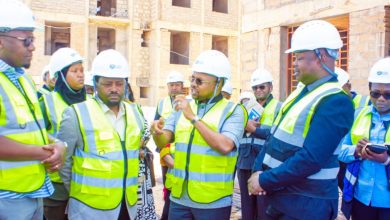
Two have paid fines, while five cases are still being processed. Mr Shariff said inspections have been conducted at 20 fish landing sites across Unguja and Pemba, including Malindi, Mazizini, Kizimkazi and Mkokotoni, to assess the prevalence of child labour in the fishing sector.
ALSO READ: Tanzania reaffirms child labour fight at UN Geneva meeting
In addition, public awareness campaigns have been strengthened through sensitisation meetings with local leaders and teachers, as well as 10 educational programmes aired on radio and television.
The government has also installed awareness billboards at key locations, including Darajani Market, Mwanakwerekwe and Malindi, with plans to extend the campaign to Pemba.
At the Malindi Port Child Labour Desk, officials recorded that 2,340 children were brought to Zanzibar between July 2025 and March 2026 under suspicious travel circumstances.
Of these, 1,467 were later identified as having travelled for work, raising concerns over child migration linked to labour exploitation.
Globally, Mr Shariff cited joint estimates by the ILO and UNICEF indicating that 138 million children were engaged in child labour in 2024, including 54 million in hazardous work.
He warned that employing children is a criminal offence under Zanzibar law and urged employers in sectors such as fishing, agriculture, seaweed farming, clove production and hospitality to comply with labour regulations or face penalties, including fines or imprisonment of not less than six months.
The minister also urged members of the public to report cases through local leaders, police stations or the national hotline.
Mr Shariff expressed appreciation to government institutions, civil society organisations and development partners for their support in addressing child labour.
He reiterated the government’s commitment to eliminating the practice, saying: “A Zanzibar free from child labour is possible.”