State deepens support for small miners
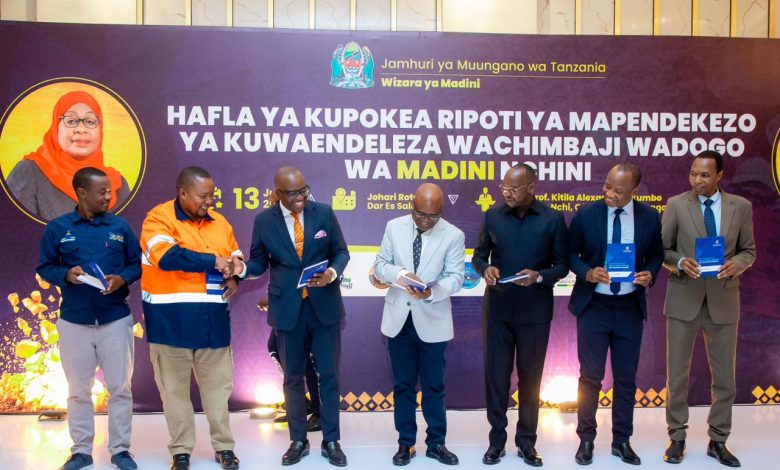
DAR ES SALAAM: THE government has announced a package of measures to boost small-scale mining, including a new loan guarantee scheme and increased investment in geological exploration, as part of efforts to create jobs and reduce poverty.
Speaking in Dar es Salaam while receiving a report on the development of small-scale mining, the Minister for State in the President’s Office for Planning and Investment, Professor Kitila Mkumbo, said the government has prioritised geological exploration as a key pillar in strengthening the mining sector.
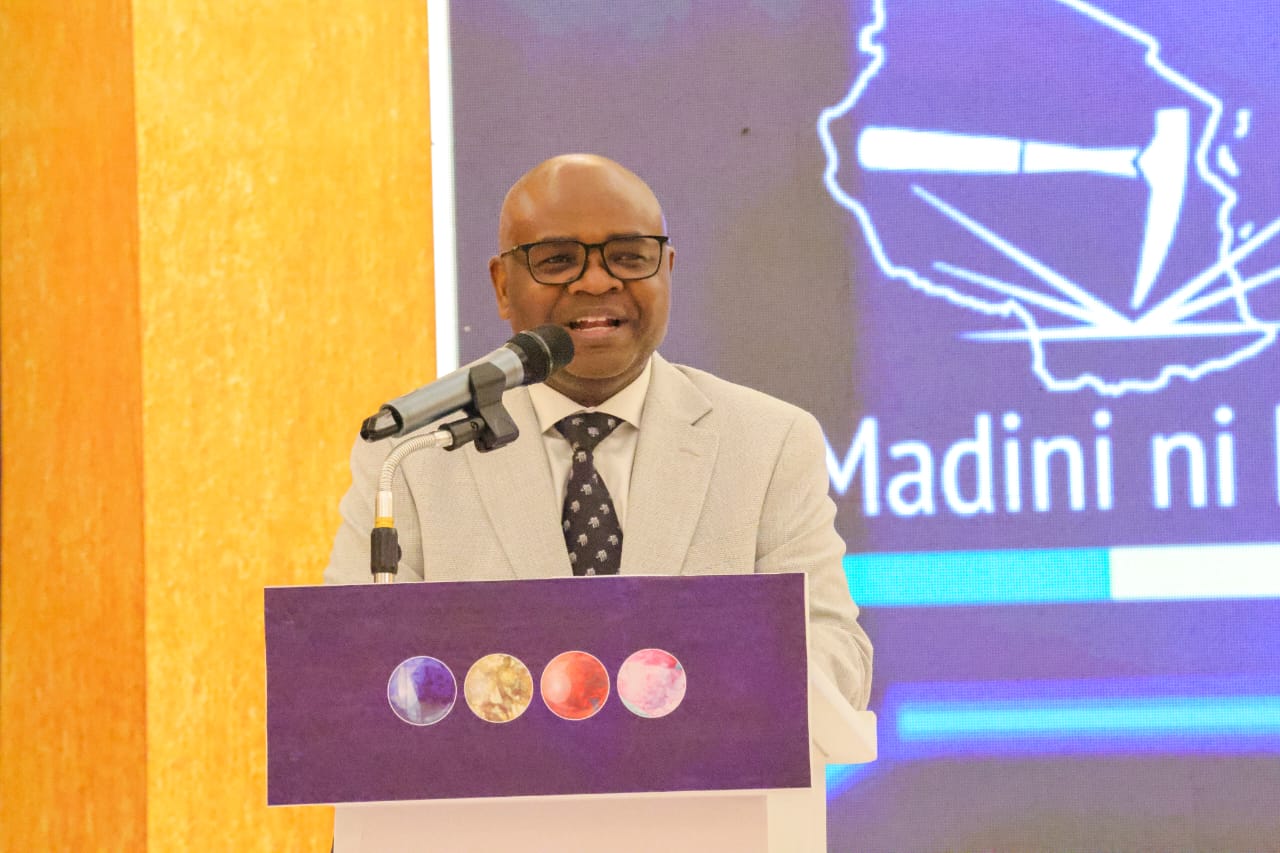
He said ten per cent of this year’s mining sector revenue has been allocated to exploration and research activities aimed at improving access to reliable geological information and supporting evidence-based investment decisions.
Prof Mkumbo said the initiative is expected to help unlock the sector’s potential by providing miners and investors with better information on mineral deposits and commercial opportunities.
Meanwhile, the Minister for Minerals, Anthony Mavunde, said the government has introduced a loan guarantee scheme to improve access to finance for small-scale miners, many of whom have struggled to secure bank loans due to inadequate collateral.
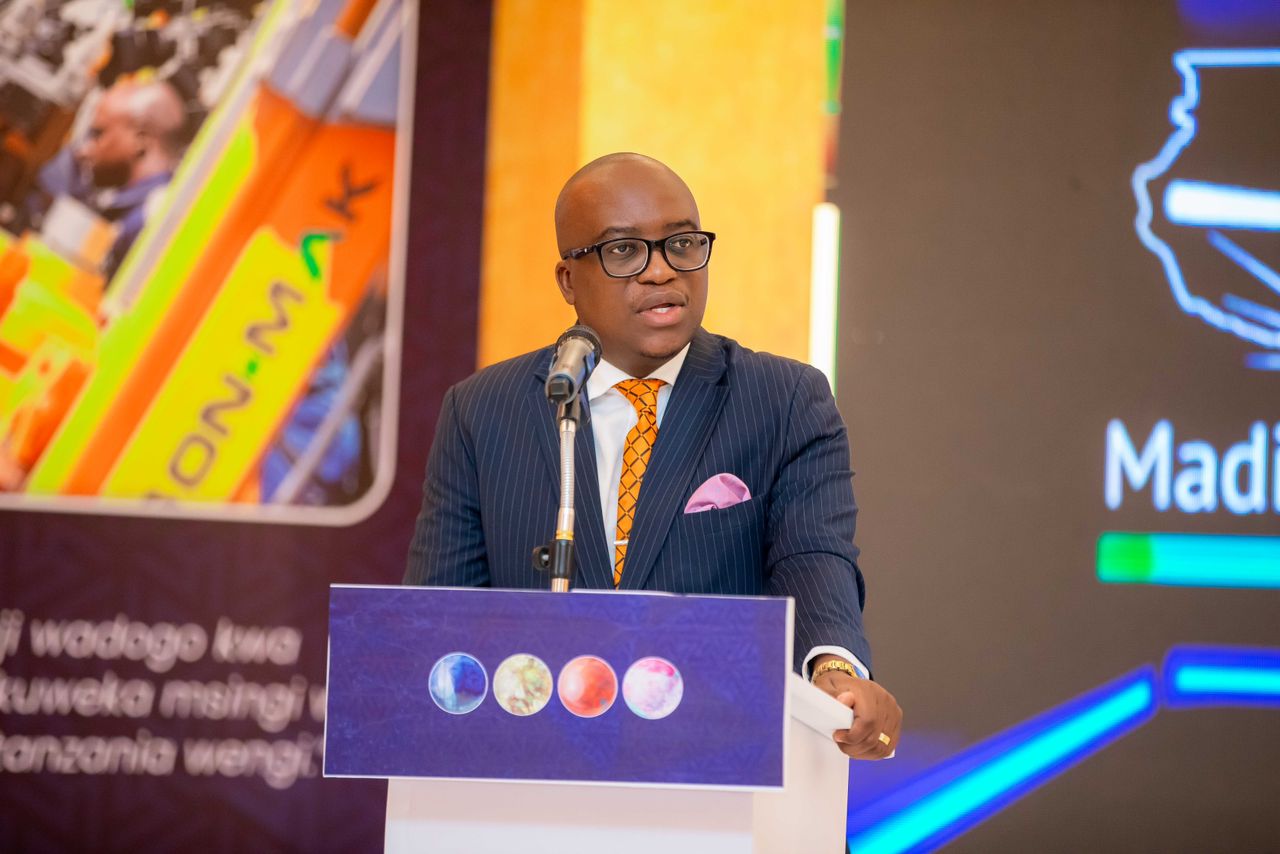
To address the challenge, the government has established the Credit Guarantee Corporation, which is expected to begin operations in July this year.
Under the arrangement, the government will guarantee up to 50 per cent of loans for eligible miners, enabling them to access financing for equipment purchases, production expansion and technology upgrades.
Mr Mavunde said the scheme would help improve productivity, increase mineral output and reduce dependence on external financiers.
“This is a major step towards enabling Tanzanians to participate fully in the mining sector and benefit directly from the country’s mineral resources,” he said.
Additional proposals aimed at strengthening the sector were presented by the Committee on the Development of Small-Scale Mining.
Presenting the committee’s report, Chairperson Victor Tesha proposed the establishment of the Tanzania Mining Development Fund (TMDF) with an initial capital base of 100 million US dollars to support access to finance, technology and geological information.
The committee also recommended specialised financing products, including equipment loans, machinery leasing arrangements and funding for mineral value-addition activities.
Other recommendations include strengthening miner registration systems, increasing investment in geological surveys and expanding mineral service centres to improve access to technical support across the country.
The report further proposed the establishment of a dedicated Miners’ Bank once the fund matures, with the aim of improving access to financial services and supporting long-term sector growth.
According to the committee, small-scale miners contribute about 40 per cent of the mining sector’s revenue, although many continue to face challenges such as limited financing, inadequate geological data and outdated mining technologies.
The report also found that more than 72 per cent of smallscale miners still rely on traditional mining and mineral processing methods.
Prof Mkumbo said the government views small-scale mining as a strategic sector for broadening economic participation and ensuring that growth translates into employment creation and improved livelihoods.
ALSO READ: Mining powers past Vision 2025 goal, revenue tops 1tri/-
He noted that while largescale mining companies contribute significantly to economic growth and export earnings, small-scale mining creates opportunities for more Tanzanians to participate directly in wealth creation and national development.
The Minister added that mining has been identified among the nine transformative sectors expected to drive Tanzania’s economy towards 2050 through increased exports, investment and industrial growth.